Robbennolt to present at Annual Dispute Resolution Symposium

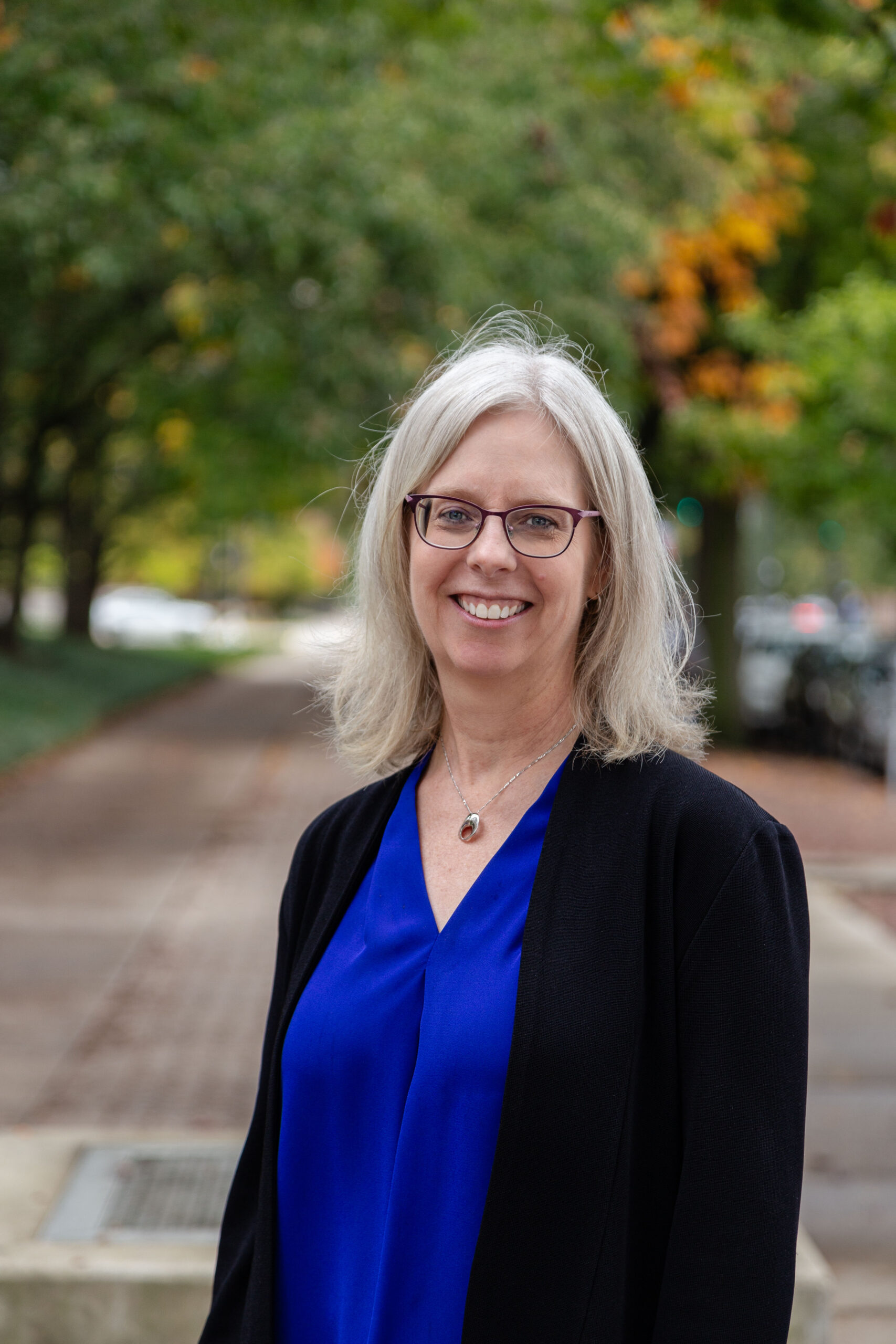
Professor Jennifer Robbennolt will speak at the Texas A&M Annual Dispute Resolution Symposium in March. The symposium will explore the roles pudges play in court-connected “alternative” dispute resolution, including referring or ordering cases to these processes and enforcing negotiated/mediated settlement agreements and arbitration awards and overseeing the incorporation and quality of dispute resolution in the courts. The symposium will feature several prominent judges and other law professors.

Symposium papers from “The Future of History and Tradition” available

In early 2024, the Program in Constitutional Theory, History and Law co-sponsored with the Harvard Law School and the University of Richmond School of Law a symposium on “The Future of History and Tradition.” The symposium, held at Harvard, brought together leading scholars to discuss the Supreme Court’s recent renewed interest in history and tradition as a tool for interpreting and applying the Constitution and the attendant puzzles and challenges that lie ahead. Essays from the symposium have now been published in the Harvard Journal of Law and Public Policy .

View the full issue of symposium papers online.

Watson reviews Law Is a Moral Practice

The argument that law is a moral practice is, appropriately, the topic of the book Law Is a Moral Practice, and Professor Bill Watson examines that premise in his new review article. Published in the Washington University Jurisprudence Review, the article, titled “In What Sense Is Law a Moral Practice?,” concludes the argument is unsuccessful but a topic worthy of consideration.

Read the full article from SSRN.

Mazzone speaks with Wall Street Journal about state “divorce”

“New Illinois” comprising all counties but Cook may have passed nonbinding votes in 33 of Illinois’s counties, but it is still far from becoming reality according to Professor Jason Mazzone. In an article examining the phenomenon of red counties seeking to divorce from their blue states, the Wall Street Journal shares data and anecdotes driving the movement and quotes Mazzone. ““It seems far-fetched. But we live in uncertain times. So if you’ve got the right people in Congress—and I don’t think we do have the right people in Congress—you could do it,” he said.

Read the full article.

SPOTLITE data used in report on police-involved killings

Data from the SPOTLITE project, of which Professor Jennifer Robbennolt is a co-principal investigator, was featured in an in-depth report about efforts to create more transparency in Illinois around police-involved killings. Illinois law requires departments to release a report on police-involved killings if no charges are filed, but the patchwork system of reporting leaves many gaps in the record. Illinois Public Media’s reporting helps fill in gaps thanks to data collected by Robbennolt and her fellow researchers.

Read the full report.

Amar and Mazzone publish article on rule of law in Pennsylvania

Are state executive officials in Pennsylvania are allowed, under the state constitution, to decline to enforce a statutory provision if the executive officials conclude that the provision violates the state’s highest law, the state constitution? That’s the primary concern of a new article by Professors Vikram Amar and Jason Mazzone. Writing at Justia Verdict, the pair investigate how the rule of law and precedent should apply to this case and how local officials and justices have failed in equal measure.

Read the full editorial online.

CBS quotes Lawless on when to file bankruptcy

When struggling with debt, many people delay filing for bankruptcy as long as possible; however, delaying may be more harmful than many realize. “People misunderstand bankruptcy and wait too long to see a bankruptcy lawyer. Most people would benefit by going earlier,” Professor Robert Lawless told CBS in a new article about the timing of personal bankruptcy filings. Lawless also shares tips for those who may need to file and his opinion on how the system could be improved.

Read more from CBS News.

Sherkow talks about Myriad’s importance a decade later

Association for Molecular Pathology v. Myriad Genetics, Inc. was a cultural phenomenon when the Supreme Court’s ruling was issued, with the outcome taking a place on the front-page of most major newspapers in the United States. Reflecting more than 10 years on from the decision, however, Professor Jacob Sherkow tells the Carl R. Woese Institute for Genomic Biology that the Myriad decision ended up having little impact on biotechnology research. 

Read more of Sherkow’s comments in the full article.

Mazzone pens op-ed on presidential election effects on SCOTUS

“In any presidential election, the Supreme Court is on the ballot,” Professor Jason Mazzone writes in the News-Gazette. He details some of the ways in which the election of Donald Trump to a second term might affect the makeup of the Supreme Court. “The first Trump presidency generated a long list of novel legal issues, many of which reached the Supreme Court. Trump’s current bold agenda and the opposition it will produce will mean many more lawsuits in the next four years,” he concludes.

Read his full editorial online.

Nature quotes Sherkow on researcher who treated her own cancer

Self-treatment is a risky and controversial choice, as detailed in a new Nature article about a cancer researcher who decided to do research and treat her own breast cancer. In the article, Professor Jacob Sherkow is quoted about the dangers of publishing this kind of work; his comments are also included in a story for Futurism.

Read both the Nature article and the Futurism article online.

College of Law
504 East Pennsylvania Avenue
Champaign, IL 61820
(217) 333-0931