Kaplan publishes article on gender discrimination in retirement plans

The requirement that individuals withdraw required minimum distribution amounts, as specified in the SECURE 2.0 Act, requires women to withdraw more than their
gender-specific life expectancy would otherwise require. This is the conclusion of Professor Richard Kaplan in a new article published in the Pittsburgh Tax Review. The paper was originally presented at an ABA-sponsored conference on revealing and addressing hidden gender bias in tax law and policy.

Kaplan says Trump’s recent remarks about pulling back on federal funding of Medicare are result of “fundamental misunderstanding” of how the program works

According to the New York Sun, President Trump suggested during remarks at a private luncheon that the federal government may no longer support essential care programs and that states should instead rely on state-level funding to do so.

Professor and tax law expert Richard Kaplan says that the president’s remarks about Medicare, in particular, rest on a fundamental misunderstanding of how the program is financed.

“Medicare is almost entirely funded by the federal government through payroll taxes paid by almost all employees, the great majority of self-employed persons, and most employers; premiums paid by program enrollees; and general federal funds,” Kaplan said. “States have no role of any consequence.”

New paper from Kaplan examines SECURE 2.0

The SECURE 2.0 Act of 2022 included six major changes pertaining to current plan participants in retirement plans. In a new article published in The Elder Law Journal, Professor Richard Kaplan examines and analyzes each of those changes and how they address some of the deficiencies in the present tax-subsidized matrix of employer-provided retirement savings plans.

Kaplan presents research at Harvard Law and University of Cambridge

Professor Richard Kaplan presented Modernizing Medicare for Extended Healthspans at the Conference on Law, Healthcare, and the Aging Brain and Body, Harvard Law School’s Petrie-Flom Center on June 9, 2025. This paper considered how the Medicare program is likely to be affected by the latest developments in medical science pertaining to the aging brain and body. It then used these developments to consider what Medicare should look like if it were designed from scratch today.

Kaplan is also scheduled to present The Fundamental Fragility of Tax Reform: Lessons for Legislators After Forty Years at the Conference on Legal Perspectives on the Development and Enactment of Tax Policy, University of Cambridge (U.K.) Centre for Tax Law, on July 8, 2025. This paper examines the development of major tax reform in the United States by focusing on the monumental Tax Reform Act of 1986, addressing the economic, legal, and political forces that led to its enactment. It then analyzes what has happened to that law’s achievements since that time.
Kaplan recognized with Lifetime Achievement Award

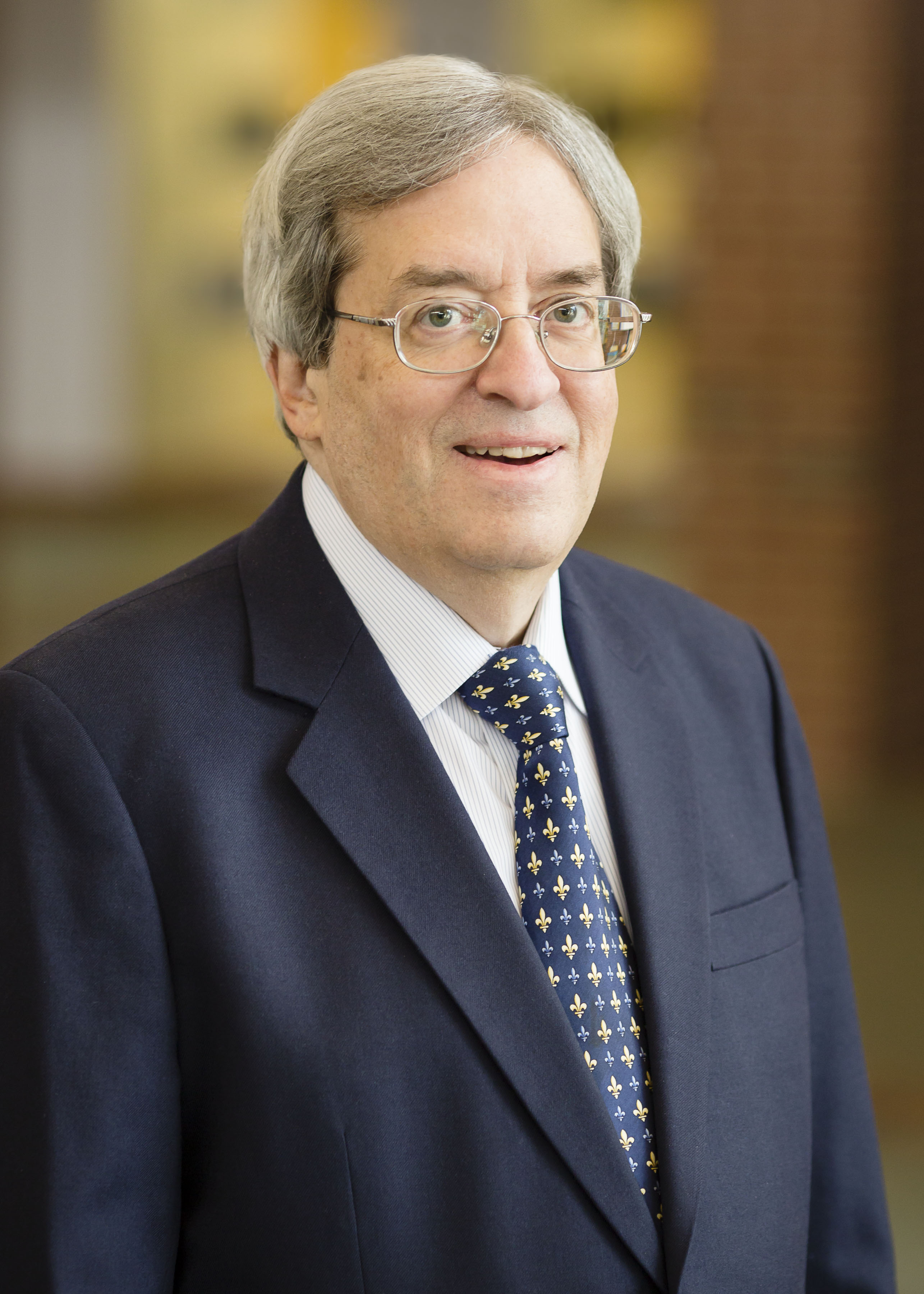
Professor Richard Kaplan is the recipient of the 2025 AALS Aging and Law Section’s Lifetime Achievement Award. The award honors his distinguished career of teaching, service, and scholarship in aging and the law. A letter from the AALS Aging and Law Section explained his selection, noting “dedicated service to the profession, to your students, to colleagues in mentorship, and to advancing scholarship in the field with your valuable contributions.”

Professor Kaplan has been teaching since 1979, has seven published books, and over 80 publications. He also has dedicated his career to enabling others to succeed. Under his leadership, the Elder Law Journal has created a forum for scholars from around the world to publish quality articles related to elder law, while simultaneously encouraging new generations of lawyers and law students to pursue work in this area.

Kaplan will be recognized at the Section on Scholarship’s Award Ceremony on Friday, January 10, 2025. 

Kaplan presents at the American Tax Policy Institute Symposium

Professor Richard Kaplan presented “Gender Discrimination in Retirement Plan Distributions” at the American Tax Policy Institute Symposium, It’s a Man’s World: Revealing and Addressing Hidden Gender Bias in Tax Law and Policy, in Washington, D.C. His paper will appear next year in an issue of the Pittsburgh Tax Review devoted to the Symposium’s presentations.

The Street features Kaplan on changes to retirement planning

In a video interview, Professor Richard Kaplan spoke to The Street’s Retirement Daily about the six major changes enacted by the SECURE 2.0 Act of 2022. The changes, he explained, represent Congressional efforts to address deficiencies in employer-provided retirement savings plans and continue a pattern of pension plans accommodating an array of social initiatives that are not always related to providing income in retirement.

Elder Law Journal publishes new article from Kaplan

Professor Richard Kaplan has a new article in the Elder Law Journal, titled “Analyzing the New Planning Opportunities in SECURE 2.0 for Retirement Plan Participants.” The article examines six major changes enacted by the SECURE 2.0 Act of 2022 pertaining to current plan participants in retirement plans. Kaplan notes that the changes continue the pattern of using pension plans to accommodate social initiatives that are sometimes barely related to providing income when plan participants retire.

Kaplan files amicus brief in Fifth Circuit retirement investing case

Professor Richard Kaplan was one of six law professors who filed an amicus curiae brief in the U.S. Court of Appeals, Fifth Circuit case State of Utah et al. v. Julie Su et al. The brief was filed in support of a Biden administration rule allowing retirement advisers to consider environmental, social and governance issues when making decisions for clients, with the professors arguing the move aligns with fiduciary duties to minimize risks and maximize returns for clients. The brief also urged the appeals court to reject a Utah-fronted challenge that argues the rule is inconsistent with the Employee Retirement Income Security Act and investment professionals’ obligations.

Read coverage of the case from Law360 and Bloomberg.

College of Law
504 East Pennsylvania Avenue
Champaign, IL 61820
(217) 333-0931