College of Law welcomes new staff in student support roles

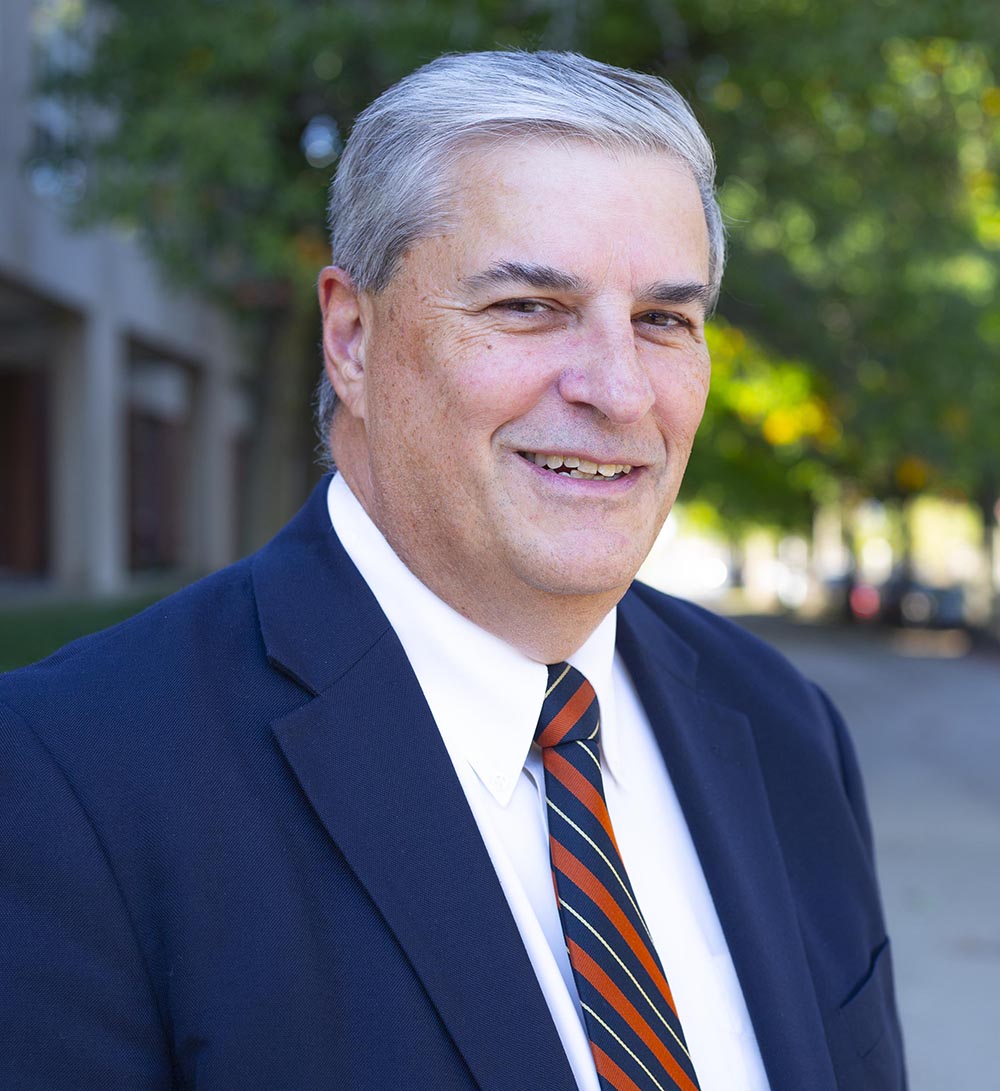
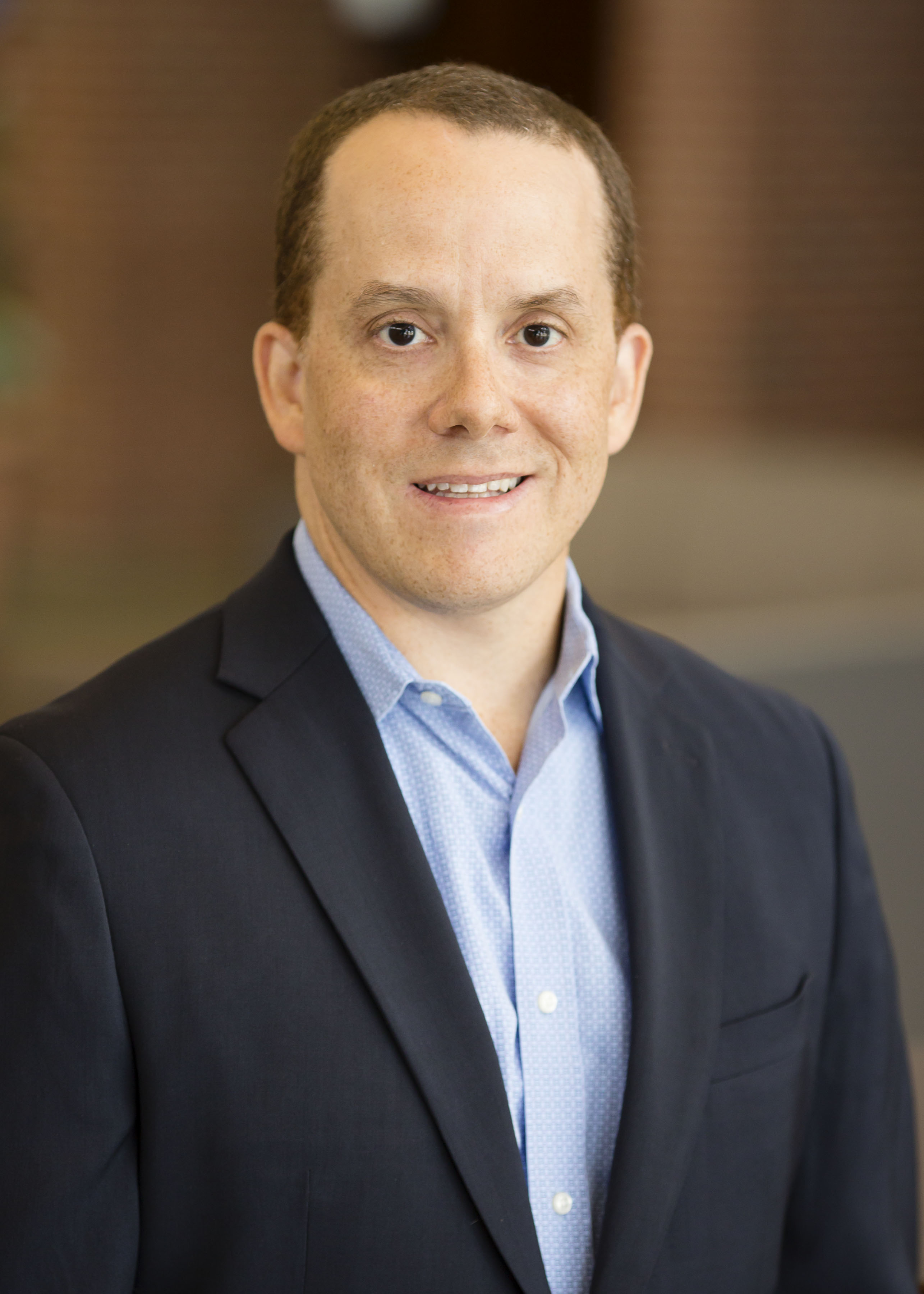
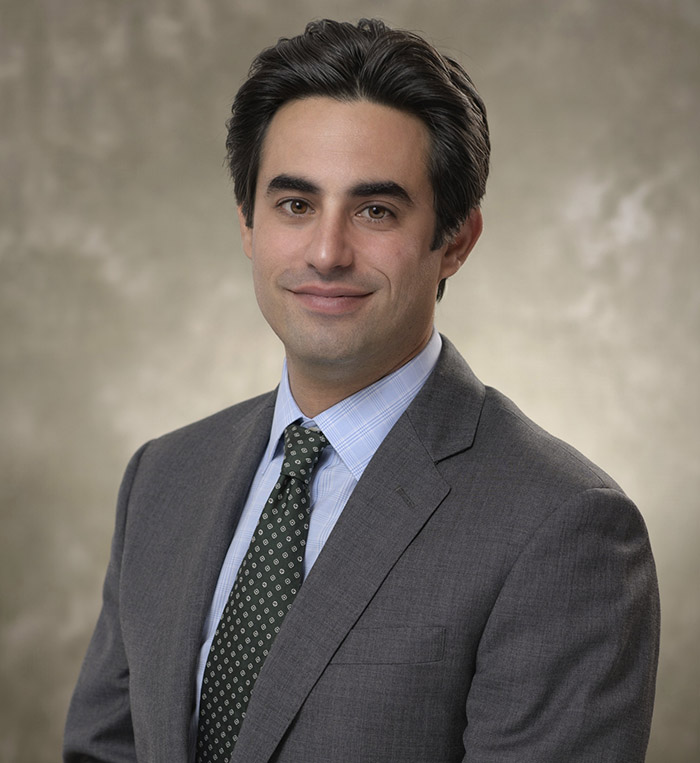
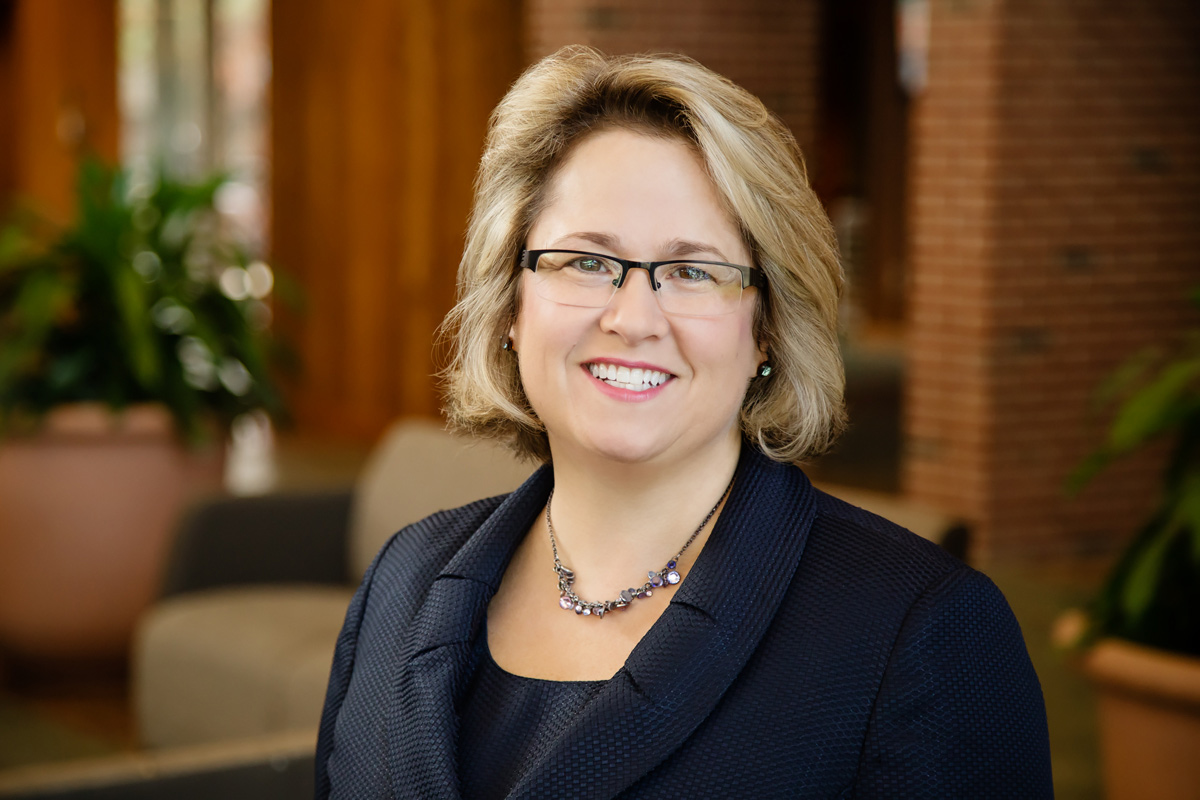
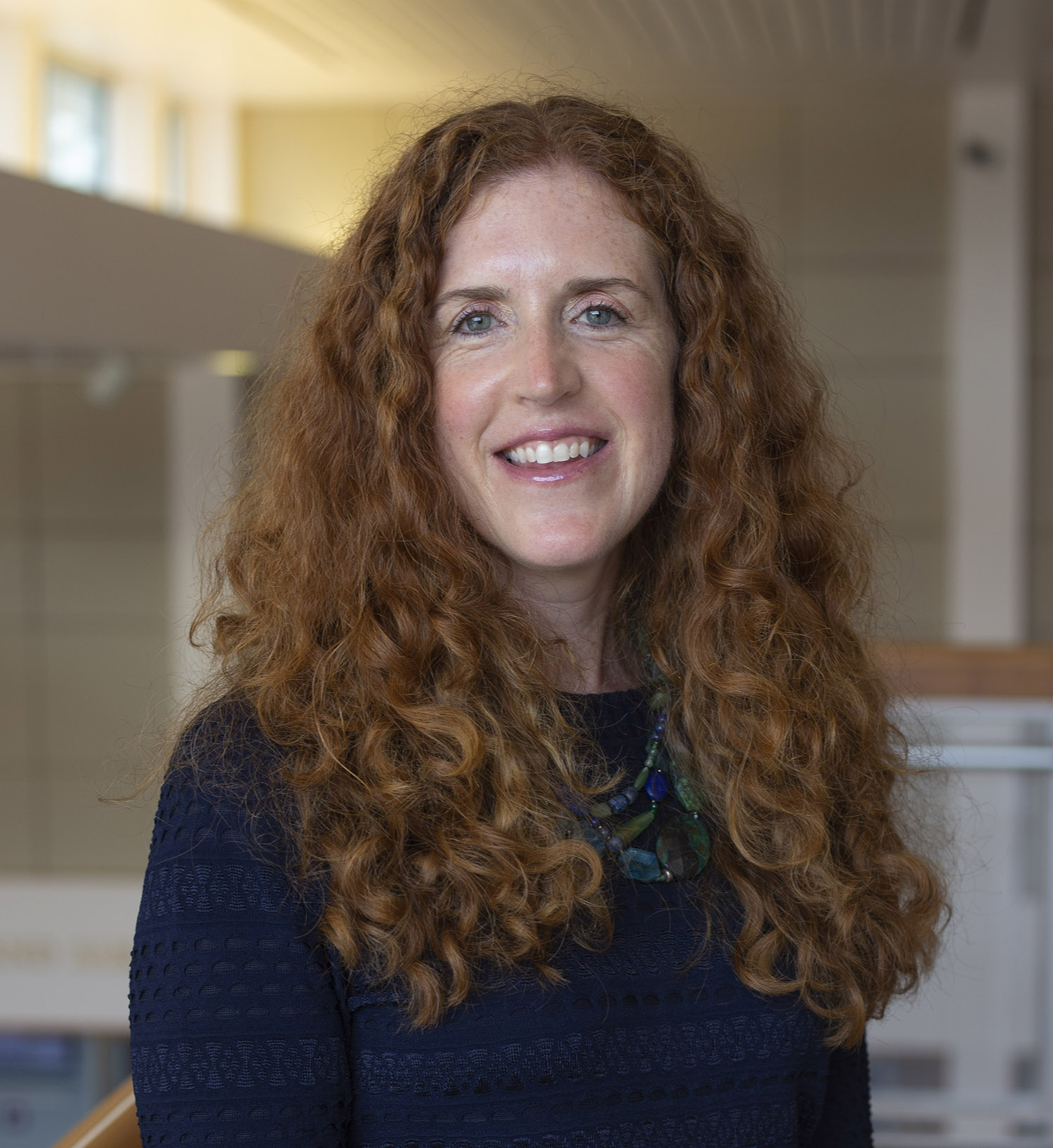
The College of Law is pleased to announce a significant expansion in our Student Services team, with the addition of two new staff members and a new role for Jolynn Caroline, a dedicated member of the Career Planning and Professional Development team. 

An 18-year veteran of the College staff and a graduate of the school herself, Jolynn has spent the last several months gathering views on diversity, equity, and inclusion from our students, faculty, and alumni. After reflecting on a summary of these conversations, Dean Sharpe concluded that the College would benefit from her continued leadership in this critical area. Jolynn will serve as the College’s Senior Director for Inclusive Excellence, Career Planning and Professional Development. In this new role, she will split her time between Career Services and helping Dean Sharpe to foster inclusion and belonging at the College.

Michael Loch joins the College as our first Director of Academic Success and Bar Support, as well as a Lecturer in Law. He joins us from the University of Oregon School of Law, where he served as the director of academic success and taught several classes on bar preparation and fundamental law school skills. In his role at Illinois, Michael will work directly with students, starting in their 1L year, to build academic and analytical skills that will set them on the path toward success during law school, on the bar exam, and ultimately, in their careers. 

Maggie Verklan, in partnership with the campus Counseling Center, joins the College as our new (and first) embedded counselor. Assigned exclusively to the law school, Maggie will support our students’ mental health and well-being through individual counseling and programming. 

Dean Jamelle Sharpe is eager to collaborate with the new staff members on a variety of initiatives.

“Since the beginning of my deanship, I have been vocal about my commitment to inclusion, belonging, and student health and well-being. I am confident that the addition of our newest team members will enhance our ability to support the diverse needs of our students and advance us in our goal of fostering a community where everyone can thrive,” he said.

First Amendment Clinic students present argument before the Sixth Circuit

Tuesday, June 11, was about as perfect a day as you could ask for in Cincinnati, Ohio. There was barely a cloud in the sky and the mercury never surpassed 77 degrees. As First Amendment Clinic Director Lena Shapiro and clinicians Lilian Alexandrova ‘24 and Jonathan Resnick ‘24 approached the steps of the U.S. Court of Appeals for the Sixth Circuit, however, Resnick’s brow might have been a bit dewy.

“The night before and the morning of, I was incredibly stressed and nervous, like nothing I’ve ever felt in my life,” Resnick said with a laugh.

His nerves were understandable, of course, as he stood before the last appellate court before the Supreme Court, ready to take part in the first arguments presented by any First Amendment Clinic students.

He, Alexandrova, and Shapiro were appearing on behalf of a group of Libertarians whose members fell out of favor with the national party and were banned from using the national organization’s name and logo. The group had been restricted via an injunction from U.S. District Judge Judith E. Levy in August. It was at this point the Clinic got involved, helping appeal the decision to the Sixth Circuit in the case of Libertarian National Committee v. Saliba.

Alexandrova and Resnick were paired together for this case in fall 2023 and dove headlong into the work, finding inspiration in other classes and drawing upon their whole experience at the College of Law to create a strong argument for their clients. Close to the deadline for the brief, the clinicians, along with Shapiro and co-counsel, C. Nicholas Curcio of the Curcio Law Firm, went through an estimated eight or nine revisions over the course of several weeks, sacrificing free time and working late. The experience was nearly overwhelming, but the pair agreed it was among the most consequential aspects of their legal education.

“I honestly think it’s the most valuable thing I did in law school,” Alexandrova said.

“I think this type of experience is almost necessary,” Resnick agreed.

Brief writing was just a part of the experience, however, and the immensity of it did not scare the students away from signing up for another semester. To prepare for oral arguments in spring, College of Law professors put Alexandrova and Resnick through a litany of moot court sessions. With help from fellow students Christian Hallerud ’24 and Diana Sweeney ’24, the duo created arguments to present before the likes of Rummana Alam, Vikram Amar, Sean Anderson, Jim Fessler, Eric Johnson, Andrew Leipold, and Jason Mazzone. Despite the challenge—particularly from Amar and Mazzone, Resnick noted—the young attorneys felt much better prepared as a result.

“They were pretty intense. They didn’t hold back. They would interrupt you nonstop,” Alexandrova recounted. “I think that helped make me a better advocate for sure. I learned how to think on my feet a lot more than I ever have before. I personally, I have six years of mock trial experience, so I’m used to responding to evidentiary objections on the spot, but when it’s about the law and your entire argument, I think that’s a little bit harder.”

Although the anxiety was real as they entered the courtroom in June, their preparation and the presence of Shapiro at their side helped to settle their nerves. As the last case on the day’s schedule, the experience of watching other arguments—including arguments from University of Michigan law students—calmed them further.

When Libertarian National Committee v. Saliba was brought before the judges, Alexandrova delivered the argument while Resnick and Shapiro took notes and helped organize their rebuttal, which Resnick delivered. Their line of reasoning, that the case is fundamentally about the right to dissent and how not overturning or vacating the preliminary injunction would have a chilling effect on free speech, drew kind words from the judges hearing the case.

Shapiro had nothing but praise for her students as well.

“I’m extraordinarily proud,” she said. “They were very diligent. They took this very seriously, and they gave up time during their bar prep study in the summer to do this…. They worked great as a team. It was a pleasure to have them both semesters and into the summer. I would just really commend their hard work and their persistence to get better and advocate on behalf of our clients.”

Though they must wait on a decision, the experience itself has been something both clinicians reflected fondly upon as they studied for the bar and prepared for careers in litigation.

“When we were in the Sixth Circuit in Ohio, I felt like there was a reason we were doing this kind of work,” Alexandrova said. “And when you really think about it, if the Clinic didn’t take the case, I think effectively our clients would have been silenced. So, on a big-picture level, I think what we did was important.”

Jonathan Resnick, Director Lena Shapiro, and Lilian Alexandrova in front of the Sixth Circuit Courthouse in Cincinnati, Ohio.

Jonathan Resnick, Director Lena Shapiro, and Lilian Alexandrova in front of the Sixth Circuit Courthouse in Cincinnati, Ohio.

Delete

Edit embedded media in the Files Tab and re-insert as needed.

Sherkow publishes chapter in COVID-19 and the Law

Professor Jacob Sherkow is one of the authors of a chapter in the new book “COVID-19 and the Law,” published by Cambridge University Press. The chapter examines the ways in which aspects of health law such as food and drug regulation, healthcare reimbursement, and direct research and development subsidies encouraged and impeded new technologies in the fight against COVID-19. The authors sought to provide insight to highlight important lessons for policymakers in order to better prepare for the next pandemic.

Curtis and student clinician speak with WEFT about the Veterans Legal Clinc

Veterans Legal Clinic Director Yulanda Curtis and Briley McVey ’24 joined the WEFT program “Catch the Beat from Market Street” to discuss the different services provided by the clinic and share experiences working with veterans and their families. Their half-hour interview spans a number of topics and provides great insight into why the work of the Veterans Legal Clinic is so important.

Politico quotes Sherkow on CRISPR case

The dispute over who invented CRISPR-Cas9 gene editing is headed to federal appellate court, and Politico turned to Professor Jacob Sherkow to help sort out the details. He expects the case will return to patent court and may result in changes to the licensing fees collected. “Absolutely none of this under any reasonable interpretation is going to change what the retail sticker cost of these drug therapies are going to be — not by a dollar, not by a cent,” Sherkow added.

Wexler discusses Israel-Hamas war on the 21st Show

“Some people see this as an armed conflict only and some people see this as a genocide,” Professor Lesley Wexler said on The 21st Show, discussing the Israel-Hamas war. In her wide-ranging interview, she discussed the conflict, the international law issues around the conflict, and how it is being interpreted by various groups in the US and abroad.

Shapiro speaks to CNN about campus protests

Speaking to CNN after pro-Palestinian demonstrators were removed from the campuses of Columbia and Brown, Lena Shapiro, director of the First Amendment Clinic, emphasized the importance of safety during campus demonstrations. She explained colleges should ensure all students have a space to protest while imposing reasonable restrictions on the time, place, and manner of protests to maintain order. Additionally, Shapiro highlighted the need for open communication between schools and protesters to find common ground and avoid conflicts.

Regulatory Review analyzes recent article from Rowell

Americans spend nearly 90% of their time indoors, yet current environmental laws do not regulate indoor air quality. The Regulatory Review recently analyzed a recent article from Professor Arden Rowell in which she argues that effective environmental policies should include indoor environments, as existing regulations like the Clean Air Act only cover outdoor air, creating a patchwork of inadequate protections. She advocates for comprehensive federal regulations to address indoor air quality, emphasizing that such measures are essential for safeguarding human health as outdoor environments become more hazardous.

Mazzone discusses campus speech on WGN Radio

In an extensive interview on the WGN Radio program “Let’s Get Legal,” Professor Jason Mazzone answered a number of questions about free speech on campus and how universities can regulate conduct on their grounds. In the wake of protests at colleges and universities across the country, he addressed the legal issues that protect speech and protect the ability to say when and where that speech is protected. “Universities are not just…a place where anyone can show up and speak,” he told host Jon Hansen. 

Amar and Mazzone explore free speech in high schools in new series

After a North Carolina high school student was suspended for using the term “illegal alien” in an assignment, Professors Vikram Amar and Jason Mazzone look closely at the First Amendment issues arising from the situation. In a two-part series on Justia Verdict, the authors break down the case as if it were being presented before a class of law students, examining what the law says and what precedent exists. Their analysis winds through “how complicated, murky (and unresolved) much of the doctrinal landscape in this realm is,” and how cases like this pose important questions about free speech.

Read part 1 and part 2 on Justia Verdict.

College of Law
504 East Pennsylvania Avenue
Champaign, IL 61820
(217) 333-0931