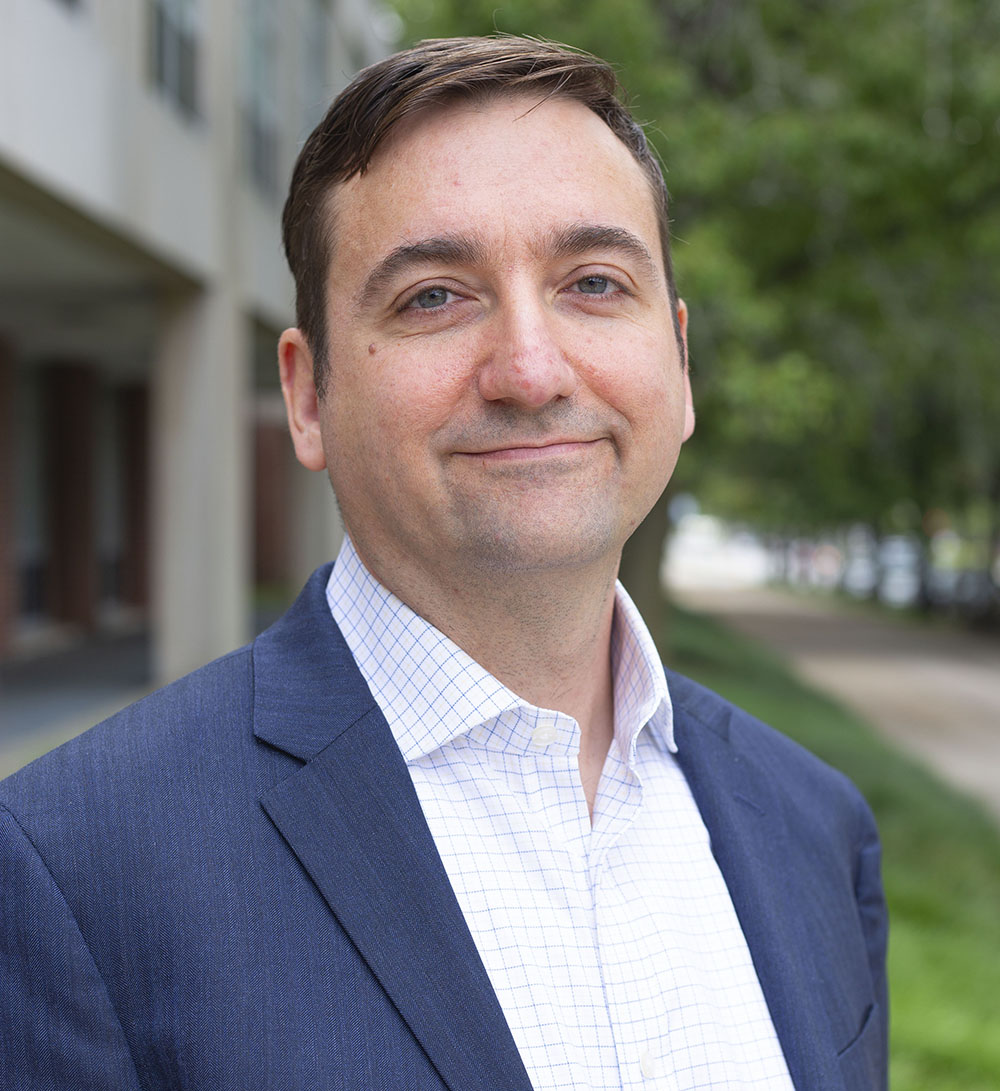
Real Clear History quotes Keenan on starvation as a war crime

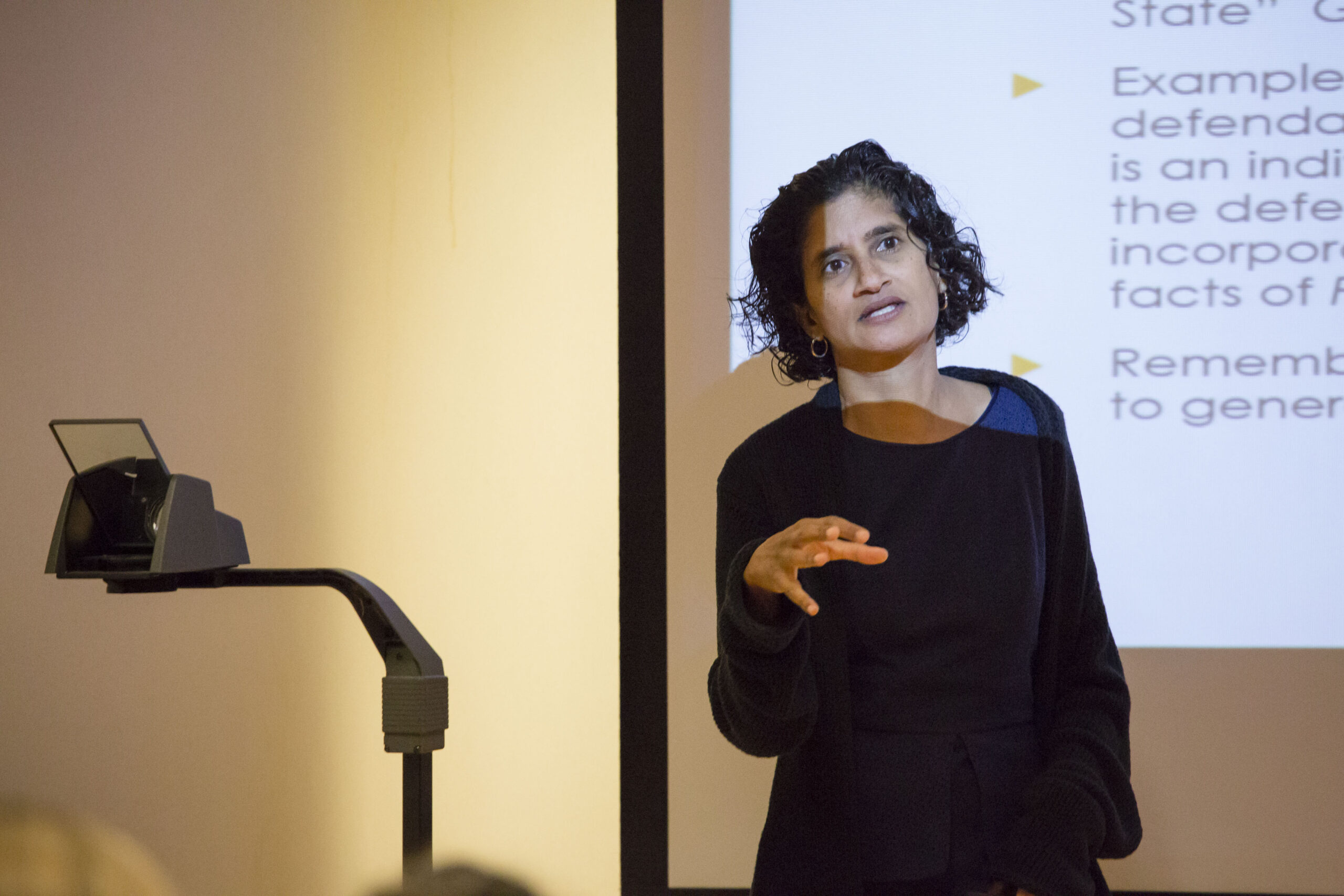
After the International Criminal Court issued arrest warrants to Israeli Prime Minister Benjamin Netanyahu and Israeli Defense Minister Yoav Gallant, citing war crimes and crimes against humanity, including starvation, Real Clear History put together a primer on how starvation went from a tactic to a war crime. Professor Patrick Keenan helped provide some context, sharing details about the use of starvation in the U.S. Civil War.

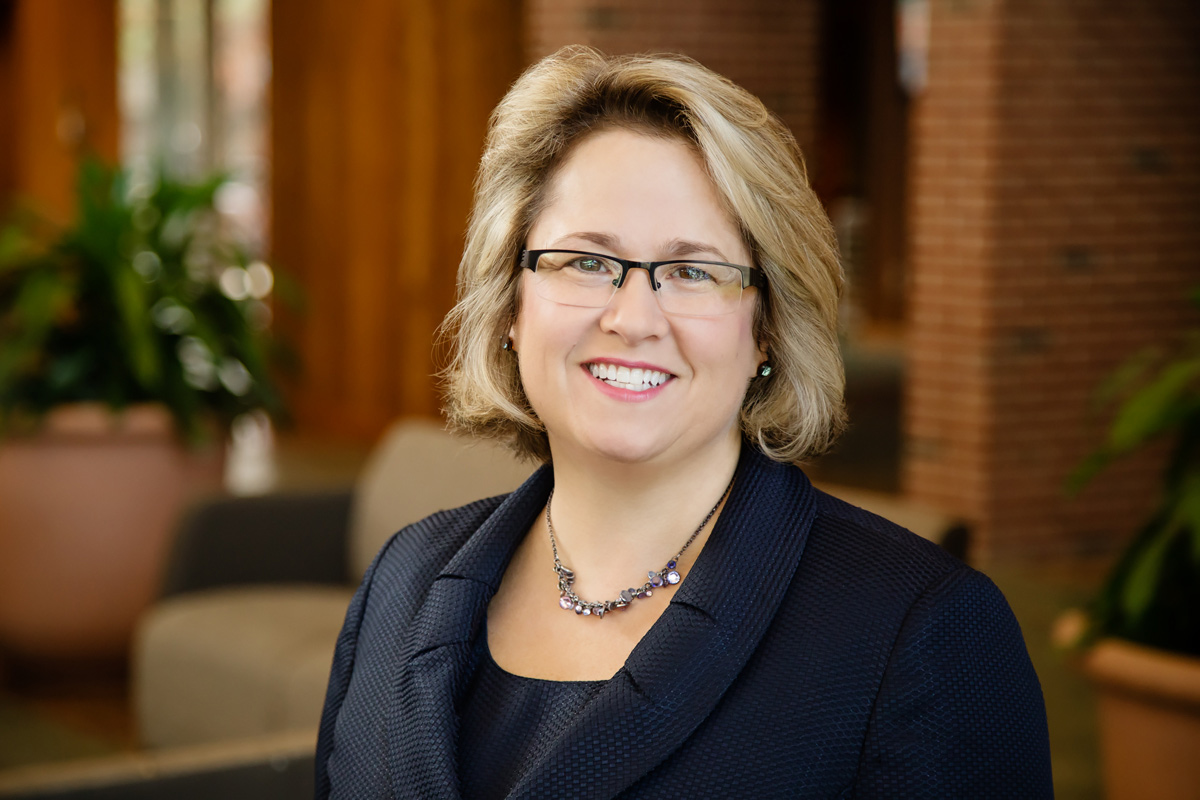
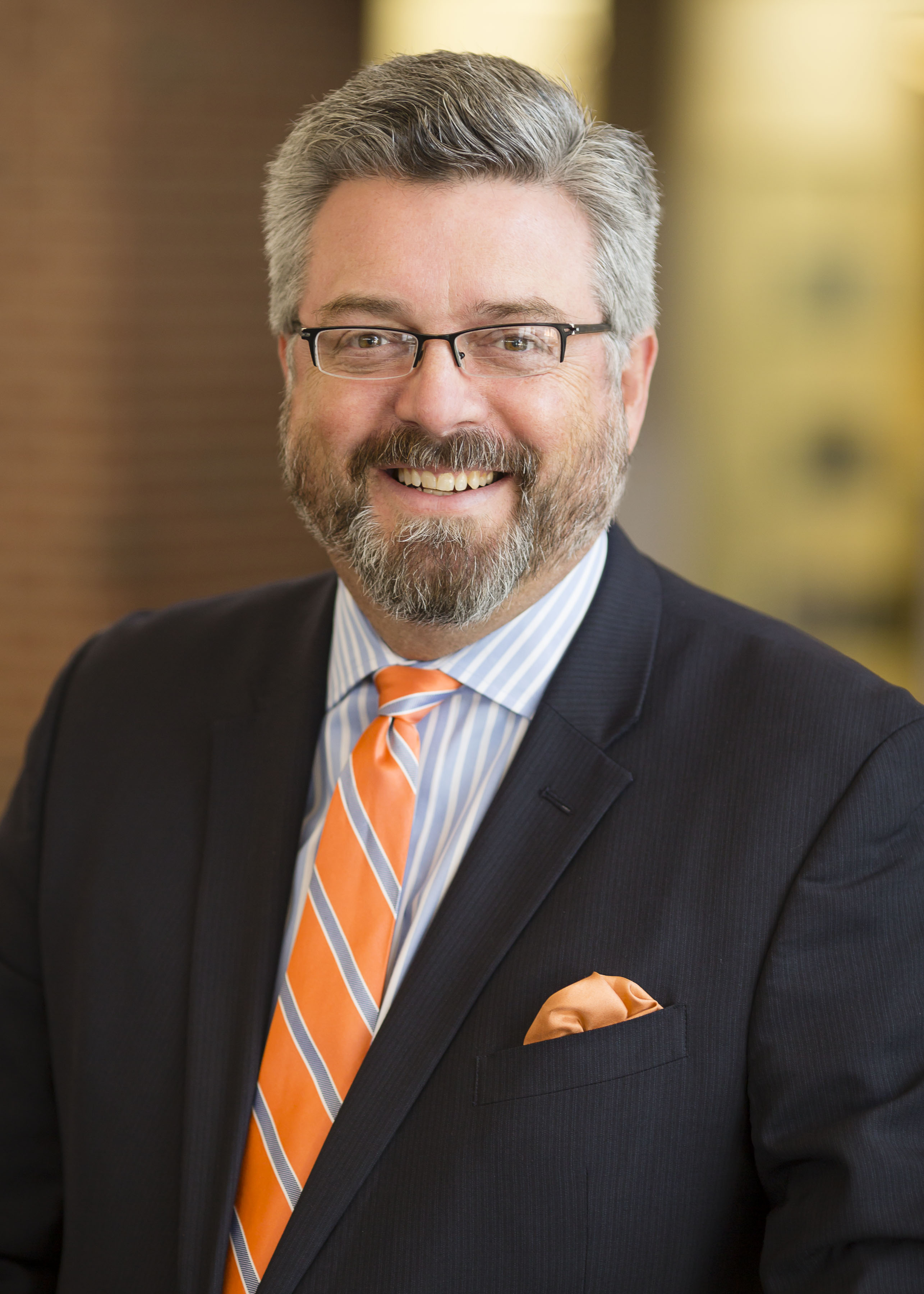
Hurd and Moore deliver keynote lectures at Max Planck Institute for the Study of Crime, Security and Law

Professors Heidi M. Hurd and Michael Moore delivered keynote lectures at the Max Planck Institute for the Study of Crime, Security and Law in Freiburg, Germany, as part of a multi-day, international, multi-disciplinary conference on the topic of Criminal Liability for Negligence. Hurd spoke about the topic of Criminal Responsibility for Carelessness and Moore spoke about Defending a Choice-Based Theory of Criminal Responsibility. Attending the conference were leading criminal law scholars in law, psychology, political science, and philosophy across Europe and within Anglo-American legal systems.

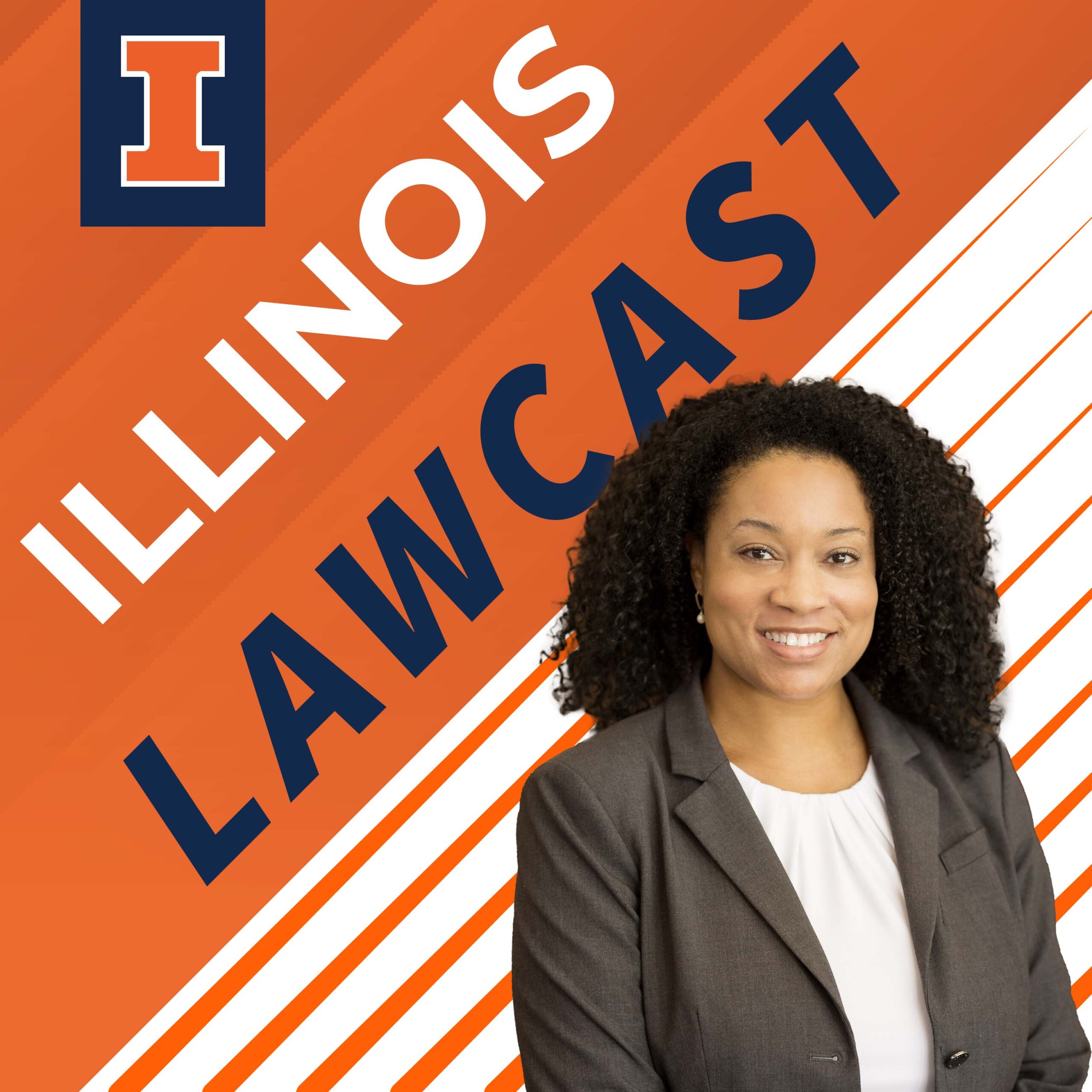
Illinois LawCast: Work experiences with Sarah Shamsi and Alex Bailey

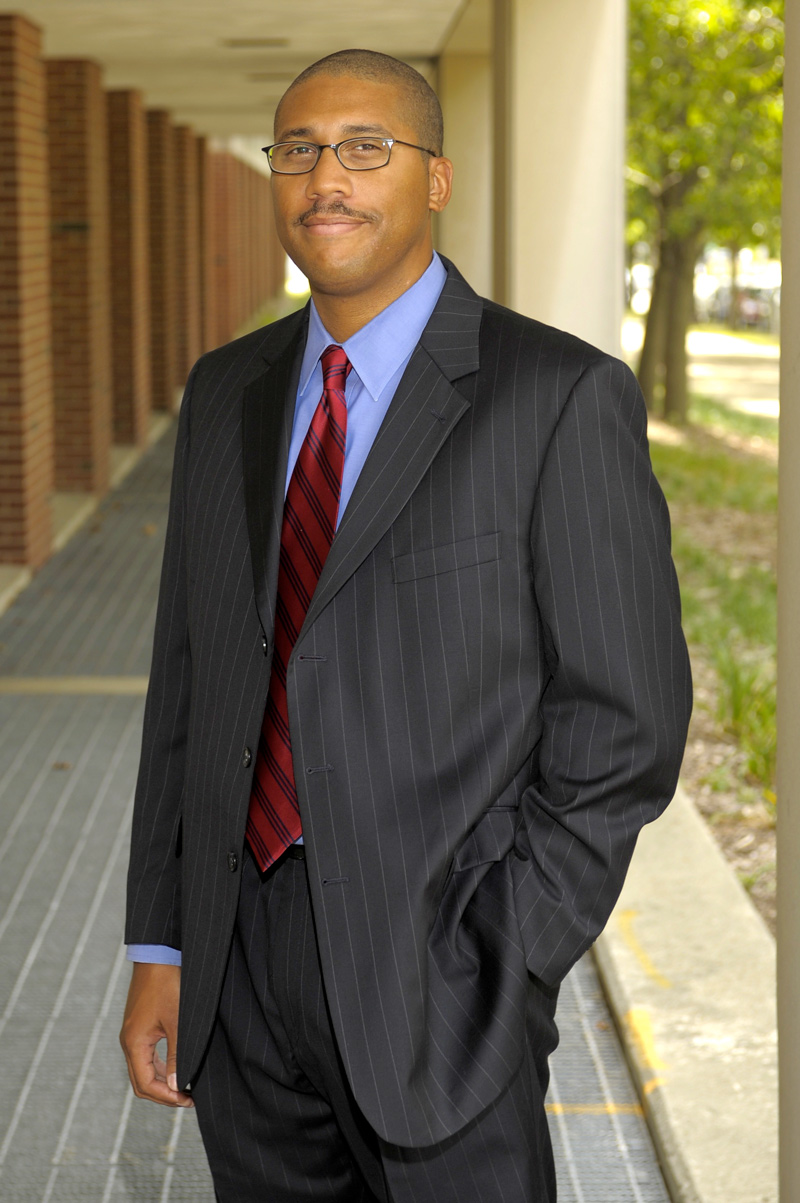
The debut episode of the Illinois LawCast explores some of the work experiences open to current students and recent graduates. Guests for this discussion are Sarah Shamsi, a rising 3L student who spent her summer externing as a law clerk with the City of Chicago, and Alex Bailey, a 2023 graduate who has been a judicial law clerk in the Southern District of Indiana for the past year. Both guests had great stories and reasons why they are grateful to have had these experiences.

If you have any questions or comments, please email us at podcast@law.illinois.edu.

STAT quotes Sherkow on pharmaceutical patents

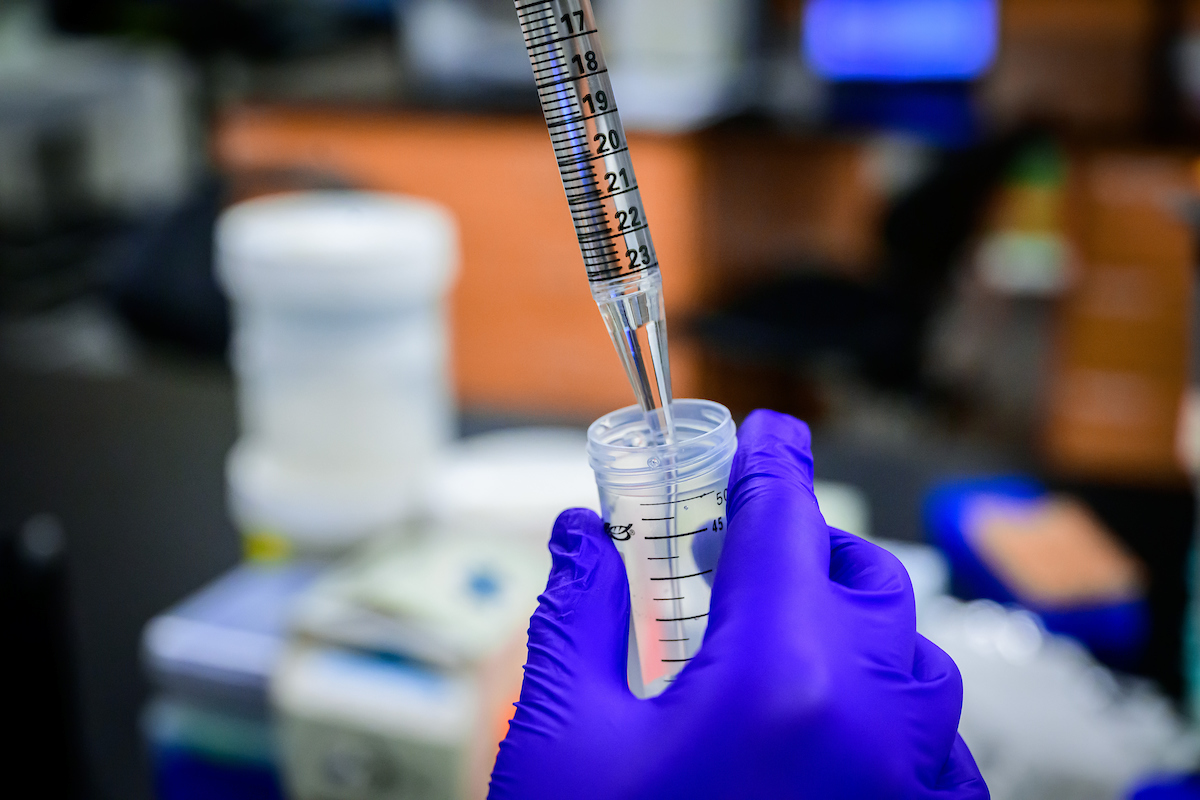
The practice of using “patent thickets,” which allow pharmaceutical companies to delay low-cost generic medicines reaching the market, is being targeted by a rule change proposed by the U.S. Patent and Trademark Office. The change would reduce the number of terminal disclaimers, an important part of patent thickets, which offers the potential to speed the entry of generic drugs to the market, Professor Jacob Sherkow explained to STAT. He cautioned, however, that companies may still find clever ways to skirt the rules.

Deseret News published op-ed from Wilson on Right to Contraception Act

Since the Supreme Court’s decision in Dobbs, there has been a concerted effort among lawmakers to codify the right to access contraception. This manifested itself this summer in Senate Bill 4381, which Professor Robin Wilson says is “a worthy legislative endeavor,” with the caveat that “it needs to be done with sensitivity to our constitutional design.” In her opinion article, published in the Deseret News, she suggests that this is a great chance for Congress to come together in a bipartisan fashion to create a good piece of legislation.

Keenan co-authors Tribune op-ed on international arrest warrants

Writing with Leila Sadat of Washington University, Professor Patrick Keenan argues President Biden has been misguided in his criticism of arrest warrants issued by the International Criminal Court for alleged war crimes and crimes against humanity in Israel and Gaza. “The law must be applied impartially to all. The U.S. should not stand behind the court when it issues warrants against U.S. adversaries such as Russia and then seek to retaliate against it for pursuing warrants in a situation in which a U.S. ally is concerned,” Keenan and Sadat wrote in their opinion piece.

Sherkow authors new article on DNA trade secrecy

Whether or not DNA sequences are subject to trade secrecy protections is the critical question examined by Professor Jacob Sherkow in his latest article, published in the Hastings Law Journal. Despite decades of scholarship assuming DNA sequences would be subject to protection, recent research has suggested this assumption was incorrect. Sherkow explores why DNA sequences might not be protected as well as the implications of this change.

Amar and Mazzone recap SCOTUS term at Justia

Professors Vikram Amar and Jason Mazzone take aim at the perception that the Supreme Court has taken a hard-right turn in their latest article written for Justia Verdict. “In the current term, at least, the Court has not been consistently conservative in a partisan way. Nor has the Court been particularly aggressive in taking up and deciding hot-button issues,” they write. Their opinion article examines the 2023-24 session and how a federal circuit court might be more to blame for the misperception of the nation’s highest court.

Illinois Law welcomes five new faculty hires

The University of Illinois College of Law is thrilled to welcome five new faculty members to our roster this fall.  

Sara Gerke joins Illinois as an Associate Professor of Law and Richard W. & Marie L. Corman Scholar. Her research focuses on the ethical and legal challenges of artificial intelligence and big data for health care and health law in the United States and Europe. She also researches comparative law and ethics of other issues at the cutting edge of medical developments, such as the clinical translation of stem cell research, biological products, such as somatic cells, tissues, and gene therapy, reproductive medicine, such as mitochondrial replacement techniques, and digital health more generally. Professor Gerke has over 60 publications in health law and bioethics, and her work has appeared in leading law, medical, scientific, and bioethics journals. Professor Gerke earned a JD from University of Augsburg and an MA from King’s College London.  

Bill Watson joins Illinois as an Assistant Professor of Law. His work has focused on the intersection of public law and philosophy and has appeared or is forthcoming in law reviews like the Northwestern University Law Review and Boston University Law Review, as well as peer-reviewed journals like Law and Philosophy and Legal Theory. He is currently working on projects that address originalism in constitutional interpretation, the import of legal positivism for legal interpretation, and the U.S. Supreme Court’s recent treatment of precedent. Professor Watson received his JD from the University of Chicago Law School and his PhD in Philosophy from Cornell University. He was a Climenko Fellow and Lecturer on Law at Harvard Law School immediately prior to joining the University of Illinois faculty. 

Jingkang (Jake) Gao joins Illinois as a Visiting Assistant Professor of Law. In his work, he has explored how legal institutions can make urban mobility safer, cleaner, more accessible, and more equitable, and how insights from urban mobility can enrich the study of law. He has applied his background in law in his work with the Chicago Transit Authority on facilitating bus electrification and cultivating a healthier electric bus market in the United States. Professor Gao earned his JD from Columbia Law School and his PhD and an MS from the Massachusetts Institute of Technology.

Maxim Krupskiy joins Illinois as a Visiting Scholar, as part of the Illinois Scholars at Risk program. He has more than twelve years of experience practicing law in Russia defending refugees and civil activists and, as an independent expert, has prepared more than forty independent anti-corruption expert opinions. Krupskiy recently spent time as a Visiting Scholar at the Fletcher School of Law and Diplomacy at Tufts University and a Non-Resident Fellow at the George Washington University, Russia Program.   

Benjamin Horton joins Illinois as a Visiting Lecturer in Law and Stanton Fellow with our First Amendment Clinic. He was inspired to pursue a legal education during the 2016 presidential election and focused his education on free expression and election issues, participating in several clinics and interning for the Center for Democracy and Technology. After completing his JD at Harvard Law School, Horton spent a year with Free Speech For People, an election litigation nonprofit, and two years clerking in the District of Massachusetts. 

The College of Law is proud to have these individuals joining our faculty and looks forward to their accomplishments as part of the University of Illinois.

Sherkow receives prestigious recognition as University Scholar

Professor Jacob Sherkow is one of only five University of Illinois Urbana-Champaign professors to be named a University Scholar in recognition of his excellence in teaching, scholarship and service. 

The scholars program recognizes faculty excellence and provides $15,000 to each scholar for three years to enhance their academic careers. The money may be used for travel, equipment, research assistants, books or other purposes.

“The University Scholars program celebrates the remarkable achievements of the named individuals,” said Nicholas Jones, the University of Illinois System’s executive vice president and vice president for academic affairs. “Our faculty represent the strong foundation of the world-class academic experience that contributes to the betterment of society and draws students and researchers to the U. of I. System universities from across the globe. The University Scholars are exemplars of that faculty excellence. 

“When you consider the diversity of scholarship across all three of our universities and the standards of academic excellence that we nurture and grow through our recruitment of esteemed educators and researchers, all of our University Scholar recipients should be deservedly proud of the honor.”

College of Law
504 East Pennsylvania Avenue
Champaign, IL 61820
(217) 333-0931