Lawless and Robbennolt: Purdue Pharma, Bankruptcy, and Procedural Justice

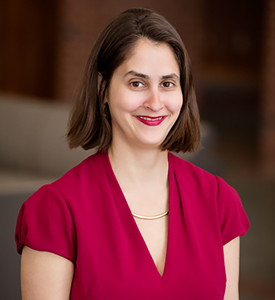
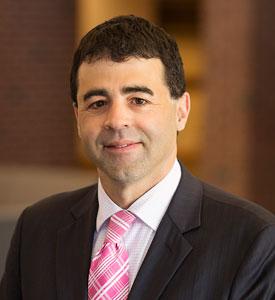
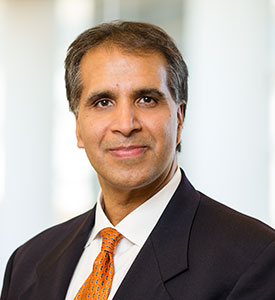
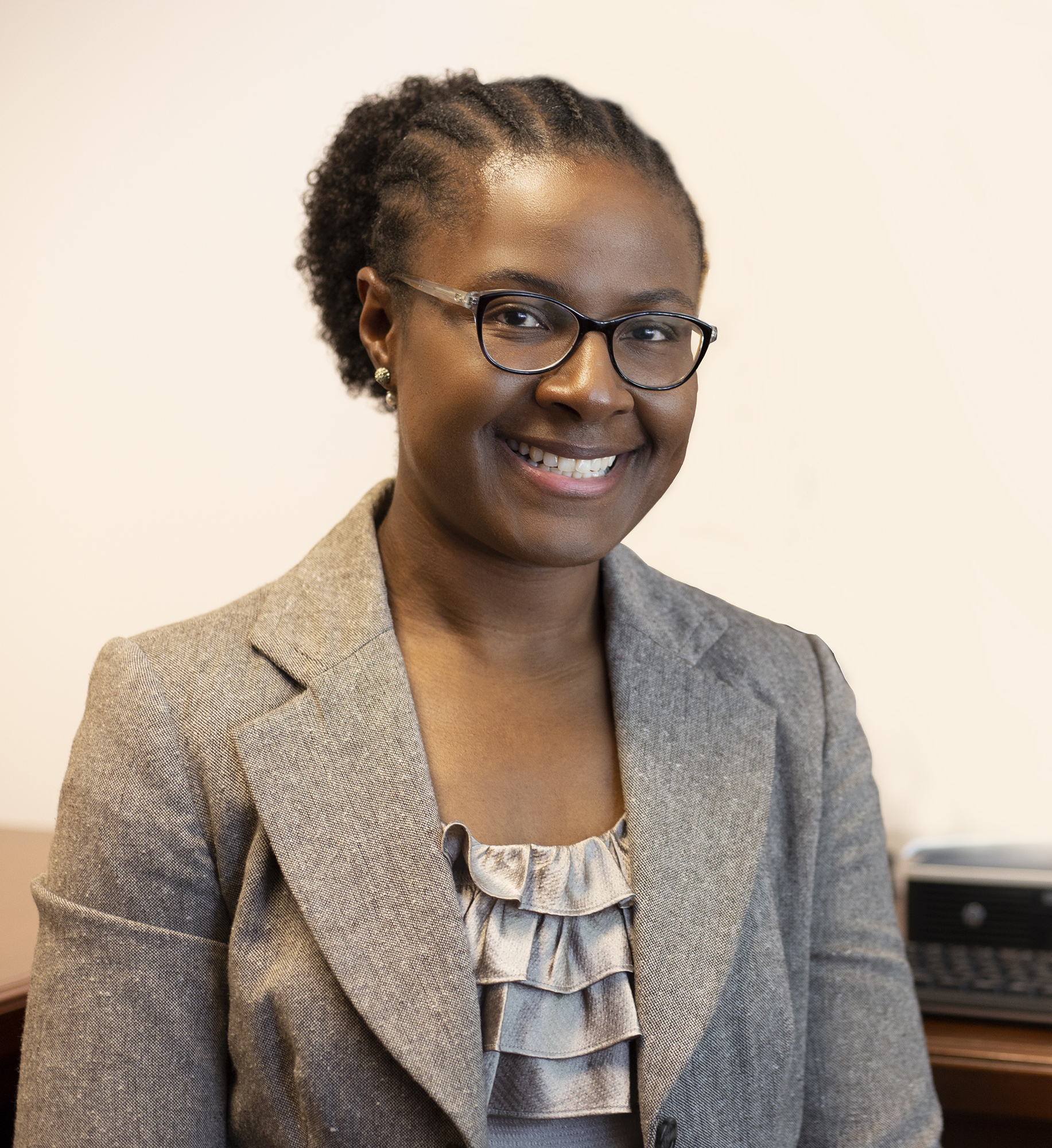
Professors Bob Lawless and Jennifer Robbennolt co-authored a blog post for Psychology Today, titled “Purdue Pharma, Bankruptcy, and Procedural Justice.” In the post, they discuss how the Sackler family sought a release in the Purdue Pharma bankruptcy case that would protect them from facing opioid lawsuits, despite not having declared bankruptcy themselves. Many claimants were opposed to a settlement plan and wanted to face the Sacklers in court. The authors argue that psychologists should explore concerns for procedural justice when tort cases are resolved through bankruptcy.

Thomas quoted by WSJ: In Win for Workers, Supreme Court Opens Door to More Discrimination Claims

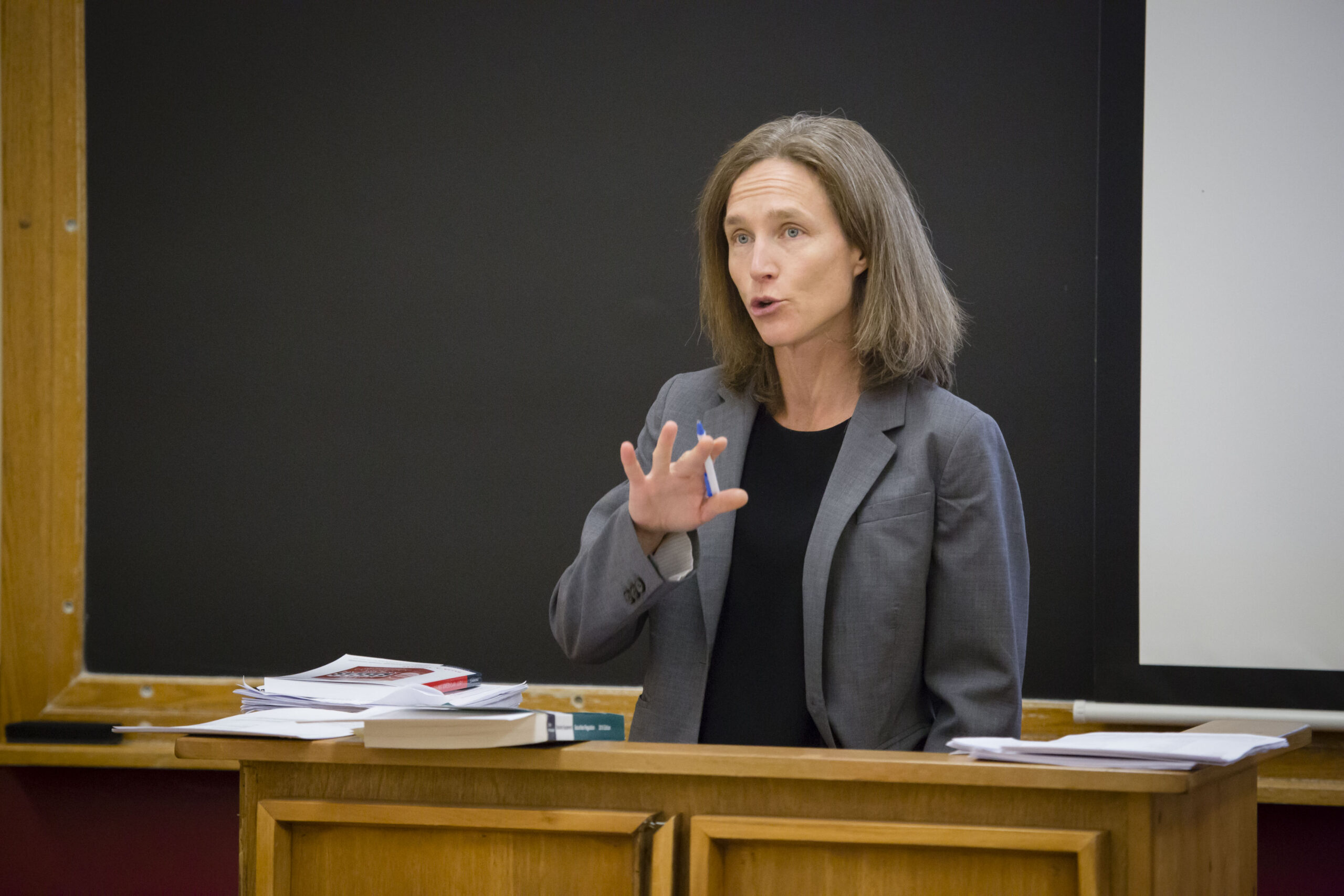
The Supreme Court issued a decision in Muldrow v. City of St. Louis on April 17, 2024, ruling in favor of a female police sergeant who said she was unlawfully transferred from the intelligence division to a less prestigious patrol position because she is a woman. The case had previously been dismissed by a federal appeals court; the Supreme Court said that “while an employee must show more than trifling harm from an employer’s discriminatory action, the appeals court had raised the bar too high.” While the decision is seen as a win for workers, employment discrimination expert and professor Suja Thomas worries that workers still face many hurdles getting discrimination claims before juries. Speaking to the Wall Street Journal about the decision, she said, “Unfortunately, there are lots of other ways courts are dismissing these cases.”

First Amendment Clinic seeks Stanton Fellow for 2024-2025 academic year

The First Amendment Clinic is hiring a Fellow for the 2024-2025 academic year. This is a one-year position, with an anticipated start date between June 15, 2024, and August 19, 2024, with the possibility of renewal for a second year depending on performance and funding.

The University of Illinois College of Law launched the First Amendment Clinic in 2023 with the support of the Stanton Foundation. The Clinic works to defend and advance the rights of free speech, press, assembly and petition through litigation and advocacy, while providing law students with practice and real-world experience to become leaders on First Amendment issues.

The Clinic takes on a wide array of matters including defending individuals exercising their right to dissenting political speech, advancing litigation on behalf of journalists to gain access to vital information, pursuing claims arising out of retaliation for First Amendment-protected speech, and advocating for the rights of citizens to openly critique government entities and officials. The Clinic represents individuals and organizations across the Midwest whose viewpoints span the political spectrum.

College of Law honors J. Ross and Sherkow with 2024 awards for scholarly excellence

Professor Jacqueline E. Ross was awarded the 2024 Wayne R. LaFave Award for Scholarly Excellence for her book “Making Sense of Youth Crime: A Comparison of Police Intelligence in the United States and France,” (Cambridge University Press, 2023) co-authored with Thierry Delpeuch of the French National Centre for Scientific Research. This award was established in 2002 by Michael Moore, the Charles R. Walgreen, Jr. Chair, and Heidi Hurd, the Ross and Helen Workman Chair in Law. The award was established in honor of Professor Wayne LaFave, whose remarkable scholarly legacy in criminal law and procedure is best honored through the recognition of work that is of matching ambition and importance.

Professor Jacob S. Sherkow was awarded the 2024 Carroll P. Hurd Award for Scholarly Excellence for his article “The Antibody Patent Paradox,” Yale Law Journal (2023), co-authored with Mark Lemley of Stanford Law School. The Carroll P. Hurd Award for Scholarly Excellence was established in 2002, also by Michael Moore and Heidi Hurd, in honor of Carroll Parsons Hurd, whose work as a political theorist and lawyer elevated theoretical curiosity and intellectual rigor above all other virtues.

College of Law teams up with Nuclear Engineering to further safe regulation of advanced nuclear reactors

Professor Arden Rowell has teamed up with the Socio-Technical Risk Analysis (SoTeRiA) Research Laboratory, led by Nuclear, Plasma, & Radiological Engineering Associate Professor Zahra Mohaghegh on a new research grant from the Nuclear Regulatory Commission (NRC). The grant, titled “Context-Based Analysis of a Risk-informed, Performance-based Regulatory Approach for Advanced Nuclear Reactors,” will span from 2024 to 2027. The project aims to help the NRC—the agency responsible for regulating the safety of civilian nuclear reactors—identify how to effectively use its aging statutory mandates to address new and emerging nuclear technologies. 

“The NRC’s legal responsibility to regulate nuclear energy has never been more important,” Prof. Rowell emphasizes. “Reactor technology is advancing rapidly even as the risks of relying on fossil fuels become increasingly apparent. How can NRC best regulate the risks and opportunities presented by advanced reactor technologies, while still staying true to its legal and democratic mandate to protect people and the environment? This is a legitimately difficult question, and I hope that our collaboration can help NRC craft a creative but implementable answer.”   

NPRE Associate Professor Zahra Mohaghegh, has highlighted the value of this project as a collaboration between engineering and law experts. “Because accident scenarios must consider social and environmental distress, managerial deficiency, and human error as well as physical and technical system failures, I believe that risk analysis and risk-informed regulation require the development of a common vocabulary within diverse engineering and social science domains to address risk emerging from the interface of social and technical systems,” said Prof. Mohaghegh.  

Professors Rowell and Mohaghegh are affiliated with the Beckman Institute for Advanced Science and Technology at the University of Illinois Urbana-Champaign, where engineering and non-engineering experts collaborate to address complex real-world problems. They have previously collaborated on a DOE project and are now looking forward to a new collaboration under this NRC grant, supporting development and enhancement of risk-informed performance-based regulatory approaches. This project will aid decision-makers and stakeholders in ensuring safe, resilient, sustainable, and socially and environmentally responsible technological advancements for nuclear energy.

USA Today quotes Johnson on shooting accountability cases

“I think the cases are a step in the right direction,” Professor Eric Johnson told USA Today about a new tactic from prosecutors in the battle against gun violence. Three separate cases have recently charged adults, such as parents and school principals, for failing to prevent adolescents from committing crimes involving firearms. This new legal approach has been successful in Michigan and Illinois and Johnson believes it could make gunowners think twice about their liability.

Hunter and Jones speak at Popular Culture Association Conference

Professors Pia Hunter and Faye Jones spoke at the 2024 Popular Culture Association Annual Conference in Chicago, Illinois, on March 27, 2024. The Popular Culture Association is a group dedicated to promoting the study of popular culture throughout the world through the establishment and promotion of conferences, publications, and discussion. With members in hundreds of specialty areas and an emphasis on scholarly exploration, the conference brought together scholars of varied backgrounds to hear Hunter and Jones deliver their presentation “The Death and Life of Privacy in Contemporary Popular Music” as part of the Law and Popular Culture section of the conference.

Kaplan files amicus brief in Fifth Circuit retirement investing case

Professor Richard Kaplan was one of six law professors who filed an amicus curiae brief in the U.S. Court of Appeals, Fifth Circuit case State of Utah et al. v. Julie Su et al. The brief was filed in support of a Biden administration rule allowing retirement advisers to consider environmental, social and governance issues when making decisions for clients, with the professors arguing the move aligns with fiduciary duties to minimize risks and maximize returns for clients. The brief also urged the appeals court to reject a Utah-fronted challenge that argues the rule is inconsistent with the Employee Retirement Income Security Act and investment professionals’ obligations.

Read coverage of the case from Law360 and Bloomberg.

Delaware Bankrupcty Court relies on scholarship from Lawless in opinion

In the U.S. Bankruptcy Court for the District of Delaware, Judge Craig T. Goldblatt relied heavily upon the scholarship of Professor Robert Lawless in his opinion for Yellow Corporation’s Chapter 11 plan. Citing “Reframing Arbitration & Bankruptcy,” Judge Goldblatt ruled that Yellow Corp. must resolve issues in bankruptcy court rather than in arbitration. Speaking to the American Bankruptcy Institution about the decision, Lawless explained “Judge Goldblatt cut through the rhetoric and got it right.”

Brubaker talks Bayer, Texas Two-Step bankruptcy with Bloomberg

Bayer AG is considering employing the controversial legal tactic known as the Texas Two-Step bankruptcy to address the thousands of lawsuits alleging that its Roundup weedkiller causes cancer. The strategy, which involves splitting assets and liabilities into separate units, with the unit burdened by liabilities being placed into bankruptcy to facilitate a global settlement, is an area of expertise for Professor Ralph Brubaker. Speaking to Bloomberg, he suggested that although the courts may ultimately refuse this tactic, bankruptcy could provide Bayer with time to propose a settlement while halting ongoing litigation.

College of Law
504 East Pennsylvania Avenue
Champaign, IL 61820
(217) 333-0931