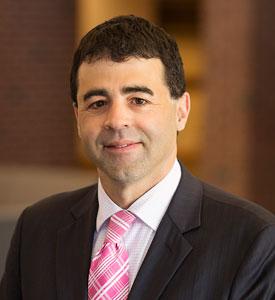
Keenan discusses AI in the classroom with 2Civility

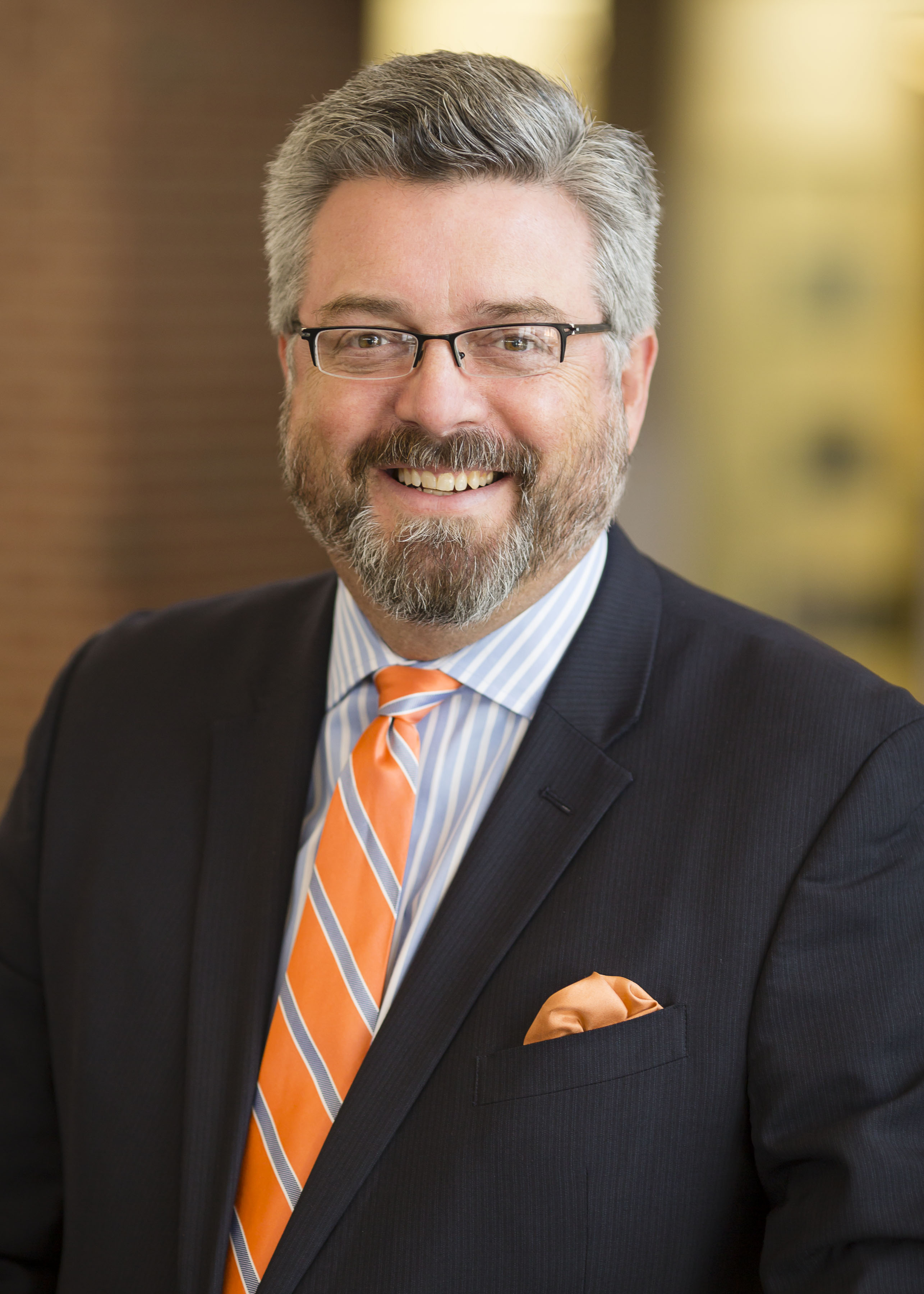
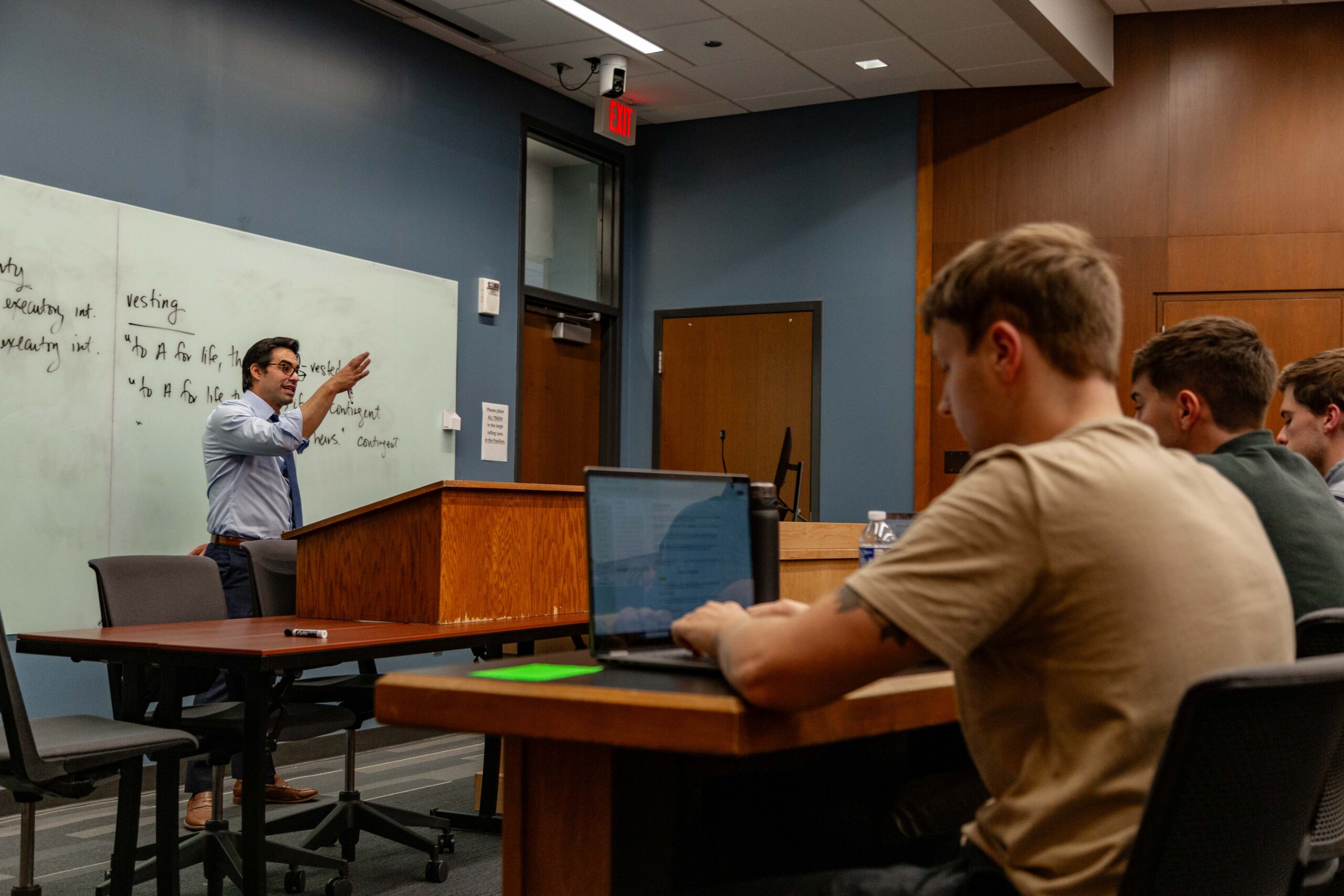
In the past year, advances in artificial intelligence have made the technology more than a curiosity. Today, AI chatbots can participate in logical conversations or write code and image-creation software can create hyperrealistic “photos” from a simple prompt. While these tools can be a great benefit to users, they exist in a gray area of law school academic policies and honor codes. Professor Patrick Keenan spoke about his class policy regarding generative AI use and how he aims to help students understand the tools without abusing them.

Read more from 2Civility.

Hunter and Mazzone share stories of SCOTUS background research on podcast

When an individual is nominated to a spot on the Supreme Court, the confirmation process requires a remarkable amount of background work. In fact, it is common for each piece of published material ever produced by the candidate to be scrutinized during confirmation, requiring a number of experts to assist the elected representatives in the process. On the Lost in the Stacks podcast, Professors Pia Hunter and Jason Mazzone share engaging and humorous stories of their work assisting in the confirmation of Justice Ketanji Brown Jackson.

Listen to the full episode online.

First Amendment Clinic joins amicus brief in O’Connor-Radcliff v. Garnier

The First Amendment Clinic, led by Professor Lena Shapiro, is listed among the counsel on an amicus brief submitted to the Supreme Court in the case of O’Connor-Radcliff v. Garnier. The case, one of two regarding social media that will be heard by the Court next term, centers on whether a governmental body (in this case a school board) violates individual First Amendment rights by blocking users on social media. The brief, which was submitted by First Amendment Clinics from law schools at Arizona State, Duke, and Vanderbilt in addition to Illinois, argues that public access to government social media accounts is most protective of First Amendment freedoms.

Read more, including the full amicus brief, from Vanderbilt Law School.

Brubaker in WaPo: The Justice Department was right to object to Purdue’s rotten deal

In an August 28th letter to the editor of The Washington Post, bankruptcy expert and professor Ralph Brubaker strongly condemned the Purdue Pharma settlement plan. He wrote:

“There are eminently feasible, well-trodden means of rendering justice for massive iniquity, which can and will produce much better (and actual) settlements for victims, if the Supreme Court repudiates the kind of ad hoc, designer justice system for the wealthy of which the Purdue deal is emblematic.”

Read the full letter.

New paper from Robbennolt and 2023 graduate Sam Barder explores “optimistic overconfidence” among incoming law students

Professor Jennifer Robbennolt and 2023 graduate Sam Barder have co-authored a paper titled “Optimistic Overconfidence: A Study of Law Student Academic Predictions.” Their findings, which indicate that a majority of incoming law students are wildly overconfident, drew the attention of Reuters, ABA Journal, and Above the Law. 

Speaking to Reuters, Robbennolt suggested there may be several factors contributing to the optimism of new students.

“They are coming into a totally new environment,” Robbennolt said. “They don’t have much information about the tasks they will be asked to do and the kind of thinking they will be asked to do. They don’t know much about their peers.”


Read commentary about the paper at Reuters and ABA Journal. 

New co-authored paper from Sherkow: “Regulating Direct-to-Consumer Polygenic Risk Scores”

Professor Jacob Sherkow has co-authored a paper, “Regulating Direct-to-Consumer Polygenic Risk Scores,” that was published in JAMA. In the paper, the authors argue that polygenic risk scores, which are used to predict risk factors for particular conditions using genetic data, require better government regulation. 

Read the full paper at jamanetwork.com.

More from Sherkow on polygenic risk scores at igb.illinois.edu.


Hunter receives 2022 Alumni Award from iSchool

On July 7, 2023, the iSchool at the University of Illinois announced the recipients of their 2022 Alumni Awards. 

Pia Hunter (MSLIS ’14) is the recipient of the Leadership Award, which is given to an alum who has graduated in the past ten years and shown leadership in the field.

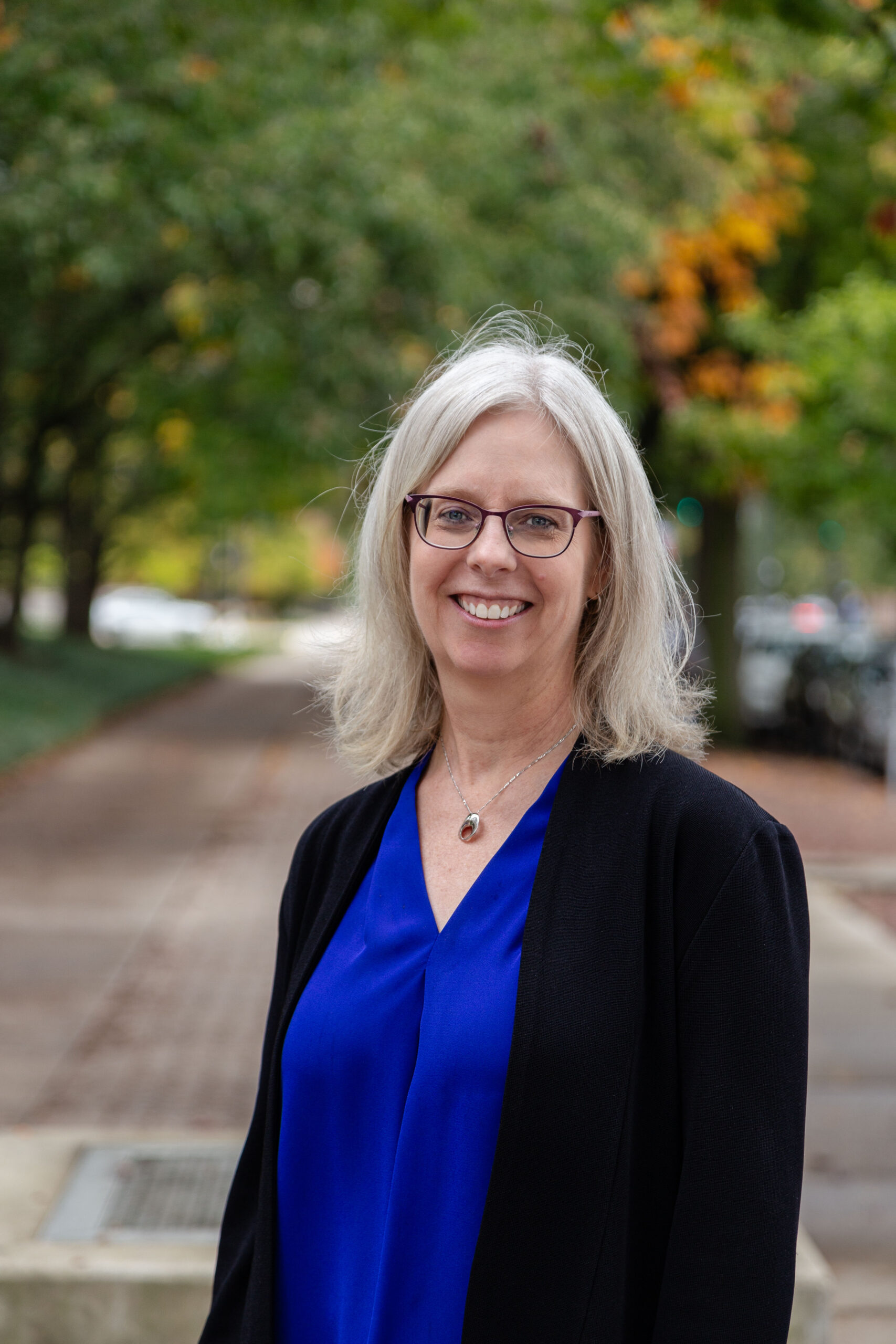
Since earning her MSLIS, Hunter has completed her JD degree and emerged as a leader in law librarianship. She currently serves as teaching associate professor and associate director for research and instruction with the Albert E. Jenner, Jr. Memorial Law Library at the University of Illinois College of Law. Throughout her career, Hunter has advocated for fair use in higher education and open access to scholarly publishing. In 2013, she led the initiative to create Fair Use Week, an annual celebration that highlights the fair use doctrine and its significance to artists, students, faculty, librarians, journalists, and all users of copyrighted content. In 2018, the Harvard University Library and the Association of Research Libraries presented her with the first annual Fair Use Week Founders Award in honor of her achievement in the creation of Fair Use Week and her role as a scholar and leader in the promotion of fair use. Hunter gives generously of her time to the iSchool, frequently appearing as a guest speaker for classes and student events.

Congratulations, Professor Hunter!
Rowell speaks to Stateline about lack of worker protections related to wildfire smoke

Professor Arden Rowell recently spoke to Stateline about the lack of federal regulations to protect outdoor workers from wildfire smoke. Rowell, who has studied respiratory safety regulations, said that only three states — California, Oregon and Washington, which is in the process of finalizing its rules — have developed their own enforceable standards on worker safety and wildfire smoke.

“The guarantee of worker protections that so many of us presume we have seems like it’s falling down here,” Rowell said. “As we see more fires, we’re going to see more risks. Does every single state then need to fill this gap?”

Read the full article at stateline.org.

Mazzone speaks to Army Times about a court ruling that could overturn federal control of the National Guard

Should states or the federal government have control over the National Guard? A recent ruling from the 5th Circuit has set up a battle over this question and made the matter more complicated than before. Army Times spoke to Professor Jason Mazzone, who was cited in the 5th Circuit opinion, to help clarify some of the issues at stake. He also gave an interview to Veterans Radio on the same topic.

Read more at armytimes.com.

Listen to the interview at blogtalkradio.com.

College of Law
504 East Pennsylvania Avenue
Champaign, IL 61820
(217) 333-0931