Illinois LawCast: Undergraduate Opportunities with Jennie Pahre and Meghan Brinson

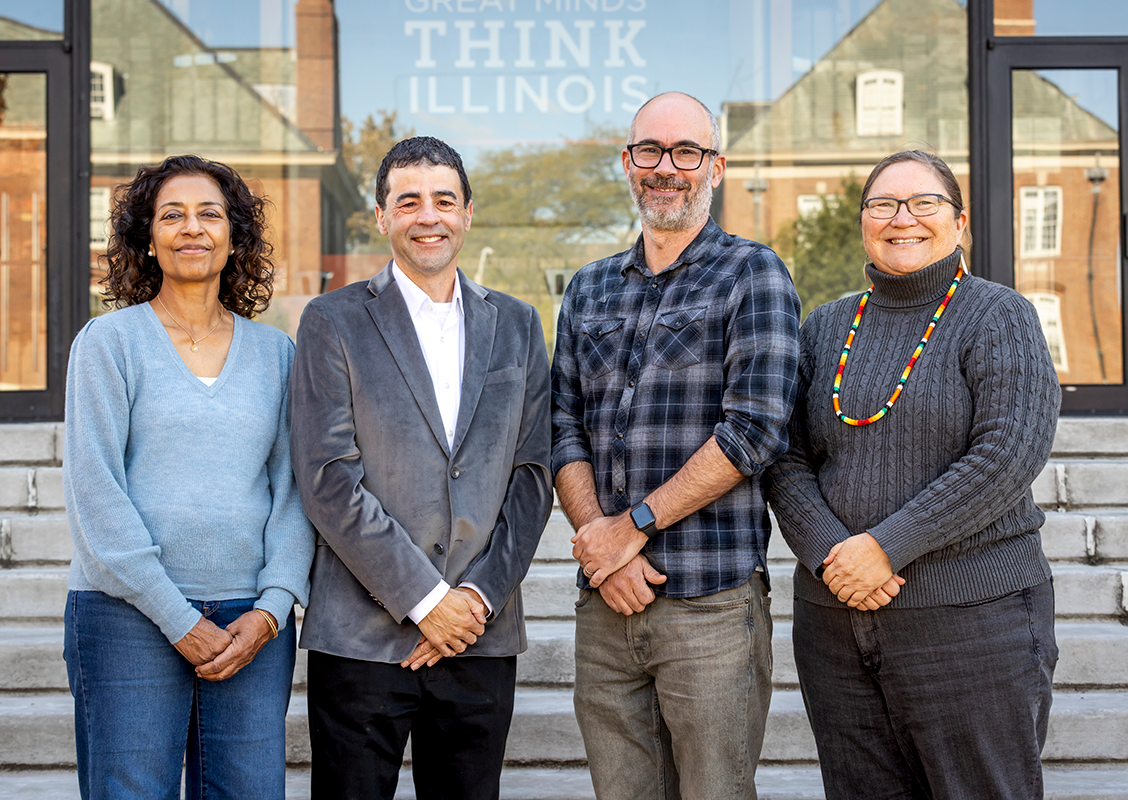
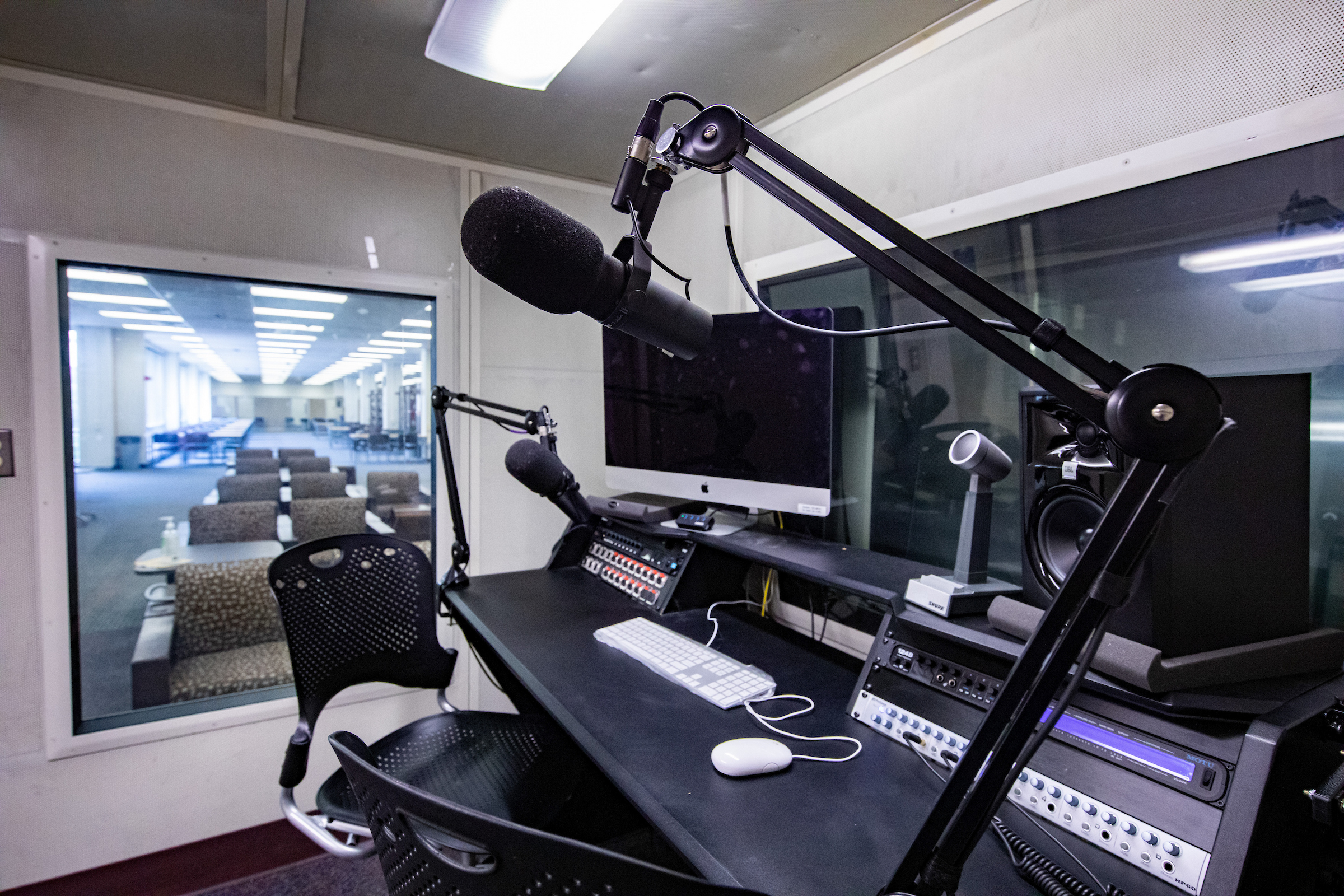
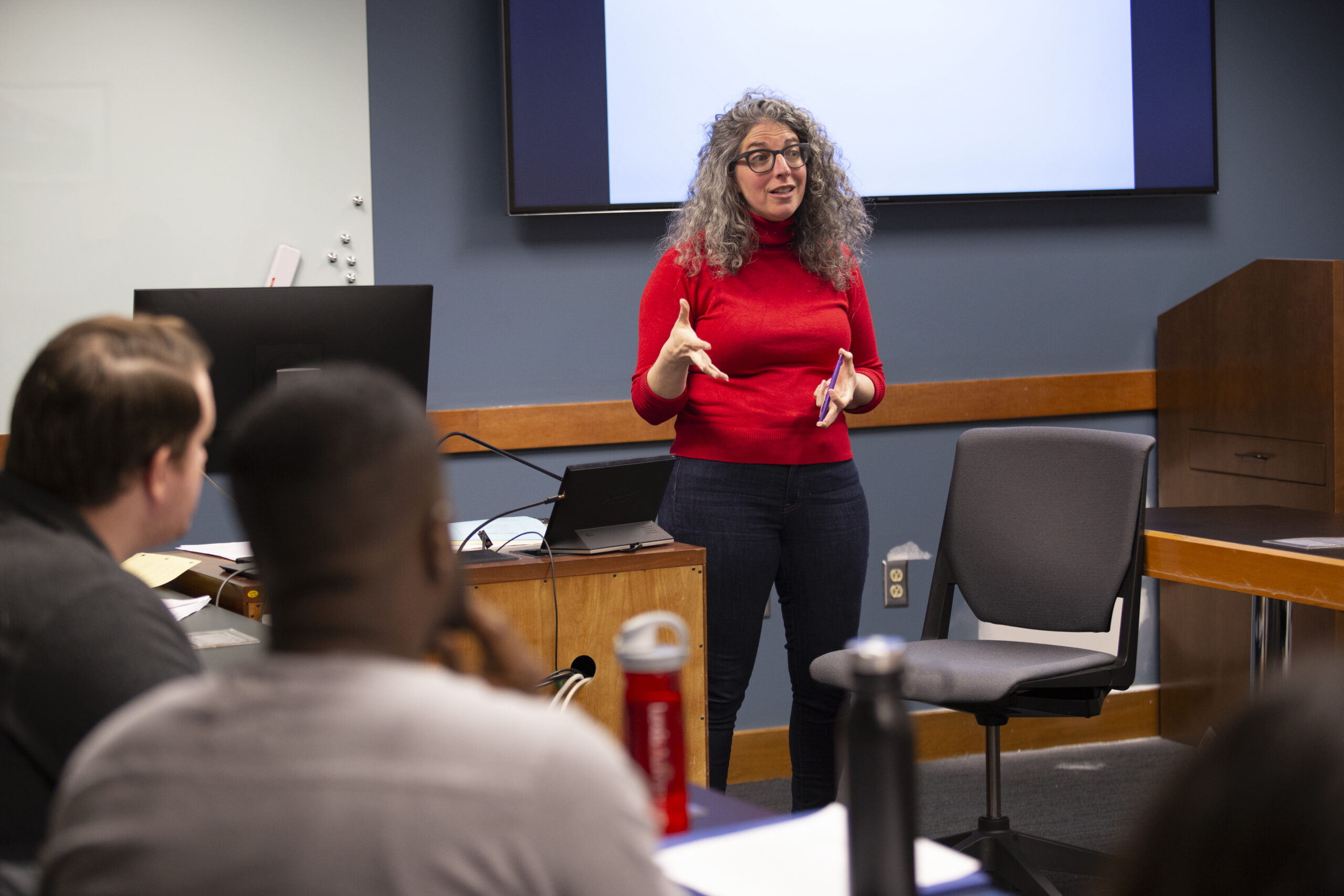
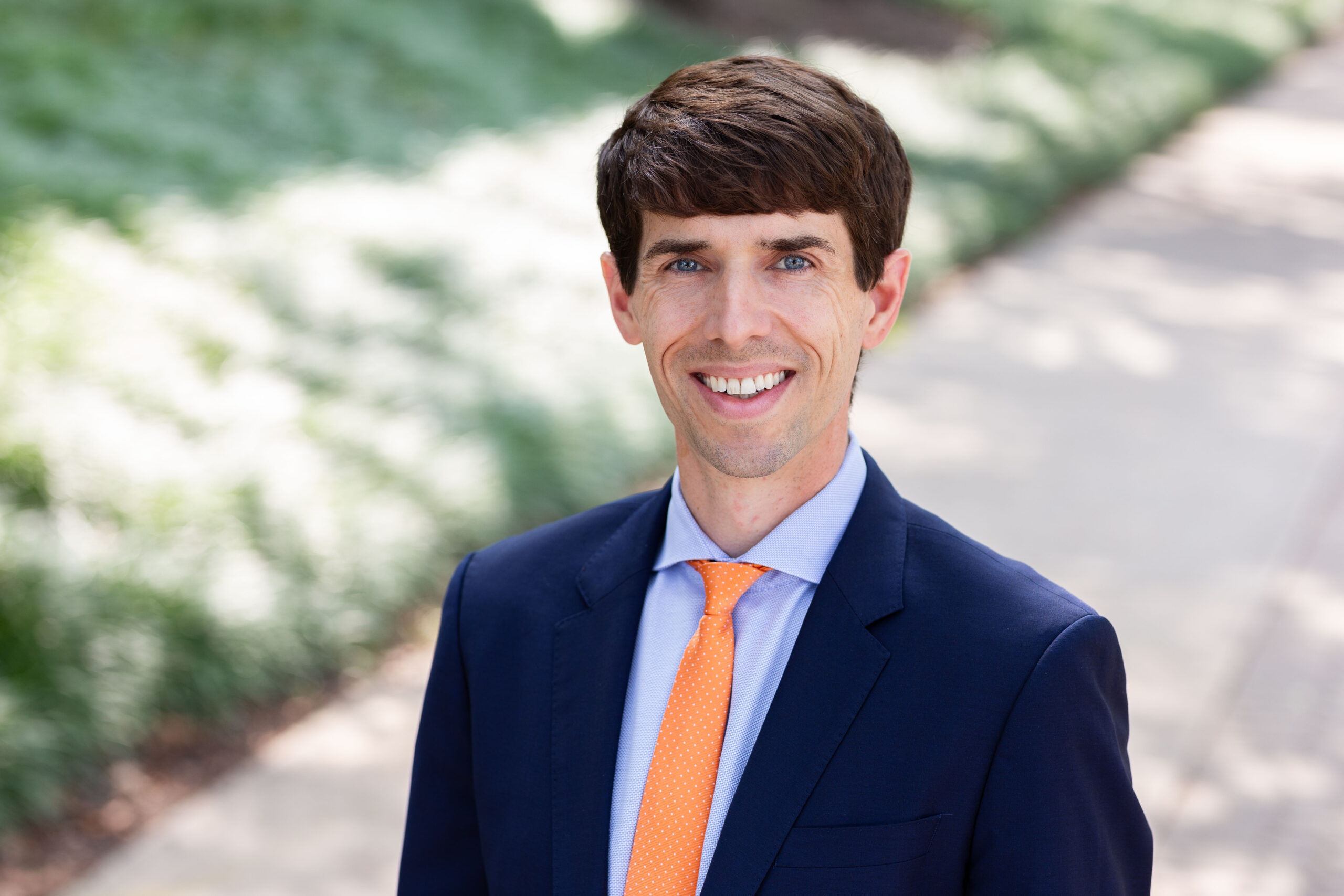
Learning the law isn’t solely the province of graduate students. The University of Illinois offers undergraduates the chance to enroll in the Legal Studies minor for those interested in pursuing a JD after graduating or those who would just like to broaden their understanding of the law within their field. The Legal Studies minor is a novel program because of its tracks, where students can choose to focus on law & politics, law & cultures, or law & economics of food security and sustainability. In this episode, Professors Jennie Pahre, director of undergraduate studies, and Meghan Brinson, associate director of undergraduate studies and academic advisor for undergraduate studies, share their expertise on the Legal Studies minor, why they enjoy working with undergrads, and ideas for the future of the program.

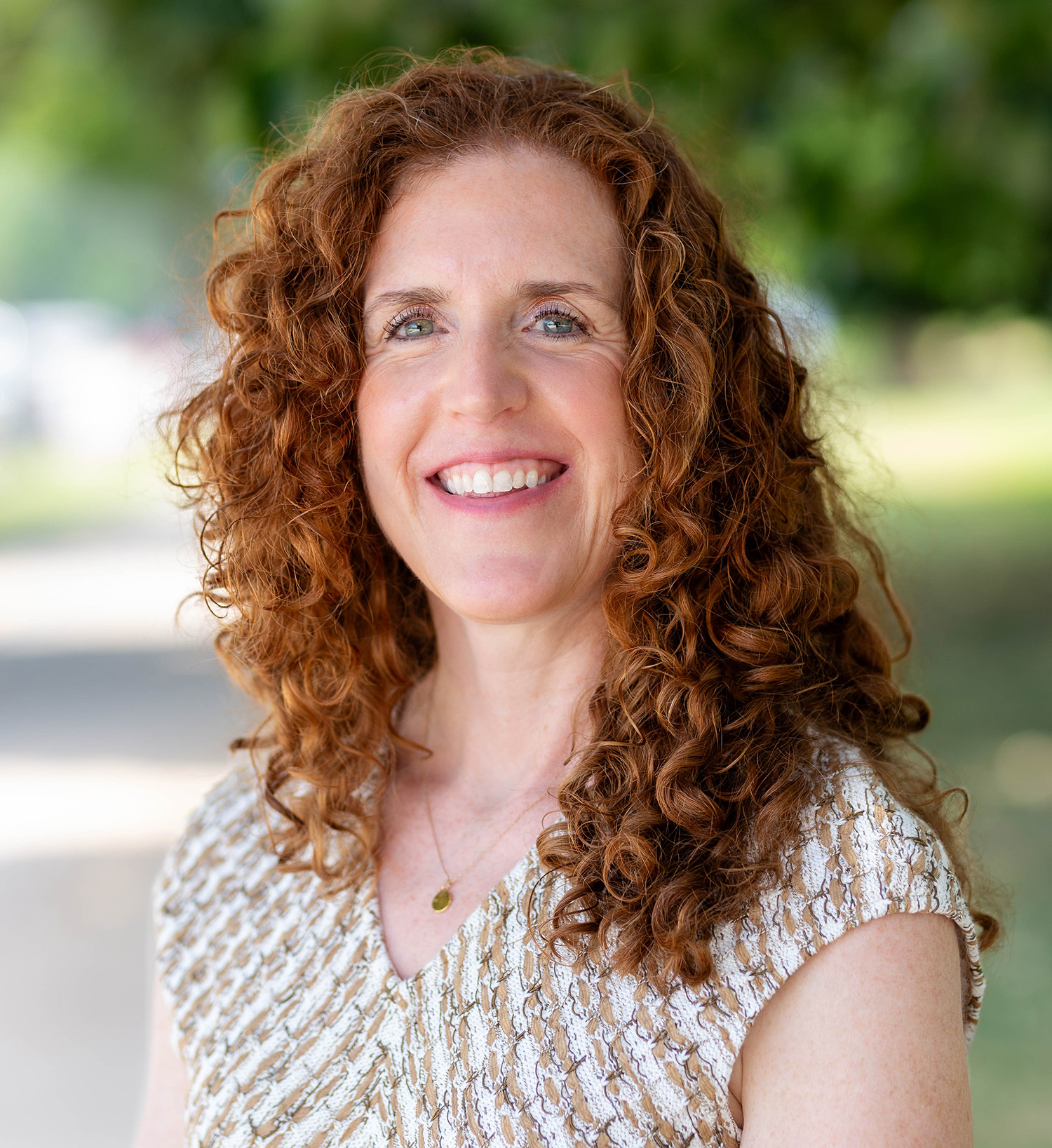
Professor Jennifer Pahre joined the College of Law in 2001. She oversaw the Legal Externship Program for 15 years before became the director of undergraduate studies. She earned her bachelor’s degree from Stanford University and JD degree from Loyola Law School of Los Angeles. Professor Pahre is admitted to the state bars of California, Michigan, and Illinois and has practiced law in all three states as well as several district courts. She served on the Insurance Coverage Litigation Committee of the American Bar Association and she has served as the president of the East Central Illinois Women Attorneys Association.

Professor Meghan Brinson earned her JD at University of North Carolina School of Law, and holds a Master of Arts in English Studies from Georgetown University and a Master of Fine Arts in Creative Writing from Arizona State University. She has experience teaching undergraduate composition, business writing, and creative writing, including as a Piper International Writing Fellow at the National University of Singapore and with Park University’s program on Marine Corp Air Station Cherry Point. Professor Brinson is a poet and nonfiction essayist with three published chapbooks and several journal publications.

If you have comments or suggestions for the podcast, please contact podcast@law.illinois.edu.

Mercury News quotes Sherkow on California’s generic insulin

To help residents with the high cost of insulin, a necessary drug for patients with diabetes, the state of California decided to develop its own generic brand of the medicine. The project will begin distributing “CalRx” insulin to consumers in January, and the San Jose Mercury News spoke to Professor Jacob Sherkow about how this plan is affecting insulin more broadly. The plan, he explained, is putting “downward pressure” on prices across the market.

Harlem World quotes Leipold on grand juries

Grand juries have twice declined to re-indict New York Attorney General Letitia James for mortgage fraud, despite the Trump administration’s efforts. The decisions are a strong rebuke of the administration, and Harlem World quoted Professor Andrew Leipold in their article on the subject, noting “something has gone horribly wrong” in the case when a prosecutor fails to secure an indictment.

Rowell co-authors editorial on nuclear regulation

Many recent changes in rules and regulations surrounding nuclear power reactors have been enacted with the goal of expanding the use of nuclear technology, but the shifts also run the risk of overwhelming the Nuclear Regulatory Commission and threatening the industry. In a new editorial published by Nuclear Newswire, Professor Arden Rowell and a team of nuclear engineers from the University of Illinois attempt to answer urgent questions in order “to prevent industry-wide paralysis and ensure that new nuclear power reactors are deployed both safely and efficiently.”

Watson publishes new article in Boston University Law Review

What is really being debated when individuals debate legal interpretation? This is the central question in a new paper written by Professor Bill Watson published in the latest issue of the Boston University Law Review. The “meta-interpretive” question “is key to making progress,” according to Watson. “We should be wary of monolithic interpretive theories that purport to apply across the board,” he concludes.

Bivens Act a good start, but imperfect argue Mazzone and Amar

In October, the Illinois Legislature passed the Bivens Act, which provides new state-level protections for individuals interacting with Illinois courts, hospitals, schools, and child-care centers during civil immigration enforcement activities. Writing at Justia Verdict, Professors Jason Mazzone and Vikram Amar praise the law as “an important and innovative law in keeping with the proudest tradition of federalism”; however, they note that some aspects of the Act are unlikely to survive federal constitutional challenges. In their article, they explain why the law is good and why some parts are destined to be struck down.

Brinson joins IICLE podcast to talk literature and law

In addition to her JD from the University of North Carolina, Meghan Brinson also holds an MFA in creative writing from Arizona State University, which made her an ideal guest for the Cornered podcast’s episode on literature and the law. Speaking on the show, produced by the Illinois Institute for Continuing Legal Education, Brinson discussed her background, her law and literature course, and how she combines her interests for the benefit of her students.

New paper from Sherkow: “Intellectual Property, New Genomic Technologies And Plant Innovation: Clearing Innovation Pathways”

Professor Jacob Sherkow has co-authored a new paper with Laura Valtere (University of Copenhagen – CeBIL) and Timo Minssen (University of Copenhagen – CeBIL) titled “Intellectual Property, New Genomic Technologies And Plant Innovation: Clearing Innovation Pathways.” The abstract follows:

New genomic technologies (NGTs), such as genome editing-the modification of DNA in living cells-promises to revolutionize agriculture. Beyond simply yielding new, commercially viable crop varieties, NGTs also hold out promise of using novel crops as a “biosolution”-methods to improve sustainability practices by reducing pesticide usage, improving drought tolerance, increasing yield, and minimizing food and fertilizer waste. At the same time, the complex global system of intellectual property (IP) protection for crops has largely been unchanged for decades. There is accordingly some concern that the current crop IP system will not bring the promise of agricultural biosolutions to fruition. This Article reviews NGTs as biosolution and explores how they fit into the current international IP system for crops. Against this backdrop, this Article also reviews several current proposals to crop IP regime, before tentatively suggesting recommendations for rebalancing the incentive structures in crop IP.

Lawless and co-authors discuss their book “Debt’s Grip: Risk and Consumer Bankruptcy” in 2-part series with Law360

Professor Robert Lawless, along with co-authors Pamela Foohey and Deborah Thorne, recently sat down with Law360 for an in-depth interview on their book “Debt’s Grip: Risk and Consumer Bankruptcy.” The book is the latest to come out of the Consumer Bankruptcy Project, a long-term interdisciplinary research project on consumer bankruptcies in the U.S. that began in 1981. The authors discussed what they were hoping to learn (and what surprised them), how the data on who is filing for bankruptcy has changed over time, and what they want lawmakers to take away from the book.

Read Part 1 and Part 2 of the interview.

Pahre publishes paper in Texas A&M Journal of Property Law

Professor Jennifer Pahre recently published “A Comparison of Inadequate Doctrines: The Canadian “honour of the Crown” and the U.S. Federal Trust Responsibility” in the Texas A&M Journal of Property Law. The paper, written as a result of a grant from the Indigenous Politics Program at the American Political Science Association, compares key policies of the U.S. and Canada towards their Indigenous populations.

College of Law
504 East Pennsylvania Avenue
Champaign, IL 61820
(217) 333-0931