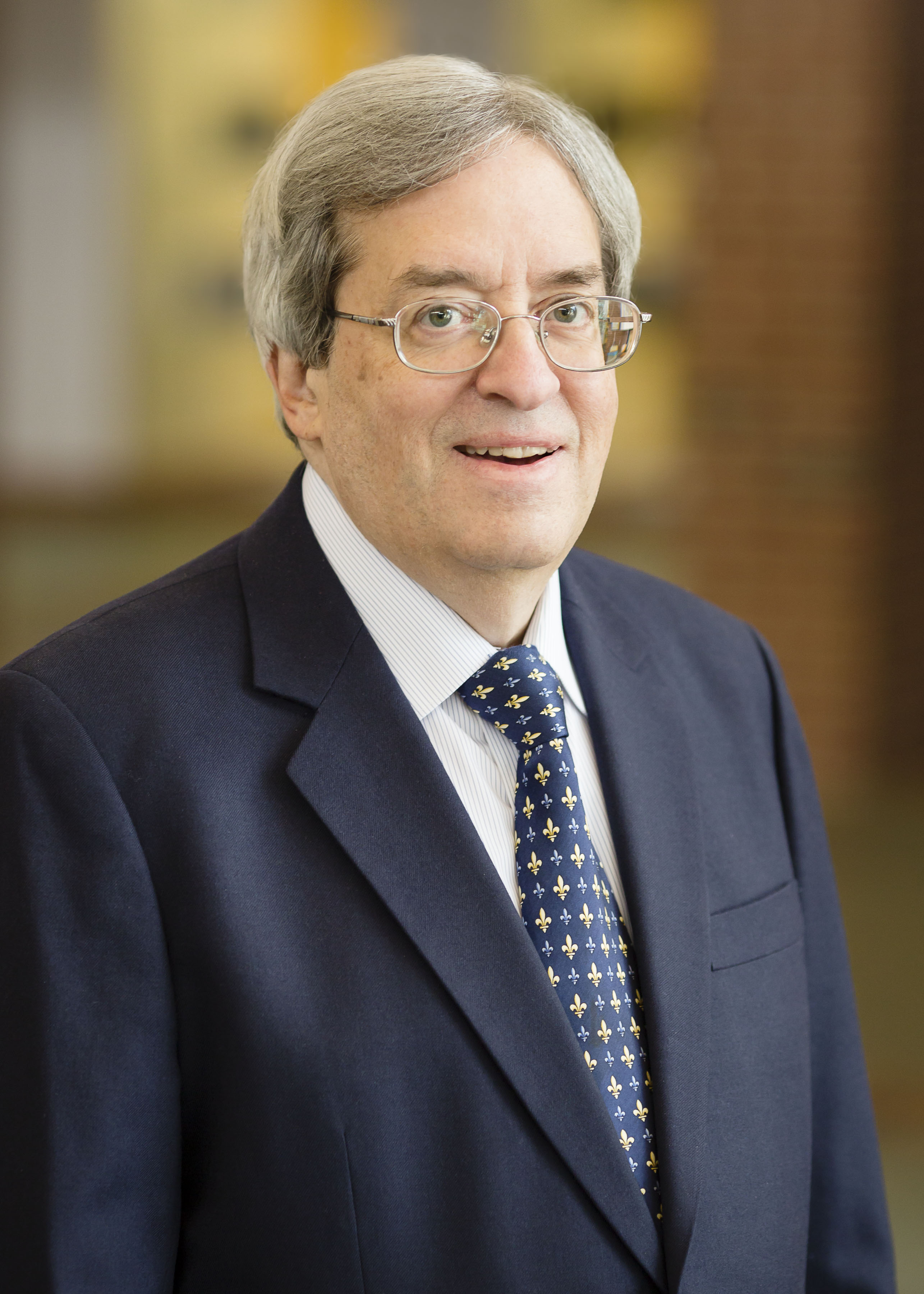
From campaigning as an undergrad, to Student Senate in Law School, and door-to-door campaigning after graduation, politics has long been a part of Timmy Knudsen’s life. A role as Alderperson of Chicago’s 43rd Ward might not have been what he predicted when he graduated from the College of Law in 2015, however.
“I’m not a five-year plan person,” he said with a laugh. “I just followed timing. When the opening appeared to go full time into a role that I thought was a good fit, I went for it. And if that opening hadn’t appeared, I’d probably still be working in my practice right now.”
Timing has worked out fairly well for Knudsen so far. After graduation, he joined Katten Muchin Rosenman LLP, where he worked as an associate for 5 years before joining Croke Fairchild Morgan & Beres as a partner. Knudsen says he loved his time in practice, not least for the opportunity it afforded him to broaden his horizons. In his practice work, he served as counsel for startups and working with company boards, a role he credits Professor Nicola Sharpe as helping him prepare for; however, it was the pro bono work representing LGBTQ+ clients in asylum cases that he found especially rewarding.
Knudsen recommends any young lawyer seek out similar boundary-expanding experiences in their practice.
“It’s important to get really good at something, right? But don’t let them pigeonhole you. You’ve got to understand that you also can access things outside your ‘specialty,’” he said. “If you ever feel like you’re becoming pigeonholed, I would say do pro-bono…it’s also more gratifying than really just kind of being one person in the assembly line.”
Outside of practice, Knudsen continued working on political campaigns, including that of former Chicago Mayor Lori Lightfoot. His service on her campaign finance team came at the right time, because his enthusiastic spirit and strong leadership skills were what Lightfoot was looking for after a retirement on the Zoning Board of Appeals, then the Chair of the Zoning Board of Appeals, and finally in the 43rd Ward necessitated appointments. In the short three years between September 2019 and September 2022, Lightfoot chose Knudsen for each of those three roles, making him the youngest Alderperson in Chicago at the time of his appointment.
Being the youngest didn’t intimidate him, though, as he held firm to his values and followed his ambition. Knudsen credited his years of preparation at Illinois for helping him embrace the challenge.
“You don’t really comprehend all of the lessons you’re getting in law school until you’ve had the time and space in your career to, like, practice it and look at how you approach a certain topic and say, ‘Yeah, you know, I get it,’” Knudsen said. “I think I still have a ton of time left to learn. It’s been like trial by fire, but we’re getting there.”
Unlike his age, Knudsen’s identity did not make him an outlier on the City Council. After April’s election, in which Knudsen was chosen by voters for a full four-year term, he is one of nine members of the council that identifies as LGBTQ+, comprising one-fifth of the body.
Knudsen came out to friends and family while in law school but was uncertain about how open he could be upon entering practice. He was pleasantly surprised by how accepting his firms were, though he still felt like he was “walking on ice” at first.
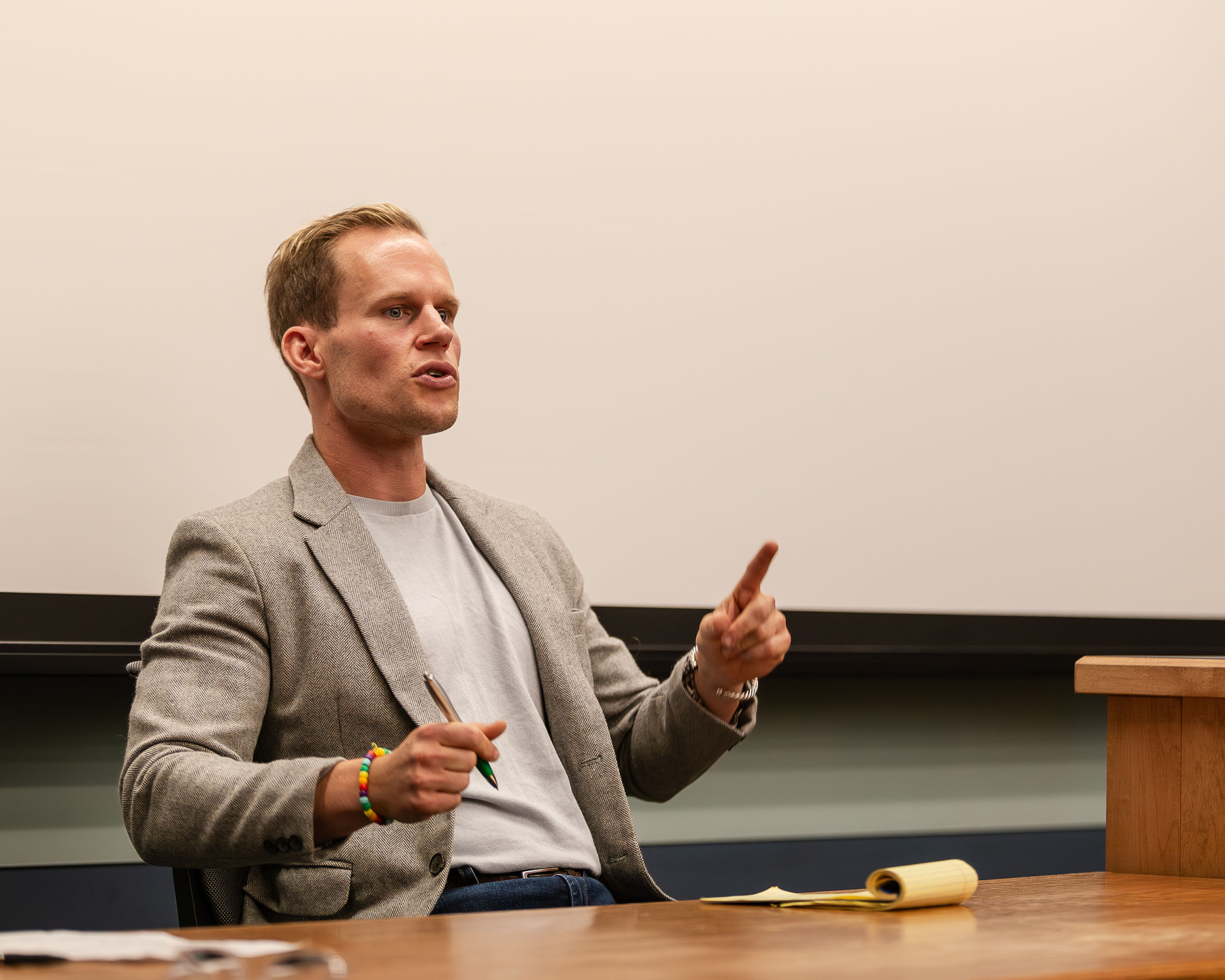
Partly that feeling came from having a lack of role models or individuals he could speak to and ask questions. Things have changed for the better in that regard, and Knudsen wants to be the person he wanted to see as a younger person, a role he stepped into on a recent trip to campus to speak with Outlaw and the Leadership Project.
“I always feel a responsibility to lift up voices, and I’m pumped to be getting more involved,” he said.
Though he’s not one to plan too far in advance, it seems safe to presume that Knudsen has already become a great role model for students at Illinois and whatever comes next in his exciting career is going to be worth watching.