MIT Technology Review quotes Sherkow on restoring the woolly mammoth

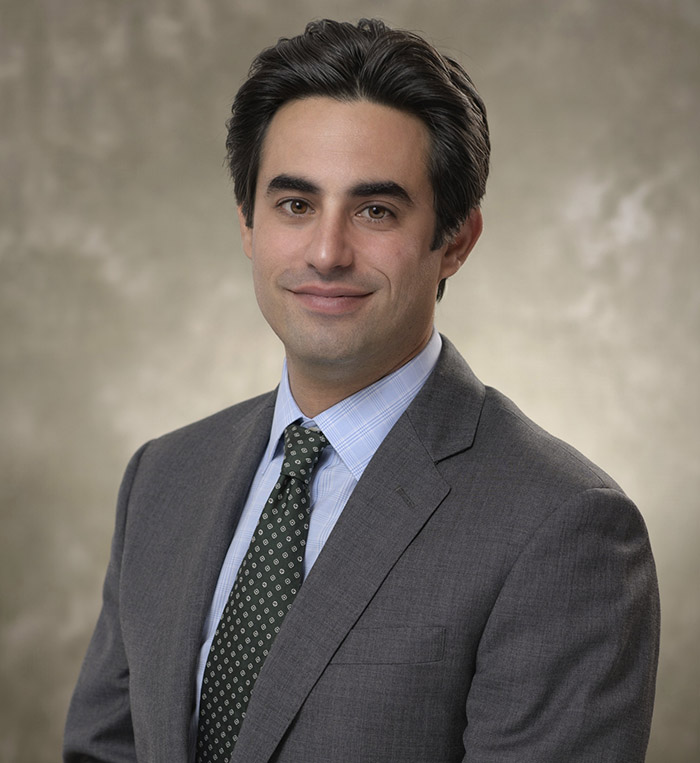
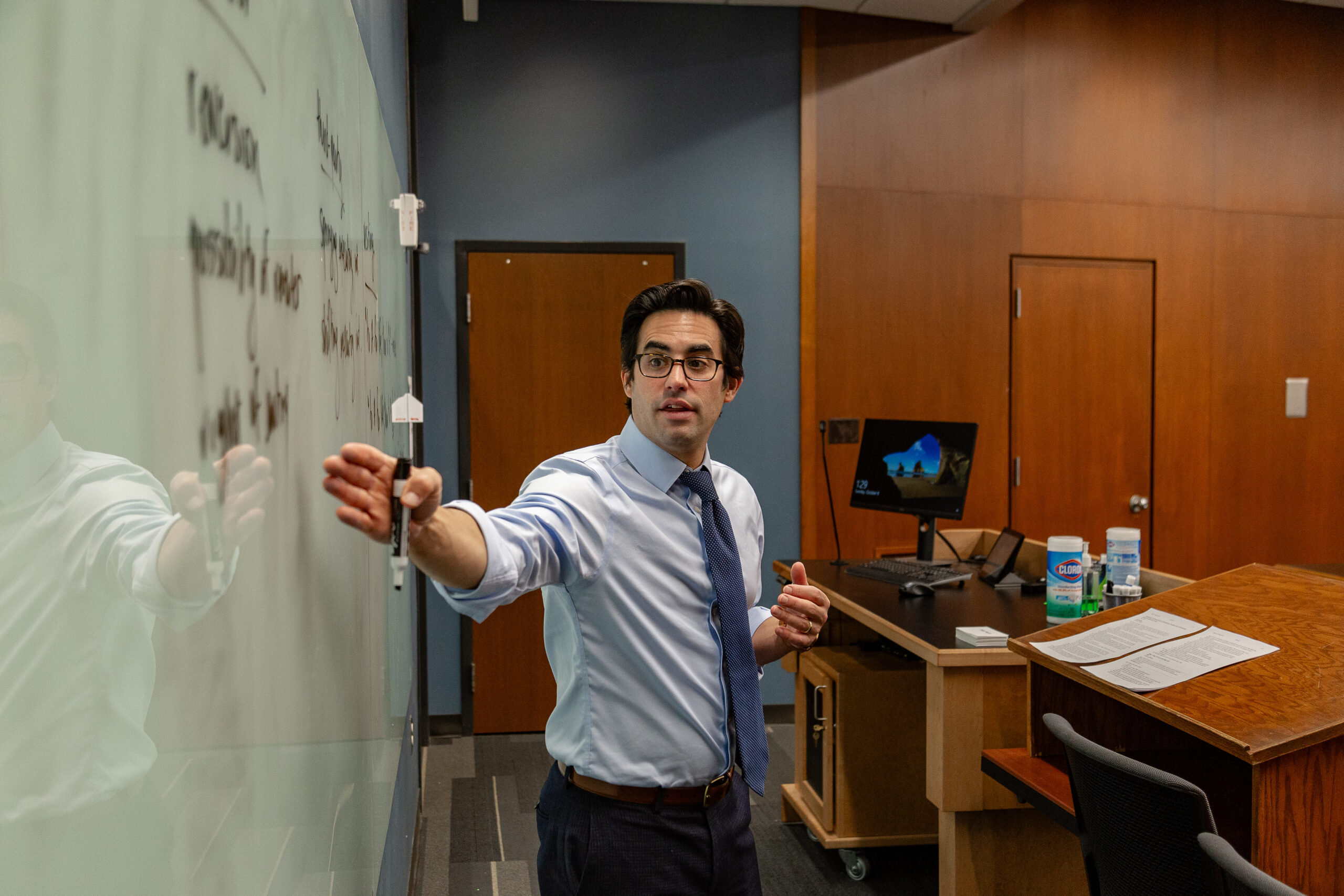
Colossal Biosciences is making headlines with its bold initiative to bring back the woolly mammoth, but the venture raises significant ethical and legal questions. Professor Jacob Sherkow is quoted in a new article from the MIT Technology Review about the complexities surrounding intellectual property in de-extinction efforts. He notes that while natural animals cannot be patented, genetically modified organisms might be, leading to debates about ownership and commercialization of revived species.

Federal privacy laws protecting consumer data are necessary, Gerke says

The bankruptcy of the genetic testing company 23andMe has raised a number of issues, but one specifically prudent issue is the lack of legislation preventing the sale of customers’ data due to financial exigencies. Speaking with the Illinois News Bureau, Professor Sara Gerke explained why this issue is significant. “Companies like 23andMe are sitting on a massive treasure trove of personal information because when people initially signed up, they thought, ‘Well, I’m getting something out of this transaction’ without thinking about the possibility that the company would ever go bankrupt at some point in the future and potentially offload their dataset,” she said. “That’s just one example, but we are in a world awash in big data, and it’s not a problem that’s limited to 23andMe.”

Gerke organizes Life Sciences AI Summit

Professor Sara Gerke was co-organizer of the Life Sciences AI Summit – Europe, which took place March 25–26, 2025, in Brussels, Belgium. The conference covered the ways in which artificial intelligence in the life sciences is affecting topics such as drug discovery and development as well as improving patient outcomes. Another important aspect of the conference was an examination of legal, regulatory, compliance, liability and ethical challenges that must be addressed to ensure responsible, safe, and effective use of AI technologies.

Heald speaks at University of Glasgow

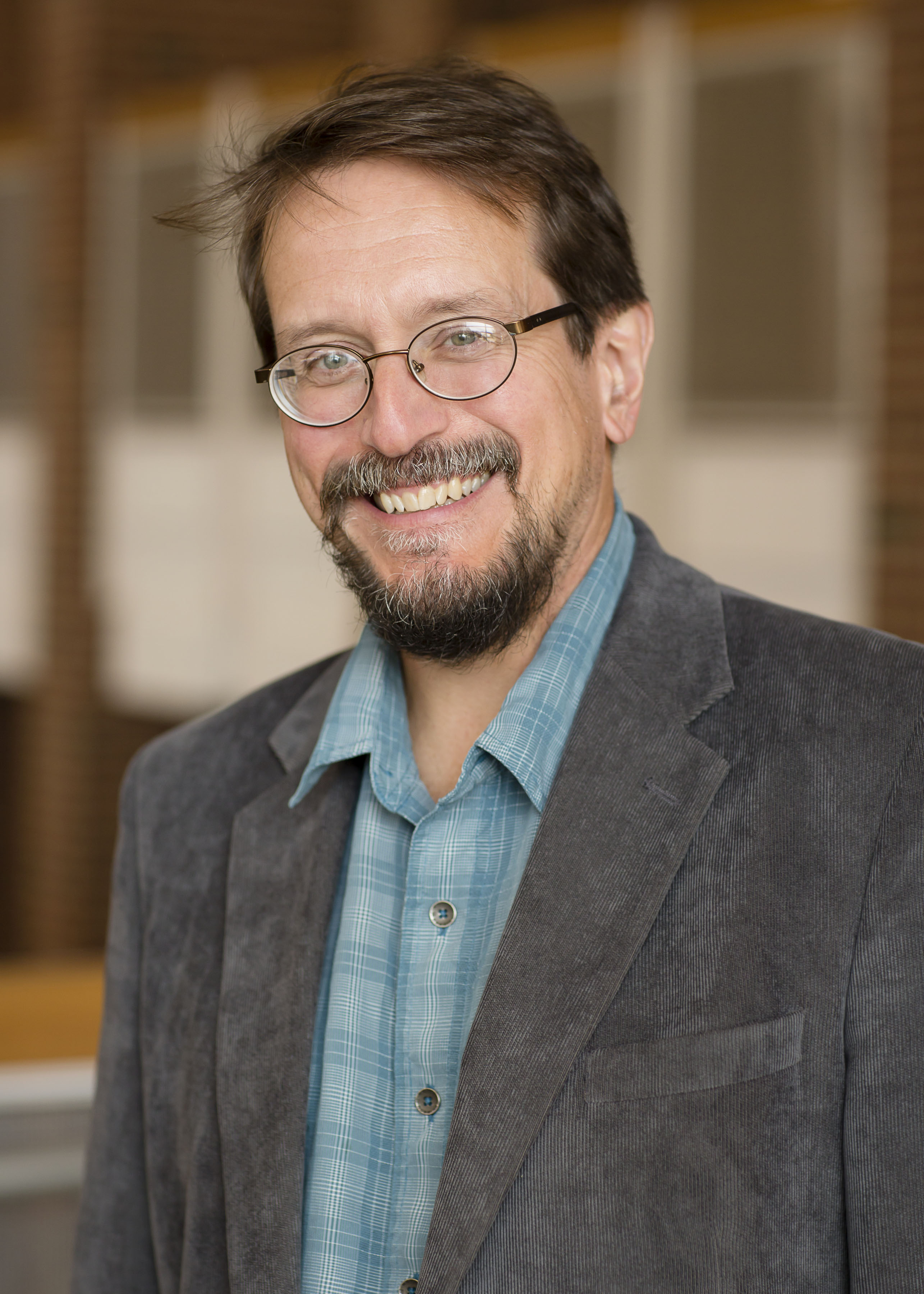
Professor Paul Heald delivered a lecture on Recent Empirical Research in Intellectual Property Law at the University of Glasgow on March 17. Part of their CREATe series of public lectures, Professor Heald discussed successes and failures in recent research projects and highlighted advances in methodology made by various researchers in empirical approaches to copyright, patent, trademark, and trade secret law that have proliferated over the last decade.

Gerke publishes co-authored article in New England Journal of Medicine

If 23andMe goes bankrupt, what happens to their millions of customers’ personal and genetic data?

Sara Gerke, Melissa B. Jacoby, and I. Glenn Cohen explore this issue in a new article published on March 2 in the New England Journal of Medicine, titled “Bankruptcy, Genetic Information, and Privacy — Selling Personal Information.”

The data are not protected by HIPAA, the authors note. The U.S. has no comprehensive federal privacy laws (and handful of overlapping, conflicting state laws.) Sure, Congress could pass consumer protection laws, but “it has been difficult to get large-scale privacy reform through Congress.”

Indeed, as the authors note, 23andMe’s privacy statement “reserves the company’s right to transfer customers’ personal information in the event of a company sale or bankruptcy.”

Basically, Gerke, Jacoby, and Cohen argue, little is stopping this data (potentially 14 million consumers’ worth) from being sold to the highest bidder.

Conclusion: “We believe it’s time to reconsider how [genetic information] data are regulated.”

Sara Gerke is an associate professor at the University of Illinois Urbana-Champaign College of Law. Melissa B. Jacoby is a law professor at the University of North Carolina at Chapel Hill. I. Glenn Cohen is a Harvard Law professor and faculty director of the Petrie-Flom Center for health law policy, biotechnology, and bioethics at Harvard Law School.
Forthcoming paper by Sherkow focuses on drug labels

A drug label is a vital piece of information in patent cases, but a series of recent decisions from the U.S. Court of Appeals for the Federal Circuit have changed how the court assesses claims. In a forthcoming article in the Stanford Law Review, Professor Jacob Sherkow calls this new confusion over labels “infringement by label.” In the paper, Sherkow and his co-author examine unresolved questions in patent law and return pharmaceutical patent litigation to factual and doctrinal basis.

Sherkow talks about Myriad’s importance a decade later

Association for Molecular Pathology v. Myriad Genetics, Inc. was a cultural phenomenon when the Supreme Court’s ruling was issued, with the outcome taking a place on the front-page of most major newspapers in the United States. Reflecting more than 10 years on from the decision, however, Professor Jacob Sherkow tells the Carl R. Woese Institute for Genomic Biology that the Myriad decision ended up having little impact on biotechnology research. 

Nature quotes Sherkow on researcher who treated her own cancer

Self-treatment is a risky and controversial choice, as detailed in a new Nature article about a cancer researcher who decided to do research and treat her own breast cancer. In the article, Professor Jacob Sherkow is quoted about the dangers of publishing this kind of work; his comments are also included in a story for Futurism.

Read both the Nature article and the Futurism article online.

Illinois LawCast: Get to know Bill Watson and Sara Gerke

In this episode, our newest faculty members, Bill Watson and Sara Gerke, sit down to discuss their path to Illinois Law, their specialties, and how they are enjoying their time at the College of Law thus far.

If you have comments or suggestions for the podcast, please contact podcast@law.illinois.edu.

SSRN features Q&A with Gerke

Professor Sara Gerke was recently featured on the SSRN blog, discussing her extensive research. As part of their “Meet the Author” series, Gerke participated in a question and answer session covering her research on the ethical and legal challenges of artificial intelligence and big data for health care and health law in the United States and Europe. She shared some of her background and much about her research in the interview.

College of Law
504 East Pennsylvania Avenue
Champaign, IL 61820
(217) 333-0931