Kar publishes new article in Harvard Journal of Law & Technology

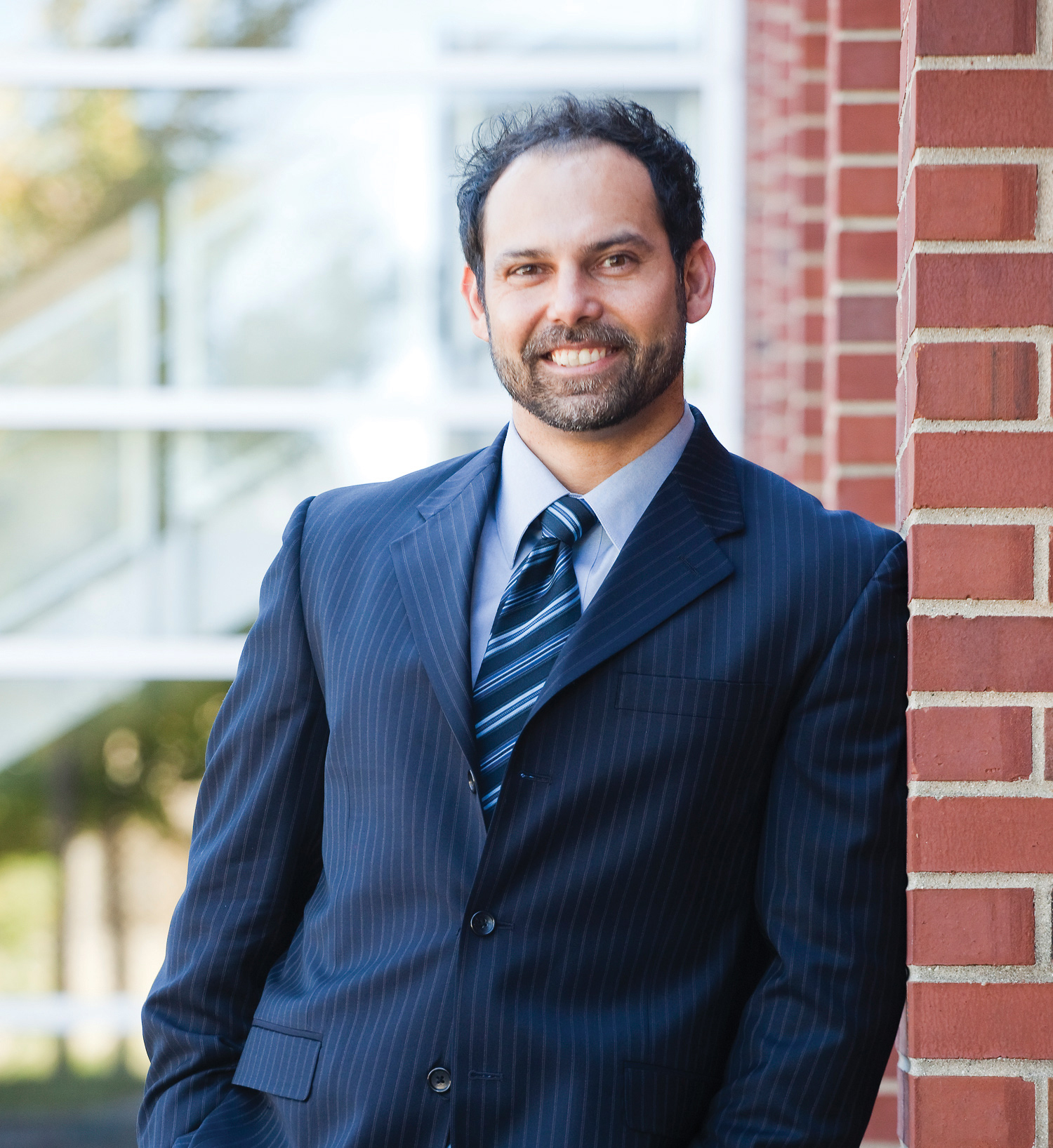
Professor Rob Kar has published “The Contractual Death and Rebirth of Privacy” in the Harvard Journal of Law & Technology. Co-authored with Xiaowei Yu, the abstract follows:

This Article proposes, for the first time, the application of “shared meaning analysis” — a method of contract interpretation grounded in traditional contract principles, as developed in Pseudo-Contract and Shared Meaning Analysis, 132 HARV. L. REV. 1135 (2019) (“PseudoContract”) — to online privacy policies. The method identifies when policy text adds enforceable terms to a contract, as opposed to mere unenforceable boilerplate, addressing an underappreciated paradigm slip in contract law that is enabling widespread digital surveillance. Consumers routinely click “I agree” to online privacy policies — which purport to permit cookies, other tracking devices (like pixels and SDKs), and AI-driven data analysis — without reading or comprehending their text, leading to massive transfers of personal information that erode privacy, facilitate consumer and political manipulation, and threaten freedom and democracy. Critiquing the binary debate over whether online privacy policies are contracts at all, this Article argues for a more nuanced reform: courts, operating within their common law authority, should revive privacy by focusing contract interpretation on the shared meanings of any contracts over privacy formed in digital contexts. Through examples involving policy scope, unilateral modifications, and conflicts between shared meaning and deceptive boilerplate, this Article demonstrates how contract interpretation — once returned to its rightful focus on shared meaning — can be used to counter modern surveillance harms without requiring new legislation, complementing other privacy frameworks and restoring the proper moral relationship between contract and privacy.

New paper from Gerke: FDA needs to develop labeling standards for AI-powered medical devices

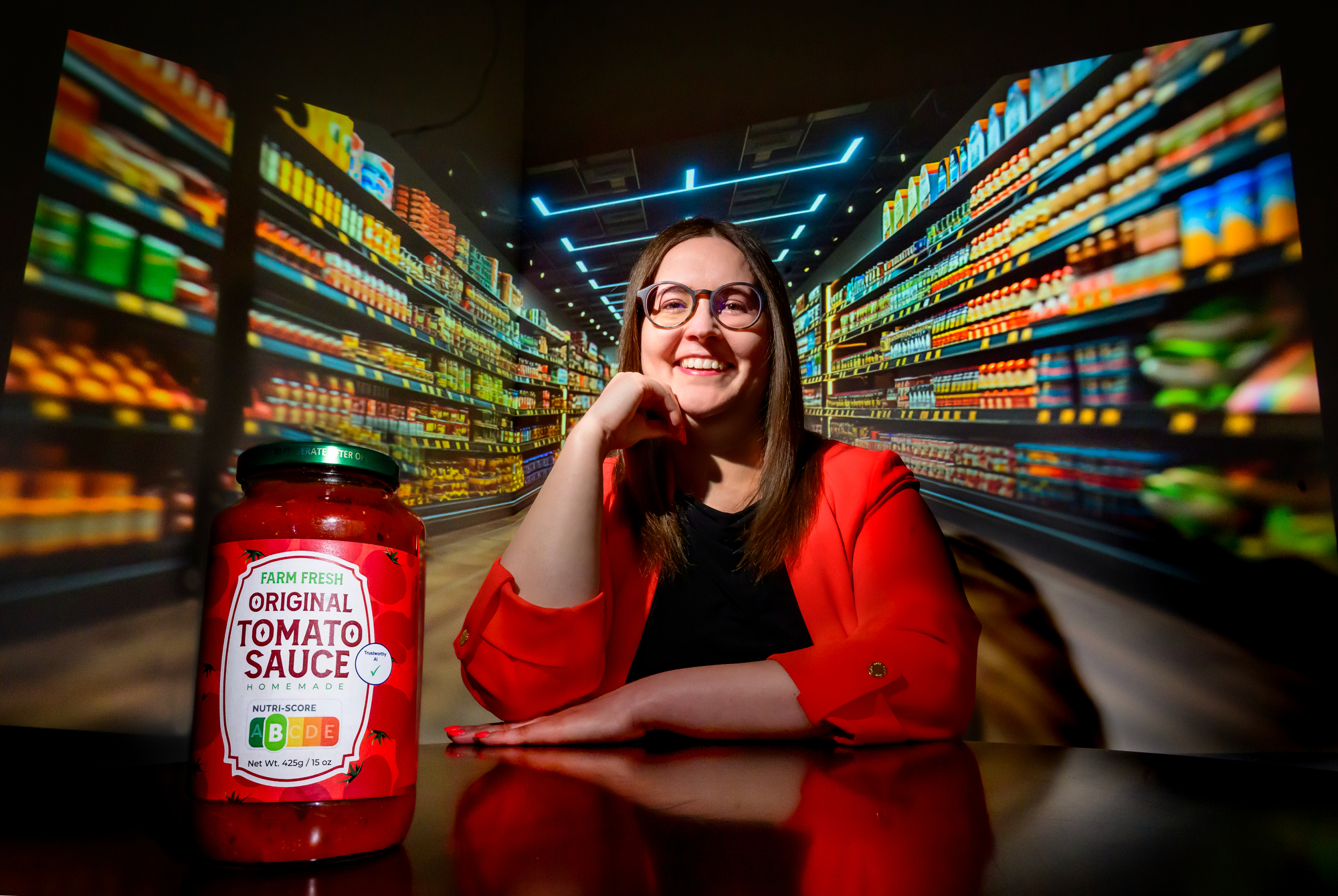
The regulatory framework for artificial intelligence-based medical devices needs to be improved to ensure transparency and protect patients’ health, says Sara Gerke, the Richard W. & Marie L. Corman Scholar at the University of Illinois Urbana-Champaign and expert in the ethical and legal challenges of artificial intelligence for health care. Gerke argues that the Food and Drug Administration should prioritize the development of labeling standards for AI-powered medical devices in much the same way that there are nutrition facts labels on packaged food. 

Gerke spoke to the Illinois News Bureau about her new paper, recently published in the Emory Law Journal, “A comprehensive labeling framework for AI/ML-based medical devices: From AI Facts labels to a front-of-package AI labeling system — Lessons learned from food labeling.”

The College of Law welcomes Eric Baudry and Sarah Lawsky to faculty

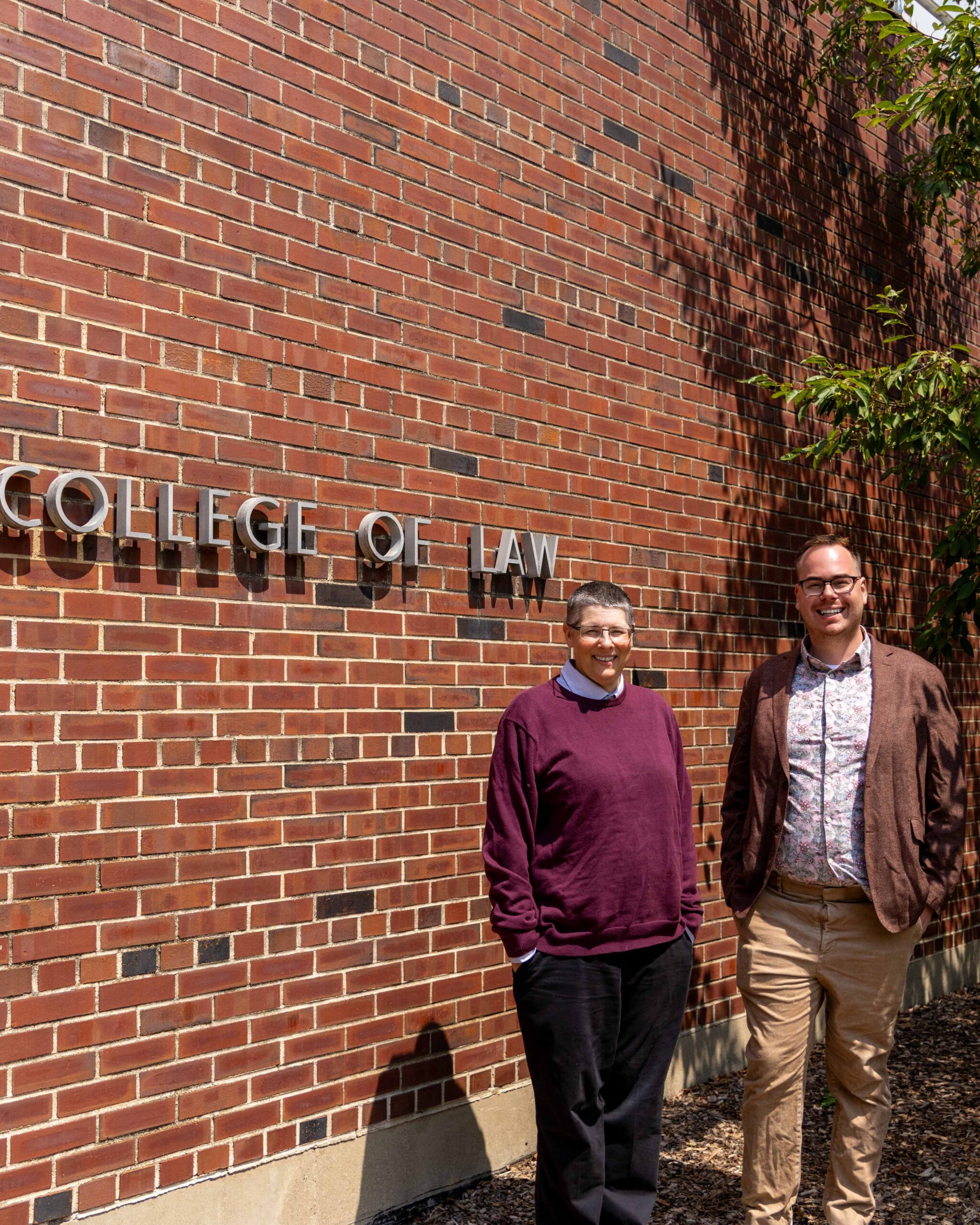
The University of Illinois College of Law is proud to welcome Eric Baudry and Sarah Lawsky as new faculty members this fall. Baudry joins as an assistant professor of law with a specialty in tax law, poverty, and redistribution; Lawsky will serve as the L.B. Lall and Sumitra Devi Lall Professor of Law and the co-director of the Innovation Law and Technology Program.

“I’m really excited about joining the law school here because of the vibrant intellectual life among the faculty,” Lawsky said. “The University of Illinois is such an incredible institution, and the opportunity to do interdisciplinary work here at the law school with the other parts of this university is really exciting.”

Lawsky comes to Illinois having previously taught at George Washington University Law School, UC Irvine School of Law, and, most recently, at Northwestern Pritzker School of Law. Her work focuses on computational law, with a focus on formal methods and the formalization of tax law. As part of the Innovation Law and Technology Program, she hopes to continue her work in conjunction with experts from the Siebel School of Computing and Data Science and the School of Information Sciences as well as others. At the College of Law, Lawsky will be teaching contracts and federal income tax courses, aiming to meet the existing high standards of the law school.

“Illinois has an amazing tax professor in Dick Kaplan, who’s terrific. My goal is to try to match the very high level of quality of tax instruction that he has established,” she said.

Also an expert in tax law, Baudry comes to Illinois Law with experience as a clerk in the Eastern District of Michigan and the Ninth Circuit, a Skadden Fellow at Mid-Minnesota Legal Aid, and a faculty fellow at the University of Michigan Law School. He will teach income taxation, corporate taxation, and a seminar on the intersections of taxation and poverty.

“I’m interested in planting roots in this community, both as a person who lives in Champaign and as a tax scholar who cares about inequality in our community. Specifically, I’m interested in how residents experience impoverishment and how our local and state governments can use tax law as a vehicle to help improve the lives of their citizens” Baudry said. “My long-term goal as a professor would be to bring that work into the law school.”

Both Lawsky, who has spent the last nine years at Northwestern, and Baudry, a native Minnesotan, expressed their excitement to be a part of Illinois Law and the local community. Having a son in the state university system gave Lawsky an idea what to expect, and she says she’s eager to “learn what it means to be a part of the University of Illinois system.” Baudry shared his enthusiasm to talk to students, alumni, and faculty about his professional expertise as well as his personal passion for games.

“Getting to know the faculty and the staff and the spaces at Illinois Law, I immediately felt like this is a place that would push me to be my best, while also offering fantastic resources and supports for my journey to get there,” he said.

The College of Law is pleased to welcome Baudry and Lawsky to the faculty and looks forward to their accomplishments as part of the University of Illinois.
Sherkow cited extensively in blog post on drug labels

In an analysis of a brief expected to be filed in the fall, the Patently-O blog cites the work of Professor Jacob Sherkow extensively in examining the ‘label-plus’ theory of inducement. This framework establishes that a generic drug’s label by itself cannot violate patent protections because of a congressionally authorized regulatory scheme. Sherkow’s work, in particular, helps illuminate the distinction between regulatory and factual speech in the particulars of the case at issue.

Sherkow presents at ATRIP Congress in Copenhagen

In June, Professor Jacob Sherkow traveled to Denmark to present his work, “Patent Eligibility, Secure Computing, and Genomic Data Sharing,” at the ATRIP Congress at the University of Copenhagen. His presentation took place on Monday, June 23, as part of the Intellectual Property & Justice: Balancing Frameworks in Patent Law portion of the conference.

Sherkow quoted in article on polygenic testing startups

Polygenic testing startups offer consumers the chance of a “superbaby” by screening for genetic disorders and allowing parents to select certain embryos for fertilization; however, the ethics and the science of this practice are very controversial. Speaking to The San Francisco Standard, Professor Jacob Sherkow added his expertise on the issue. “[These companies] claim to have a proprietary algorithm, which, in reality, is a total black box,” he said. “If they are not completely accurate, consumers may make adverse health choices on the basis of misinformation.”

Gerke publishes article on 23andMe in BMJ

One of the most concerning aspects of genetic testing company 23andMe filing for Chapter 11 bankruptcy, Professor Sara Gerke writes in a new article published in BMJ, is the range of information the company holds. Along with her co-authors, Gerke explores the issues presented by the genetic information, such as from saliva samples, self-reported health and personal information, biometric information, and other basic information controlled by 23andMe. They argue customers made a deal to share information, at some privacy risk, in exchange for potential ancestry and health-related insights, but that does not absolve the company from protecting privacy in bankruptcy.

Sherkow presents research at Cambridge

Professor Jacob Sherkow recently had the chance to present his research, “A Sociotechnical Approach to Genomic Data Security: A Comparative Legal Analysis,” to the Law, Medicine and Life Sciences group at the University of Cambridge Faculty of Law. In addition to his position at the College of Law, where he serves as director of the Intellectual Property and Technology Law Program, Sherkow also holds appointments at the at the Carle Illinois College of Medicine, the European Union Center, and the Carl R. Woese Institute for Genomic Biology. He is a leading expert on IP protection for genome-editing technologies, such as CRISPR.

Multiple outlets quote Sherkow on CRISPR patent dispute

The US Court of Appeals for the Federal Circuit ruled in May that the key patents on what many consider the defining biotechnology invention of the 21st century should be reconsidered. Jennifer Doudna and Emmanuelle Charpentier shared a 2020 Nobel Prize for developing the versatile gene-editing system CRISPR; however, the key patent rights were granted Feng Zhang of the Broad Institute of MIT and Harvard in 2014. The rights have been contested since, and the appeals court ruling officially opens the question of ownership anew. Our intellectual property expert, Professor Jacob Sherkow, was quoted in multiple outlets about the dispute and what it means.

Gerke co-authors paper on pulse oximeters in JAMA

Pulse oximeters are known to be less accurate for patients with darker skin, but manufacturers have not changed their design or included a warning label disclosing this information. A recent settlement and guidance from the FDA could prompt changes in the market, however. In a new paper published in JAMA, Professor Sara Gerke and her co-authors examine how these developments could solve problems and where issues may still exist.

College of Law
504 East Pennsylvania Avenue
Champaign, IL 61820
(217) 333-0931