Wilson takes part in MLK Jr. Day panel

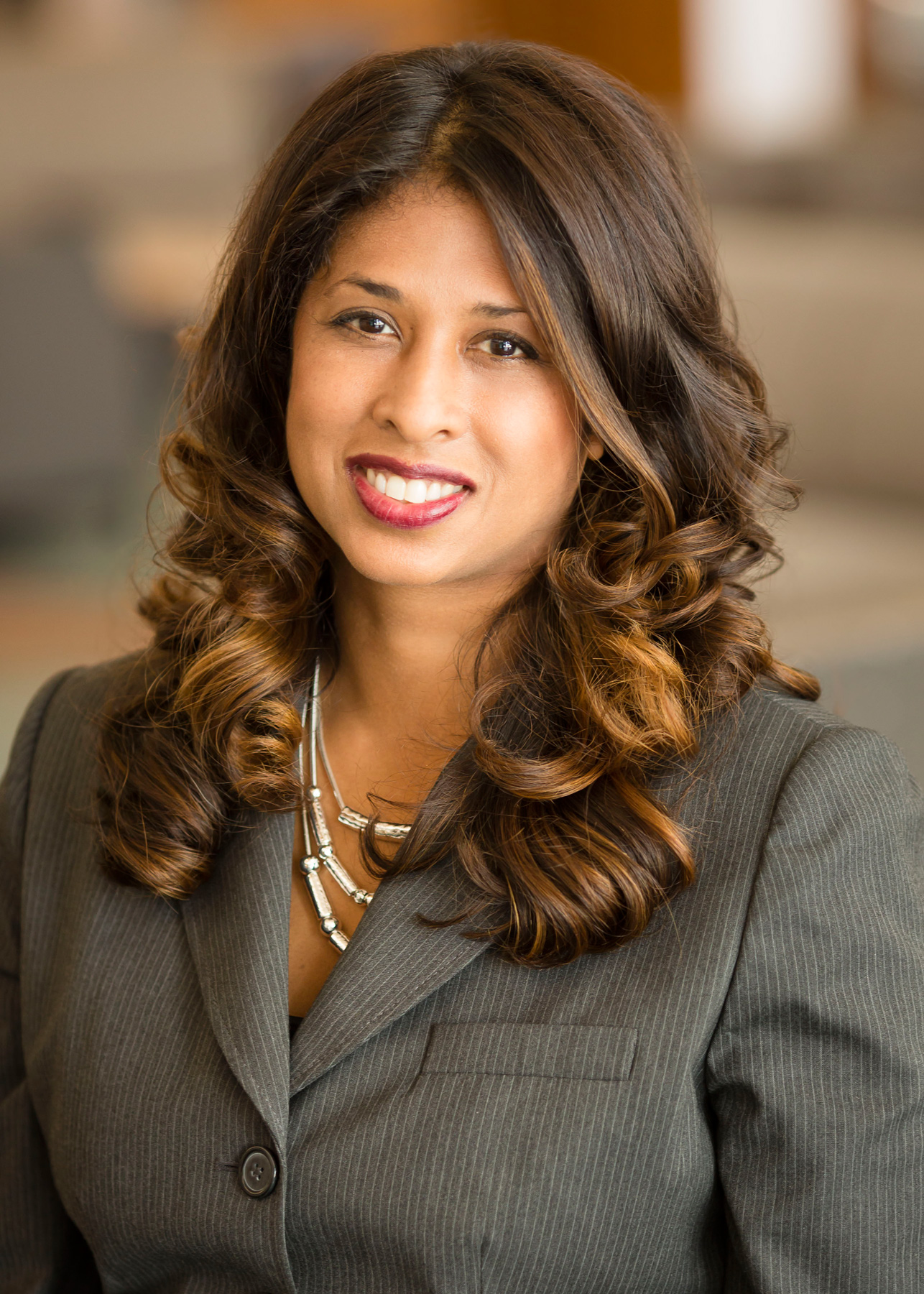
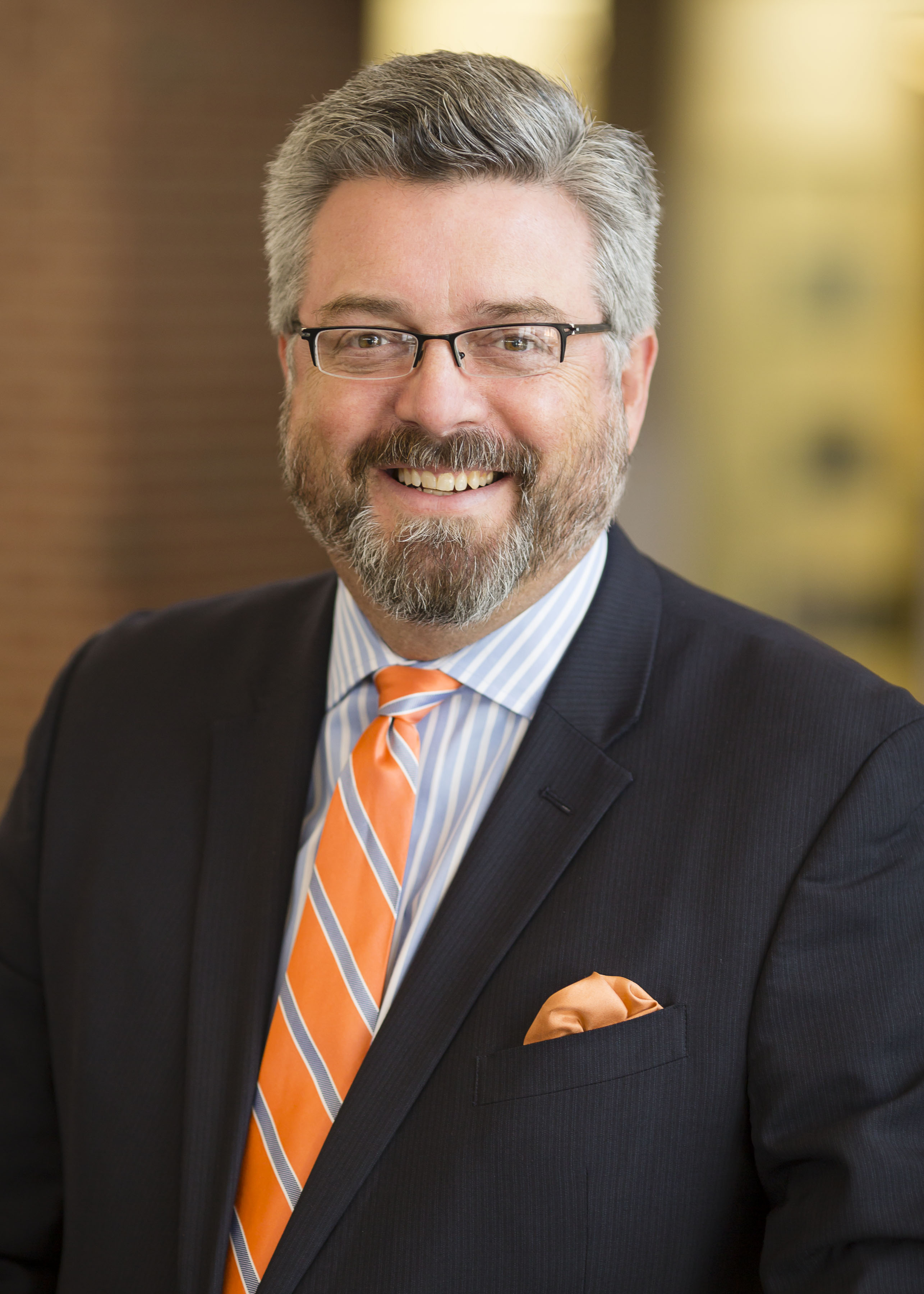
As part of the observance of Martin Luther King Jr. Day this year, Professor Robin Fretwell Wilson took part in a panel discussion arranged by the Illinois Department of Corrections Kewanee Life Skills Re-Entry Center. The event was put on in partnership with Wilson’s Tolerance Means Dialogues organization, which aims to bring together students and thought leaders to find more constructive approaches to living together in a pluralistic society. The panel was moderated by Jacquelyn Frank, professor of Human Services and Aging Studies at Eastern Illinois University, and also included Shannon Minter, director of the National Center for Lesbian Rights. The event also included an essay writing competition for members of the Kewanee Life Skills Re-Entry Center.

Sports Illustrated quotes N. Sharpe on NCAA transfers

Transfer rules and the changes to those rules have played an outsized role in college athletics in recent years. The federal government joining 10 states and the District of Columbia in a lawsuit against the NCAA that seeks to make permanent a temporary restraining order prohibiting the governing body from imposing penalties on student-athletes that transfer more than one time. Specifically, the lawsuit alleges the NCAA “unlawfully restrain the ability of Division I college athletes to transfer to other Division I schools without loss of athletic eligibility.” At the Sports Illustrated Fan Nation site, Professor Nicola Sharpe explained that the Department of Justice taking a side in this battle means the issue is of national concern.

Read more of her remarks on the transfer case online.

Rochelle’s Daily Wire analyzes bankruptcy court ruling citing Brubaker

The strength of Professor Ralph Brubaker’s scholarship provided “considerable force” in the mind of Bankruptcy Judge J. Craig Whitley of Charlotte, N.C., and he cited Brubaker’s work extensively when denying a motion to dismiss a pair of “asbestos” chapter 11 cases where the family of companies could pay $250 million in current and future liability. In Rochelle’s Daily Wire from the American Bankruptcy Institute, the decision is analyzed and Brubaker added his own commentary. Though this case does not discuss the Purdue Pharma case before the Supreme Court, the author notes that it has overlap in bankruptcy courts not sanctioning nonconsensual, nondebtor, third-party releases.

U.S. Bankruptcy Court extensively cites Brubaker in denying Texas Two-Step ploy

In late December 2023, U.S. bankruptcy court in North Carolina denied motions to dismiss the Texas Two-Step mass-tort bankruptcy cases of entities created to resolve the asbestos liability of the Trane companies. This type of maneuver involves splitting a company into two, moving the liabilities to one company, and then seek bankruptcy protections to absolve that company of liability. In the opinion (pages 32-39) denying the Trane companies the ability to execute this maneuver, the bankruptcy court extensively cites to and quotes from three of Professors Brubaker’s articles on the subject: (1) “The Texas Two-Step and Mandatory Non-Opt-Out Settlement Powers,” in the Harvard Law School Bankruptcy Roundtable; (2) “Assessing the Legitimacy of the ‘Texas Two-Step’ Mass-Tort Bankruptcy,” in the Bankruptcy Law Letter; and (3) “Mandatory Aggregation of Mass Tort Litigation in Bankruptcy,” in the Yale Law Journal Forum.

End of eviction moratoria did not increase renter anxiety, new report from Mazzone and Wilson finds

When the COVID-19 pandemic disrupted life in unprecedented ways, one of the most consequential was the suspension of eviction hearings and moratorium on evictions imposed by the CARES Act. When evictions proceeded again, many predicted a housing crisis would follow, but this was not borne out in Census Bureau survey data from 2020 through 2023, Likewise, anxiety about eviction among renters never reached levels feared and has fallen as the moratoria recede into history. Professors Jason Mazzone and Robin Fretwell Wilson explore these findings in a new Policy Spotlight.

Read the full PDF on the Institute of Government and Public Affairs website.

Shapiro talks campus free speech with Illinois News Bureau

When it comes to speech, “There is legal freedom and there is practical freedom,” Professor Lena Shapiro explained. The director of the First Amendment Clinic explained how the freedoms related to speech in the United States are applied on college campuses, especially in the wake of the October 7 attacks in Israel and the ensuing war. “Most expressions commonly identified as “’hate speech’ are protected by the First Amendment and cannot lawfully be censored, punished or unduly burdened by the government – including by public colleges and universities,” she said.

Sherkow speaks at workshop in Tasmania

Professor Jacob Sherkow was invited to speak at the “Regulation of Innovative Health Technologies Workshop,” which took place at the leading Centre for Law and Genetics, University of Tasmania, from November 23-25, 2023. As part of the workshop, Sherkow was the organizer of a session examining patents as regulators of innovative health technologies. The international workshop was attended by leading global health regulation and intellectual property rights scholars to discuss issues at the cutting edge of how we develop, regulate and deliver access to innovative health technologies.

Approval of CRISPR therapy may soon lead to lawsuits according to Sherkow

“I would be surprised, bluntly, if [a lawsuit] does not get filed by the end of this year,” Professor Jacob Sherkow told Politico about the patent battle over CRISPR technology. When the FDA issued approval for the therapy in sickle cell cases, it granted approval to companies that do not hold licenses for CRISPR. As Sherkow explained, the Broad Institute holds the U.S. patent on editing human cells with CRISPR and can sue companies that don’t have licenses for their patents for infringement as soon as a new product comes on the market, which is certain to happen following FDA approval. 

Brubaker tells Bloomberg decision in Purdue Pharma case may have wide implications

In the pending U.S. Supreme Court case regarding Purdue Pharma’s litigation shield for the Sackler family, the decision of the Court could impact widely used non-debtor releases in Chapter 11 bankruptcy cases. Professor Ralph Brubaker suggested to Bloomberg Law the ruling might affect cases involving mass torts, including cases involving the Catholic diocese, Boy Scouts, Rite Aid, and Highland Capital. The decision’s implications may also extend to asbestos-related bankruptcies and the use of non-consensual third-party releases under Section 524(g) of the bankruptcy code.

Second Circuit cites Brubaker in recent decision

Ruling in the case Nine West LBO Securities Litigation, the United States Court of Appeals for the Second Circuit cited Professor Ralph Brubaker’s work on safe harbor rules in the Tax Equity and Fiscal Responsibility Act of 1982. The case revolved around the leveraged buyout of an apparel and footwear company, including brands such as Nine West and Anne Klein, and the later bankruptcy filing of the company’s successor. The Second Circuit determined, based on Brubaker’s scholarship, that payroll transfers made by the company that filed for bankruptcy were not covered under the safe harbor rules and vacated the lower court’s decision regarding those claims. 

College of Law
504 East Pennsylvania Avenue
Champaign, IL 61820
(217) 333-0931