Rebranding the Department of Defense is a miss, Curtis writes

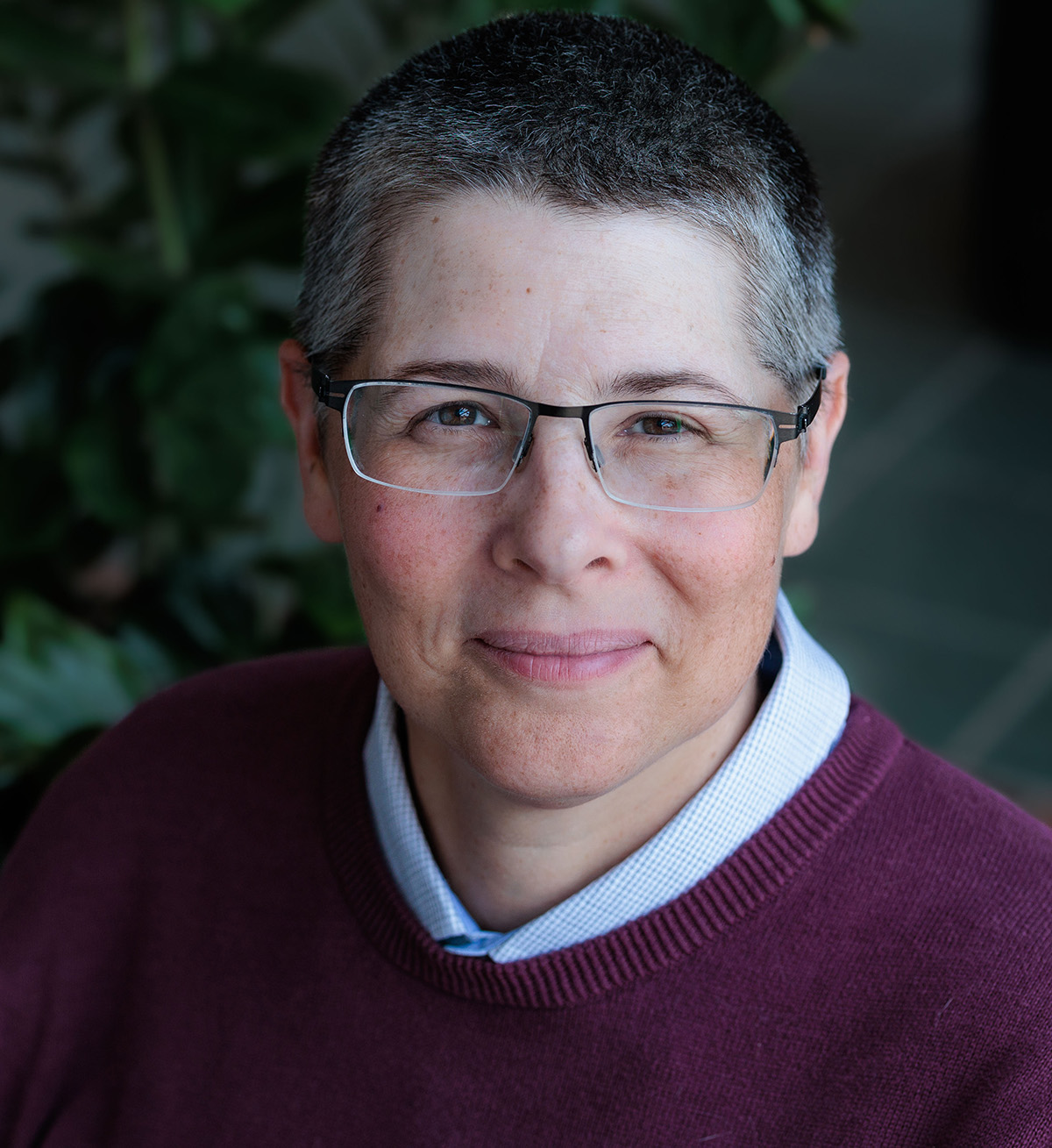
In an opinion piece written for Stars and Stripes, Professor Yulanda Curtis shares her feeling that rebranding the Department of Defense as the “Department of War” is a damaging decision. She draws on her background as the daughter of service members as well as the founder of the Veterans Legal Clinic at the College of Law to share uncommon insight into the issue. “I see firsthand the mental and physical sacrifices service members make. As the daughter of veterans, I watched my parents serve this country for decades,” she writes. “There’s a high risk our troops will experience a lasting moral injury as they are ordered to act as political instruments.”

Aronson writes op-ed about protecting immigrant students

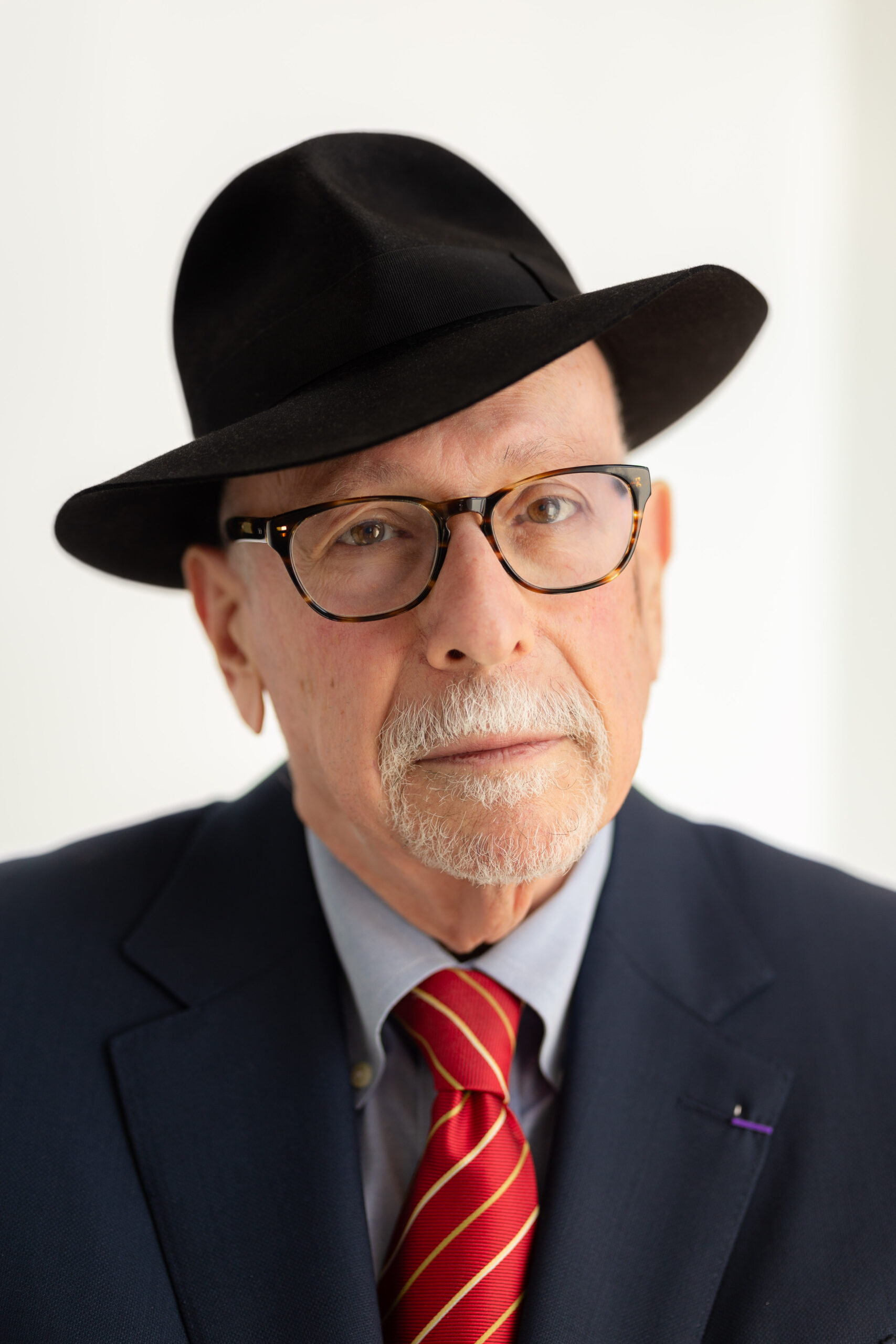
Special Immigrant Juvenile Status (SIJS) allows abused, abandoned, or neglected children a pathway for lawful permanent residence, and eventually US citizenship, once a state court judge determines they have suffered maltreatment and it was not in their best interest to return home. The Trump administration stopped considering SJIS applicants for deferred action, stating “a juvenile court determination relating to the best interest” of children is not a “sufficiently compelling” reason to protect them from deportation and allow them to legally sustain themselves while here. Writing at Common Dreams, Professor Lauren Aronson shares her view of this shift in policy.

“Many SIJS kids, like Sonia, lived their entire lives dreaming of this kind of freedom, which those of us born in the United States take for granted. They deserve, as all children do, the chance to be children,” Aronson writes.

IGPA interviews Gerke on Illinois’s ban on AI therapists

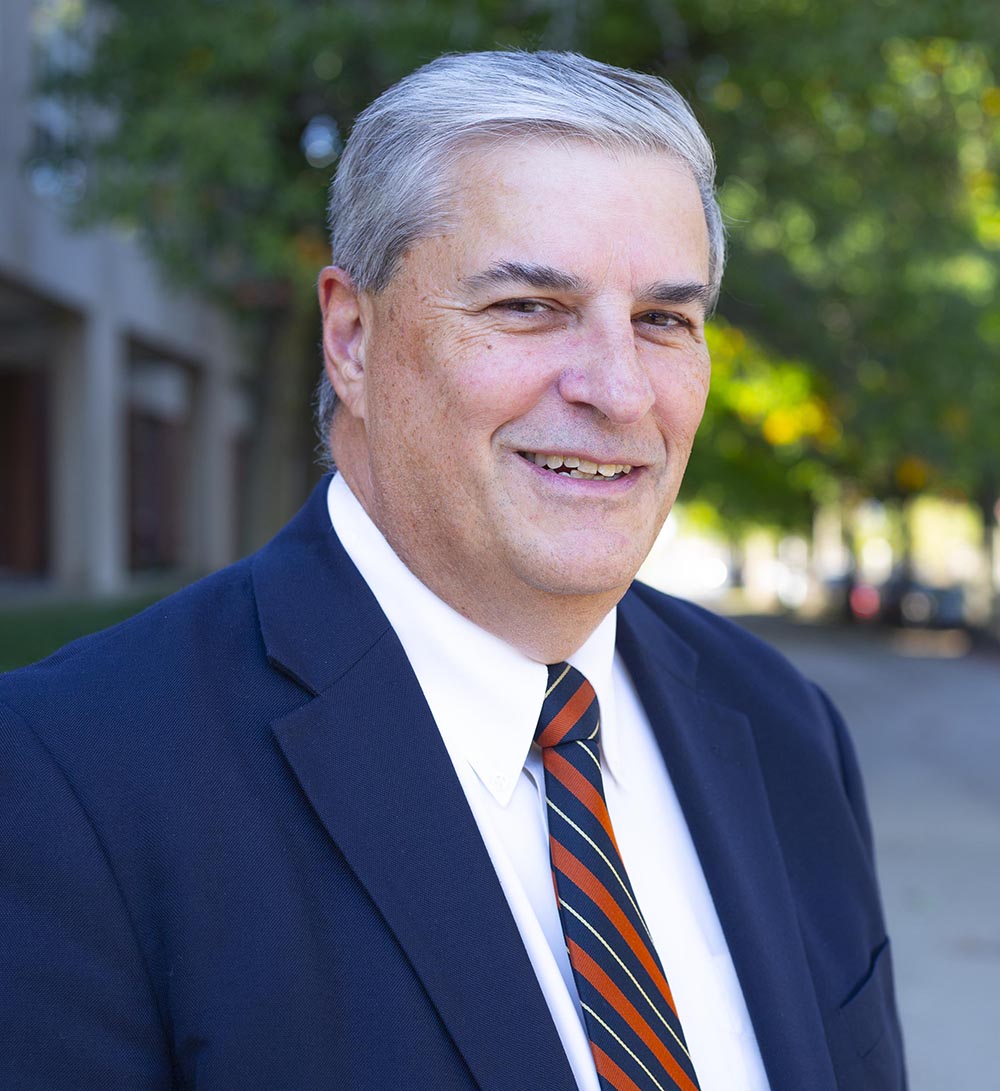
Recent legislation made Illinois the first state to enact a ban on artificial intelligence serving as mental help therapists without oversight from a licensed clinician. To add context to this development, the Illinois Institute of Government and Public Affairs spoke to Professor Sara Gerke, an expert in the ethical and legal challenges of artificial intelligence and big data for health care and health law. “The problem with unsupervised AI in mental health is that chatbots are designed to keep conversations flowing, not to ensure accuracy or safety,” Gerke explained.

Wexler and Ghiotto pen two-part series on military lawyers in civilian law

The Trump administration’s decision to use military lawyers to enforce civilian law was found to violate the Posse Comitatus Act in the Northern District of California, but the simple act of using military lawyers as prosecutors in federal courts and judges in immigration cases is alarming, write Professors Lesley Wexler and Tony Ghiotto. In a two-part series for Justia Verdict, they examine the consequences of the increasing use of the military domestically and why such use should be concerning to all Americans.

“This Administration’s…lawful, but awful policies leave us…hoping for effective political pushback from the public,” they write.

Read part one and part two on Justia Verdict.

Thomas cited in article on disappearing jury trials

Today, juries decide only about 1% of civil cases, a far cry from 1962 when juries decided about 6% of civil cases. An article examining this trend, published by The Conversation, the authors cite Professor Suja Thomas’ book “The Missing American Jury” to illustrate their point about how the trend has the effect of less fairness. “They…benefit political and economic elites by wresting away some of the power that formerly belonged to juries. The cumulative effect is fewer community judgments and more private, judicial and legislative control over outcomes,” the authors write.

AI in Cancer Surgery and Care Conference features wide range of expertise and fosters interdisciplinary dialogue

In partnership with the Cancer Center at Illinois, the University of Illinois College of Law hosted the AI in Cancer Surgery and Care Conference on September 4th and 5th, 2025.

Organized by Sara Gerke, Associate Professor of Law & Richard W. & Marie L. Corman Scholar at the University of Illinois, the conference brought together a diverse group of experts to explore the transformative impact of AI on cancer diagnosis, treatment, and surgery. Keynote addresses were delivered by Dr. Ronan Cahill (University College Dublin) and Dr. Ravi Parikh (Emory University), and panel discussions featured 17 additional speakers from within academia and the medical field. The conference facilitated dialogue across disciplines and addressed not only medical and technical breakthroughs, but also the ethical and legal implications of these innovations. 

A male speaker presents during the AI in Cancer Surgery and Care Conference
Timothy Fan, a presenter at the AI in Cancer Surgery and Care Conference, holds a microphone and speaks
Dr. Ronan Cahill delivers a keynote address during the AI in Cancer Surgery and Care Conference
A woman holds a microphone and speaks during the AI in Cancer Surgery and Care Conference
Professor Sara Gerke and other panelists enjoy a reception during the AI in Cancer Surgery and Care Conference
Dr. Rohit Bhargava delivers a keynote address during the AI in Cancer Surgery and Care Conference

Illinois LawCast: University of Illinois Athletic Director Josh Whitman

A 2008 graduate of the College of Law, Josh Whitman joins the podcast to discuss decision to pursue a law degree, his time as a student, and how he navigated his way back to Illinois and the role of athletic director. He expands on some of the challenges he faces as one of the University’s highest profile employees and how he strives to be successful and fights complacency.

About Josh Whitman:

Josh Whitman was hired as University of Illinois Director of Athletics on February 17, 2016. In his 10th year, Whitman has elevated Fighting Illini Athletics to a place among the nation’s elite programs. In 2024-25, Illinois earned a No. 31 final ranking in the Learfield Directors’ Cup, the program’s highest finish in the last 10 years, and the Illini football, men’s basketball, and women’s basketball programs all were ranked in the Top 25 at the same time. Also in 2024-25, women’s track and field recorded a pair of top-10 national finishes, volleyball returned to the NCAA Tournament for the first time since 2021, men’s golf won its seventh NCAA Regional championship, wrestling placed 10th nationally, and men’s gymnastics finished sixth. In all, 16 Illini programs participated in postseason competition. Individually, wrestler Lucas Byrd claimed the national championship at 133 lbs.

In total during Whitman’s tenure, Illinois teams have made 110 NCAA postseason appearances, finishing in the top 16 nationally 31 times, and nine student-athletes have captured 11 individual national championships. Illinois has also captured a total of 16 Big Ten titles under Whitman. Under his leadership, Illinois is amid eight consecutive fiscal years of recording more than $30 million in new gift commitments. In September, Whitman announced the largest donation in the history of the athletics program when Larry Gies contributed $100 million for the naming rights of Gies Memorial Stadium.

Whitman played four years of football at Illinois and earned two Illinois degrees: graduating with Bronze Tablet honors in 2001 while earning a bachelor’s degree in finance, and graduating summa cum laude from the College of Law in 2008. Whitman is married to Hope, and they have two children. The Whitmans are active in several Champaign-Urbana community organizations.

If you have comments or suggestions for the podcast, please contact podcast@law.illinois.edu.

Anderson and Lawless write about crypto and retirement for Bloomberg

In a new opinion article published by Bloomberg, Professors Sean Anderson and Robert Lawless explain why they believe the Trump administration’s decision to allow workers to invest retirement savings in cryptocurrency and private equity is a bad decision for the workers. “There is no reason to expect that inviting plans to offer these alternative investments will lead to better outcomes overall for participants—especially considering the higher fees and expenses that typically come with them,” they write. “But there is ample reason to think these investment options will make things worse by increasing the risk of large losses for participants, most of whom can ill afford them.”

College of Law
504 East Pennsylvania Avenue
Champaign, IL 61820
(217) 333-0931