Sherkow talks drug labels with Illinois News Bureau

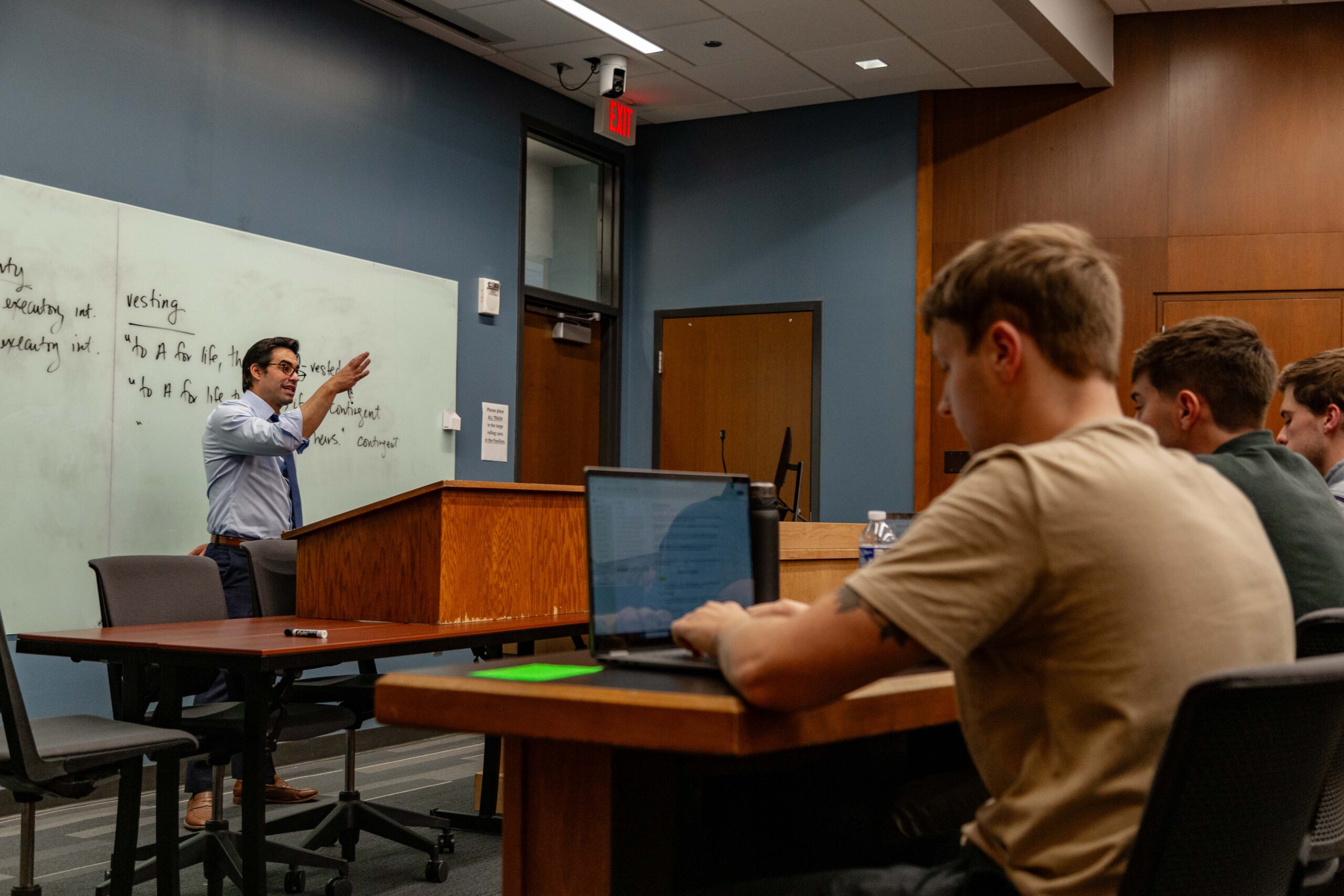
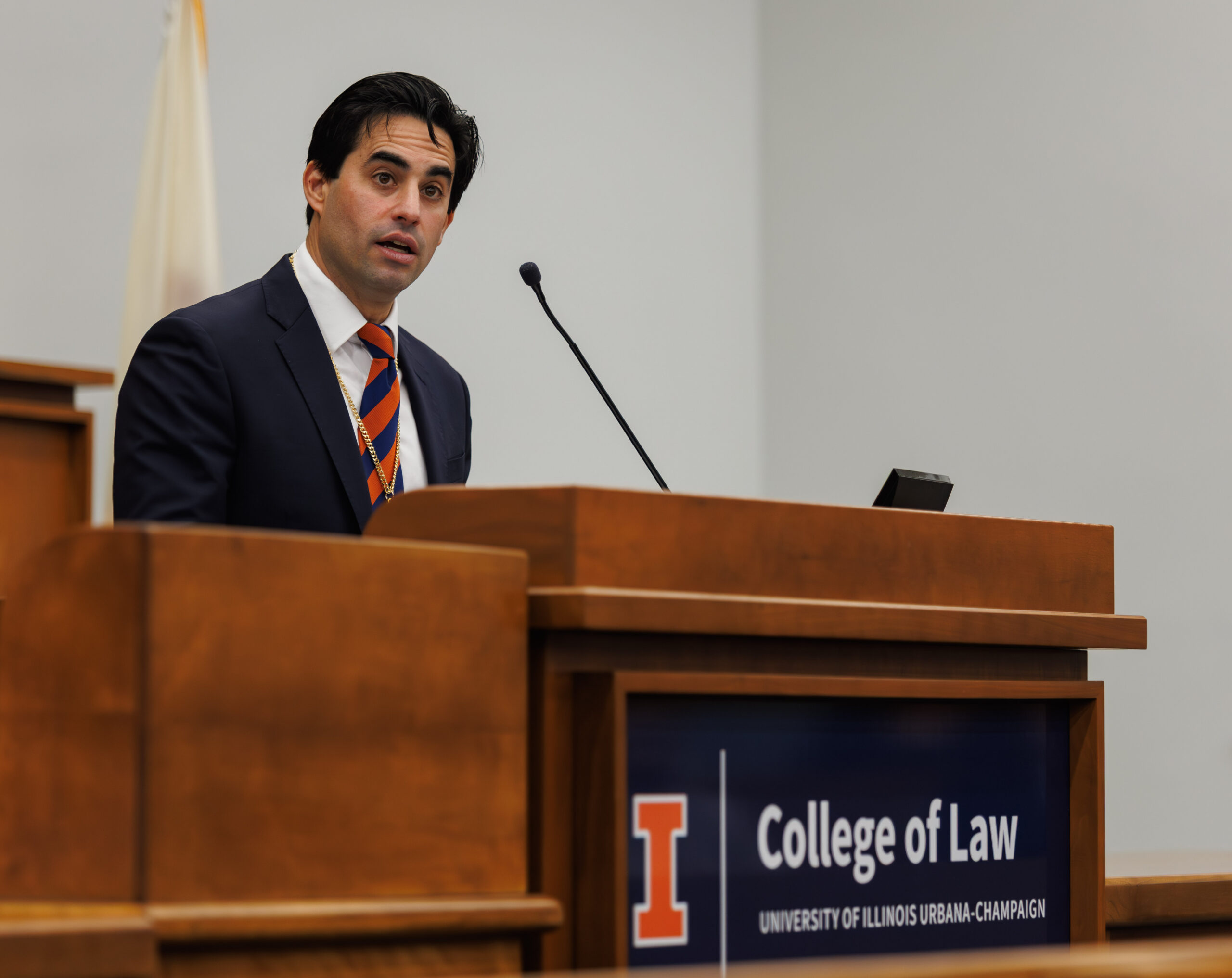
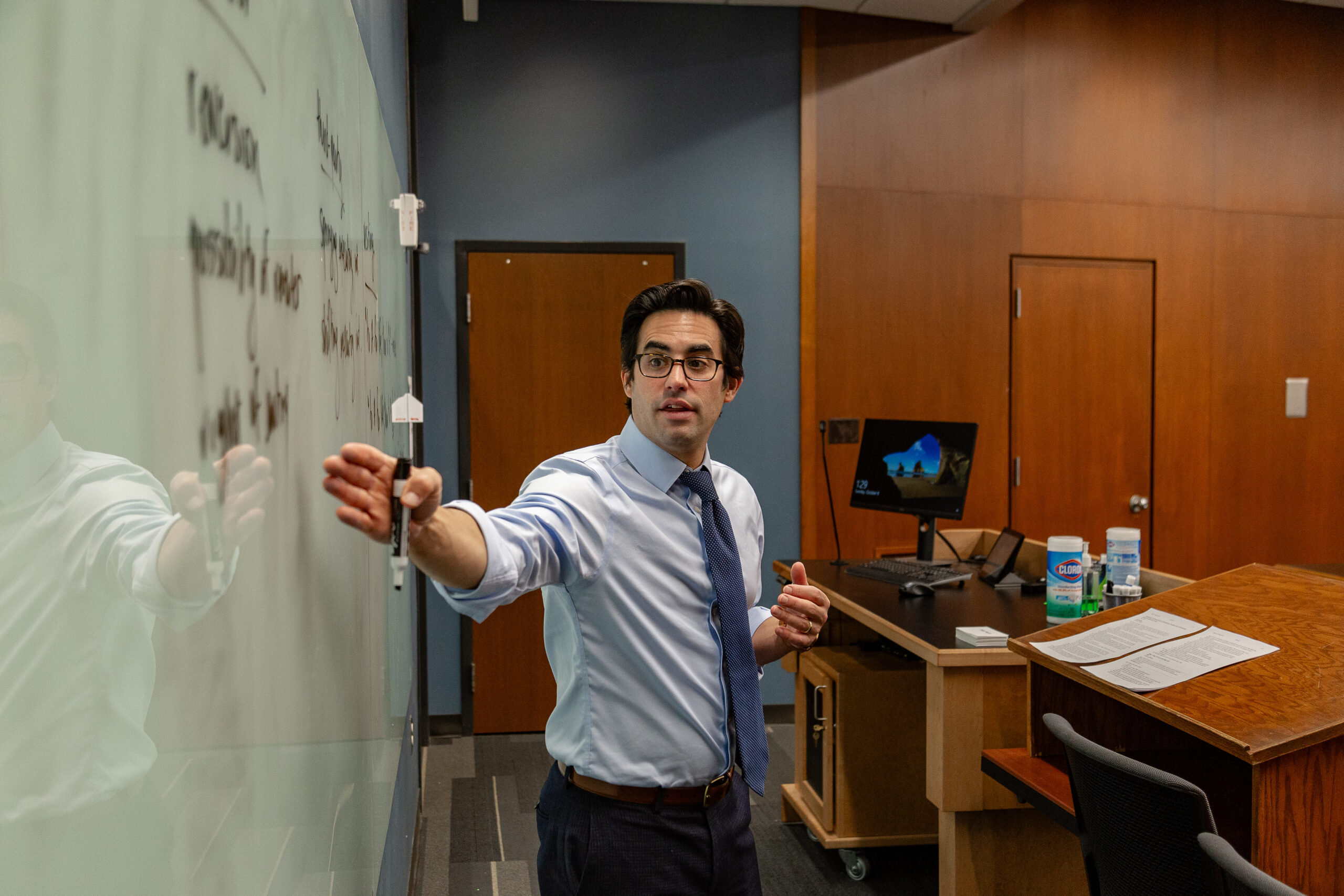
In his latest paper, Professor Jacob Sherkow argues that recent court decisions that treat safety information on a drug’s package as key evidence in patent cases against generic-drug manufacturers have been incorrectly adjudicated and should be reversed by the Supreme Court. “Those lower court decisions, which embrace a legal theory we call ‘infringement by label,’ are incorrect. It’s a fictional turn in the law that we hope the Supreme Court shuts down,” he told the Illinois News Bureau.

Sherkow quoted in Bloomberg Law on various patent lawsuits

Professor Jake Sherkow spoke to Bloomberg Law on several occasions in February, regarding patent lawsuits that are making their way through the courts.

One of the lawsuits, filed by Novo Nordisk A/S against Hims & Hers Health Inc., takes aim at the practice of drug compounding and highlights the ambiguity between the FDA’s compounding framework and US patent law. Sherkow said that the lawsuit demonstrates that compounding pharmacies and direct-to-consumer telehealth platforms have grown from “minuscule operations” into “real players” that brand-name drugmakers now view as worth targeting in patent litigation. Read more from Sherkow on this case at bloomberglaw.com.

Another lawsuit, filed by BioNTech SE against Moderna Inc., claims patent infringement involving mRNA vaccine technology.

“This is typical of cutting-edge technology as it matures,” Sherkow said. “The original patents—and patent disputes—are often about using the technology more broadly, with one or few early entrants suing manufacturers. As the technology develops—and that first generation of patents gets older—we see more, albeit narrower, patenting focusing on specific products, and a great number of patent holders suing (and cross-suing) other manufacturers.” Read more from Sherkow on this case at bloomberglaw.com.

Sherkow publishes perspective in NEJM

Drug labels required by the U.S. Food and Drug Administration are meant to help ensure safe and effective use of prescription drugs; however, recent court decisions have problematically treated those labels as key evidence in patent infringement cases, with drug companies engaging in what Professor Jacob Sherkow calls “patent gamesmanship” that could potentially limit access to affordable generic drugs. In his latest scholarship, published in The New England Journal of Medicine, Sherkow and his co-authors urge the Supreme Court to address this trend.

Sherkow presents work on patent infringement at Stanford and Ohio State Moritz College of Law

Professor Jacob Sherkow recently presented his work on patent infringement at three separate events. He presented a paper, “Compounding Patent Infringement” at the Stanford Patent Scholars Roundtable in January, and in February he presented “Infringement by Drug Label” at the Health Law Colloquium at the Ohio State University Moritz College of Law as well as at the Center for Law and the Biosciences at Stanford Law School.

Gerke and co-authors urge caution as FDA plans to phase out animal testing in drug development

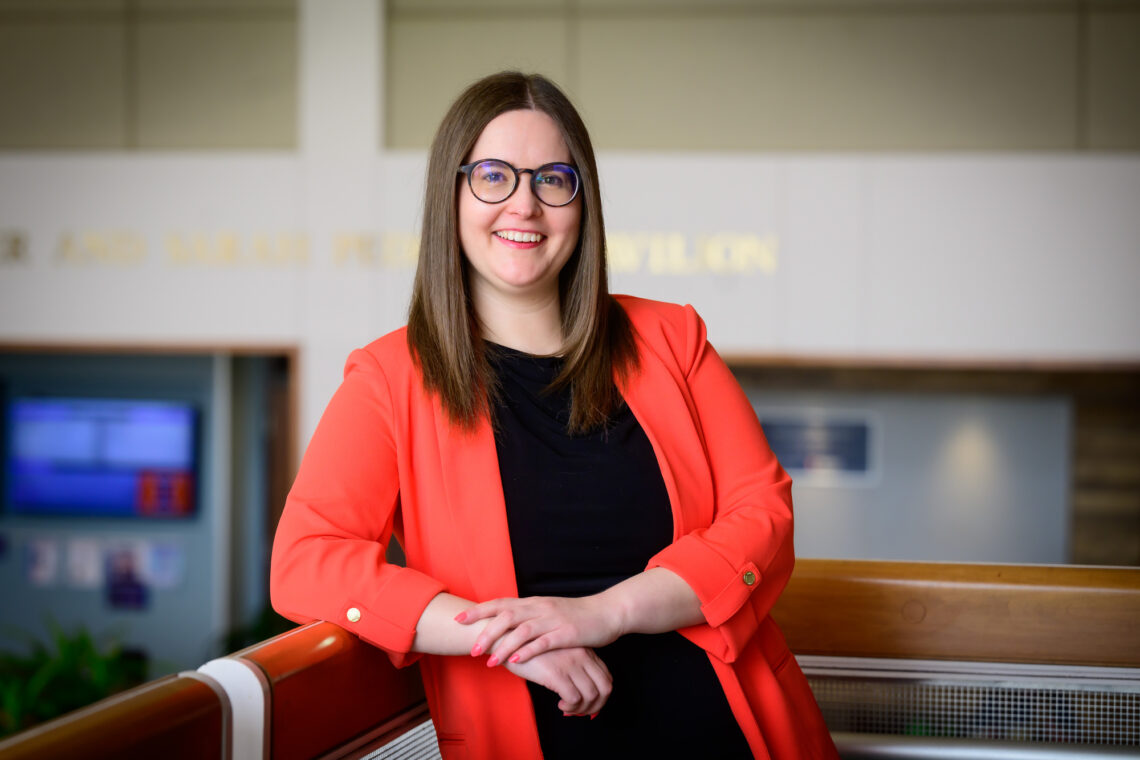
Replacing animal testing for drug trials is promising, but Professor Sara Gerke and her co-authors on a new paper on the subject believe caution is warranted before adopting change. Gerke recently spoke to the Illinois News Bureau about the paper.

“The primary goal of the FDA is to make animal testing the exception in 3-5 years, and a secondary goal is to get drugs to the market faster by reducing research and development costs,” she said. “Those are all worthy and ambitious goals, but it’s hard not to worry about the attendant risks in doing so. We really need to start thinking about how we ought to validate these new approach methodologies so that they’re at least as effective as animal testing.”

Gerke publishes article in AMA Journal of Ethics

As artificial intelligence technology becomes more commonplace, questions about its ethical use are of more salience. In the AMA Journal of Ethics, Professor Sara Gerke examines one area of interest in this field: how ambient listening and transcription technology influences medical doctors’ documentation practices and clinical encounters. In her article, Gerke and her co-author seek to answer questions and provide best-practice recommendations for informed consent processes and patient-clinician relationships.

Sherkow publishes new paper in Stanford Law Review

“Infringement by label” is when a court treats drug labels as if they were patent claims, assessing whether their text merely “contains” a patented method of use, and it is also the subject of the latest scholarly research from Professor Jacob Sherkow. Writing in the Stanford Law Review, Sherkow explains how infringement by label threatens the ability of generic drugs to enter the market and how this creates a lack of clarity in the about patent infringement.

Gerke selected for NSF CAREER Club

Professor Sara Gerke has been selected to participate in the Spring 2026 cohort of the NSF CAREER Club. This campus initiative helps equip faculty with knowledge, resources, and writing support necessary to develop a competitive proposal for the National Science Foundation (NSF) Faculty Early Career Program (CAREER).  As a participant, Gerke will be provided access to information sessions, training and consultation, structured writing groups, peer feedback, reviews by experienced research development staff, and a supportive environment throughout the proposal process, from conception to submission, all at no cost.

Mercury News quotes Sherkow on California’s generic insulin

To help residents with the high cost of insulin, a necessary drug for patients with diabetes, the state of California decided to develop its own generic brand of the medicine. The project will begin distributing “CalRx” insulin to consumers in January, and the San Jose Mercury News spoke to Professor Jacob Sherkow about how this plan is affecting insulin more broadly. The plan, he explained, is putting “downward pressure” on prices across the market.

Rowell co-authors editorial on nuclear regulation

Many recent changes in rules and regulations surrounding nuclear power reactors have been enacted with the goal of expanding the use of nuclear technology, but the shifts also run the risk of overwhelming the Nuclear Regulatory Commission and threatening the industry. In a new editorial published by Nuclear Newswire, Professor Arden Rowell and a team of nuclear engineers from the University of Illinois attempt to answer urgent questions in order “to prevent industry-wide paralysis and ensure that new nuclear power reactors are deployed both safely and efficiently.”

College of Law
504 East Pennsylvania Avenue
Champaign, IL 61820
(217) 333-0931